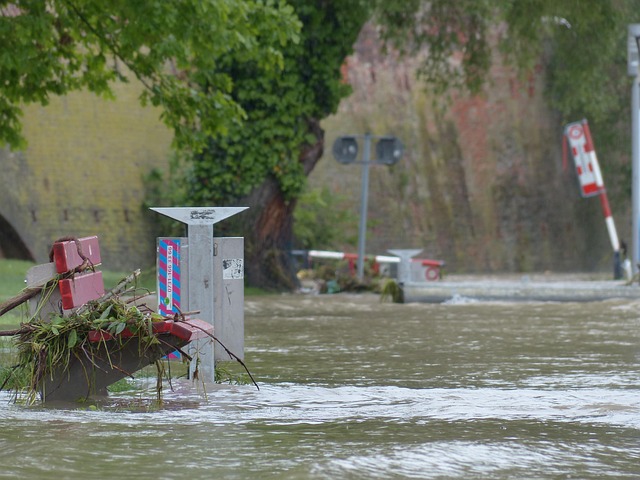
Navigating Atlanta's Flood Damage: Repair & Restoration Strategies
Flood damage repair in commercial settings, especially in Atlanta, GA, requires a strategic approach integrating natural solutions for sustainable rec.......
Read more →
In an era marked by escalating climate variability, extreme weather events have become increasingly frequent and severe worldwide. Among these phenomena, floods pose one of the most devastating natural disasters, leaving a trail of destruction in their wake. As such, flood damage repair has emerged as a critical field, focusing on restoring affected areas and mitigating long-term impacts. This comprehensive article delves into the intricate world of flood damage repair, exploring its various facets, global reach, and transformative potential. By examining historical contexts, economic implications, technological innovations, policy frameworks, and real-world case studies, we aim to provide an authoritative guide to this essential domain.
Definition: Flood damage repair encompasses the multifaceted process of assessing, restoring, and revitalizing areas impacted by flooding. It involves a coordinated effort between emergency responders, engineers, architects, urban planners, and community organizations to mitigate physical damage, restore infrastructure, and revive affected ecosystems.
Core Components:
Historical Context: The concept of flood damage repair has evolved over centuries, shaped by historical events and technological advancements. From ancient civilizations' traditional methods of flood control to modern engineering marvels, the field has progressed significantly. For instance, the Dutch, renowned for their expertise in water management, have contributed substantial knowledge to global flood mitigation practices.
Flood damage repair transcends geographical boundaries, with every region facing unique challenges and adopting tailored strategies. Here’s a glimpse into the global landscape:
| Region | Challenges | Adoption of Innovative Solutions |
|---|---|---|
| North America | Frequent riverine floods in the U.S. Midwest and coastal storms along the East Coast. | Early warning systems, such as NOAA's National Weather Service, provide crucial lead time for evacuations. Advanced pumping technologies, like high-efficiency pumps, minimize damage. |
| Europe | The UK experiences intense coastal flooding, while Central European countries face riverine floods. | The EU's Floods Directive promotes coordinated disaster management and early warning systems across member states. Adaptive structures like movable flood barriers offer protection against rising sea levels. |
| Asia | China grapples with the world’s most significant riverine flooding events, while South Asia faces annual monsoon-related disasters. | China has invested heavily in large-scale flood control projects, including massive reservoirs and diversion channels. India is implementing the National Disaster Response Plan, focusing on early warning systems and community preparedness. |
| Africa | The African continent experiences both extreme rainfall and drought-induced floods. | Some countries are adopting traditional water management practices, such as improving drainage systems and reclaiming wetlands, alongside modern technologies for better flood monitoring. |
| Australia & New Zealand | These regions face unique challenges, including periodic droughts followed by intense rainfall events. | They have developed robust disaster management frameworks, emphasizing community education and early action plans to minimize losses. |
Trends Shaping the Future:
The economic implications of flood damage repair are profound, with significant market dynamics and investment patterns emerging worldwide.
Market Dynamics:
Investment Patterns:
Economic Impact:
Technological innovations have revolutionized flood damage repair, enhancing efficiency, accuracy, and resilience.
Key Advancements:
Future Potential:
The legal framework surrounding flood damage repair is intricate, with various policies and regulations guiding practices worldwide.
Global Perspectives:
Key Considerations:
Despite significant progress, flood damage repair faces several challenges and criticisms that require strategic solutions.
Main Issues:
Proposed Solutions:
Exploring successful case studies provides valuable insights into effective flood damage repair practices.
Case Study 1: The Netherlands' Delta Works The Dutch have long been renowned for their mastery of water management, and the Delta Works project exemplifies this. This massive engineering marvel consists of dams, storm surge barriers, and pumping stations designed to protect a significant portion of the Netherlands from sea-level rise and intense storms. Despite its immense cost, the project has successfully minimized flood risks, allowing for extensive coastal development and fostering economic growth in the region.
Case Study 2: Houston's Flood Management Strategies Following devastating floods in 2017, Houston, Texas, implemented a comprehensive flood management plan. This included expanding drainage systems, constructing new reservoirs, and improving emergency response coordination. The city also invested in advanced flood modeling to better predict and prepare for future events, demonstrating a multi-faceted approach to damage reduction.
Case Study 3: Community-Driven Flood Resilience in Bangladesh Bangladesh, highly vulnerable to flooding, has adopted innovative CBDRR strategies. Local communities have formed 'Flood Preparedness Committees' to raise awareness, conduct regular drills, and maintain early warning systems. This bottom-up approach, combined with government support, has significantly reduced loss of life and property during recent flood events.
The field of flood damage repair is poised for significant growth and transformation in the years to come.
Emerging Trends:
Strategic Considerations:
Flood damage repair is more than just a response to natural disasters; it is a catalyst for building resilient communities, economies, and environments. As the world navigates increasing climate variability and urbanization, the field must adapt and evolve. By embracing technological advancements, fostering international cooperation, and empowering local communities, we can minimize the devastating impacts of floods and create more sustainable, prepared, and resilient societies.
Q: How do I know if my property is at risk from flooding? A: Assess your location's flood history, consult local planning authorities, and use online mapping tools to determine flood zones. Consider hiring professional assessments for detailed insights.
Q: What are some basic steps to prepare for a potential flood? A: Create an emergency kit, establish evacuation routes, secure important documents, raise or protect essential appliances, and ensure adequate insurance coverage.
Q: Can technology really make a significant difference in flood response? A: Absolutely! Advanced technologies like drones, smart sensors, and data analytics enable faster damage assessment, better prediction, and more efficient resource allocation during and after floods.
Q: How can communities contribute to flood resilience efforts? A: Communities play a vital role through participation in disaster preparedness programs, community education initiatives, early warning system monitoring, and supporting local infrastructure development projects.
Q: What are some long-term solutions for preventing flood damage? A: Implementing sustainable urban planning practices, developing resilient infrastructure, investing in early warning systems, and adopting climate change adaptation strategies are key to minimizing long-term impacts.