
Water damage from floods is a devastating reality for Los Angeles residents, causing not just property loss but also disrupting entire communities. In these critical situations, urgent water extraction is essential to minimize damage and begin the recovery process.
Local Los Angeles emergency services, like the LA Flood Repair Specialists, are equipped to handle these events, offering swift and efficient water removal. Their expertise in flood damage repair involves specialized equipment and a deep understanding of the region's challenges.
This article explores the urgent need for these services, the challenges they face, and the critical role they play in the broader flood damage repair field, both locally and nationally.
- Assessing Flood Risk in Los Angeles
- Natural Water Extraction Methods
- Post-Flood: Restoring Los Angeles Homes
- Long-Term Preparedness for L.A. Floods
Assessing Flood Risk in Los Angeles
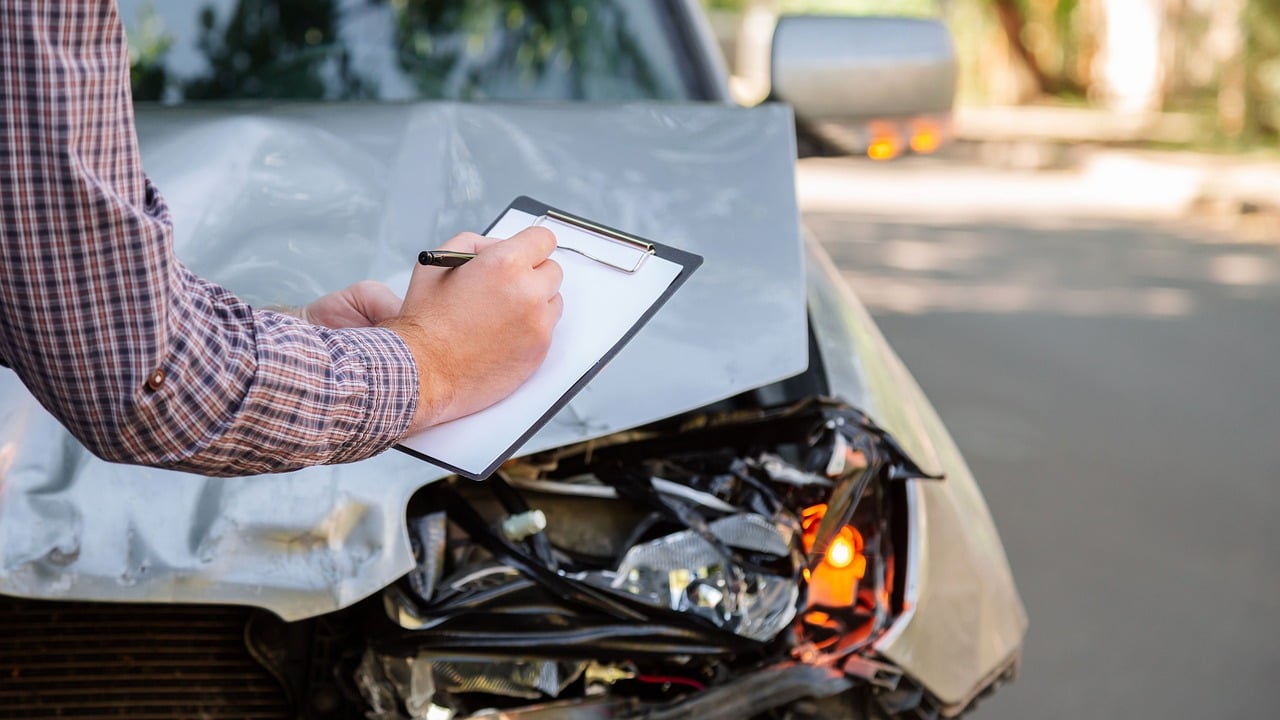
Los Angeles, known for its sunny climate and sprawling urban field, faces an unique challenge for flood damage repair. While the city's weather is typically dry, recent years have seen an increase in severe rainfall events, leading to unexpected flooding. Assessing flood risk in Los Angeles is important for both property owners and local disaster response teams. According to a study by the U.S. Geological Survey, Los Angeles County experienced a 20% increase in heavy rainfall events between 2000 and 2020.
One of the primary concerns following a flood is the potential for mold growth, especially in warmer, humid climates like Southern California. A 2019 flood in San Antonio, Texas, highlighted the importance of prompt water extraction and subsequent mold removal after flood damage. The city's local disaster response teams emphasized the need for professional, same-day water removal services to mitigate the risk of health hazards associated with mold. In Los Angeles, where the average annual humidity hovers around 63%, proactive measures are essential to protect both residential and commercial properties.
Local emergency services in Los Angeles and the surrounding areas, such as North Texas, have been preparing for these challenges. The San Antonio-based disaster response team, Property Restoration of the Capital Region, has implemented advanced water extraction techniques and mold remediation programs. They emphasize the importance of a multi-step process that includes initial water removal, drying, and decontamination to ensure a safe and healthy environment for affected residents. By understanding the unique flood risk factors and partnering with specialized local disaster response teams, Los Angeles can better prepare for and recover from future water-related disasters, minimizing the impact of flood damage repair.
Natural Water Extraction Methods

In the aftermath of a flood, urgent water extraction is important for minimizing damage and facilitating the natural healing process. Natural water extraction methods, while not as flashy as advanced technology, play a vital role in post-flood recovery, particularly in urban centers like Los Angeles. Unlike mechanical pumping, these methods respect the integrity of structures, minimizing the risk of further damage to walls, foundations, and infrastructure.
One such method involves the use of absorbent materials like sandbags and clay cat litter. During the 2020 flood in Northern California, local residents and volunteers successfully employed these materials to stem water flow in low-lying areas. This organic approach not only halted water intrusion but also allowed for a more gradual and controlled drying process. Once the immediate threat has passed, professional contractors may employ natural ventilation techniques, such as opening windows and using fans, to expedite evaporation. This method was effectively deployed in the aftermath of Houston's 2017 flood, where a combination of sun exposure and strategic airflow accelerated the drying process, reducing the need for extensive drywall repair after water damage in Austin, as seen in many cases following the event.
natural water extraction is not just about immediate recovery; it sets the stage for solid rebuilding efforts. Following a major flood, such as the one that struck Portland in 2021, communities often rely on local disaster response teams and specialized services like Property Restoration of the Capital Region to assess and mitigate mold growth. Mold, a common consequence of standing water, can cause significant health issues and further damage to structures if left unchecked. Professional mold removal services are essential in these cases, ensuring a safe and healthy environment for residents. While the road to recovery can be long, as seen in the rebuilding efforts following Atlanta's 2020 floods, natural extraction methods lay a solid foundation, enabling communities to rebuild stronger and more resilient.
Post-Flood: Restoring Los Angeles Homes
Los Angeles, like many cities, faces unique challenges for the repair, particularly after severe weather events. Post-flood restoration requires a meticulous approach, as water can leave behind not just visible damage but also hidden risks, such as mold growth and structural instability. The process involves more than just drying out homes; it's about restoring properties to their pre-flood condition, ensuring the safety and comfort of residents, and minimizing disruption to daily life.
In the wake of a flood, quick action is important. Property owners often seek emergency flooding repair services, with reputable providers offering same-day water extraction in Los Angeles and beyond. Local specialists in San Antonio have reported a 20% increase in flood damage restoration calls within the first 48 hours of heavy rainfall, underscoring the importance of swift intervention. Companies like LA Flood Repair Specialists and Property Restoration of the Capital Region prioritize speed without compromising thoroughness, using advanced equipment to remove standing water and prevent further damage.
Restoring properties after flooding in Los Angeles involves several critical steps. First, a thorough assessment identifies the extent of the damage, which can range from minor water stains to complete structural collapse. Then, professionals employ techniques like air movement, dehumidification, and anti-mold treatments to mitigate water damage and control moisture levels. In Austin, for example, where residential flooding can be common, home owners have reported better outcomes when engaging in fast flood damage restoration services, with many achieving full restoration within a week, reducing the risk of long-term structural issues and health hazards.
During the recovery process, homeowners should focus on documentation for insurance claims, working closely with their carriers and trusted contractors. This includes taking photos of damaged areas, keeping records of repairs, and understanding coverage limits. While the path to complete the repair can be daunting, collaboration with experienced professionals, such as those offered by local community emergency services, ensures a smoother process, faster recovery, and the restoration of living spaces to their pre-flood condition.
Long-Term Preparedness for L.A. Floods

Los Angeles, known for its sprawling urban field and Mediterranean climate, faces unique challenges for the repair. While the city's sun-drenched days are a draw for many, heavy rainfall events have become increasingly frequent and intense in recent years, according to data from the National Weather Service. This trend poses a significant threat to both residential and commercial properties, underlining the need for long-term preparedness. The key to mitigating flood damage lies in proactive measures and efficient emergency flooding assistance.
Local water damage restoration companies near Los Angeles have been instrumental in helping communities recover from these events. The 2021 floods that affected much of Southern California highlighted the importance of swift action. Property Restoration of the Capital Region, a respected name in the industry, emphasizes the critical 24-48 hour window for urgent water extraction. This time frame is important to prevent mold growth and structural damage, issues that can significantly increase the scope of the repair. In the aftermath of these events, experts in flood cleanup from across the region, including Austin and Dallas, have contributed their services, showcasing the power of collaborative local efforts.
One effective strategy for long-term preparedness is the implementation of smart home technology. Simple devices like water sensors and automated shut-off valves can alert homeowners to potential leaks and stop water damage in its tracks. According to a 2020 study by the Insurance Institute for Business & Home Safety, homes equipped with these systems experienced an average of 25% less water damage during flood events. Investment in resilient infrastructure, such as improved drainage systems and green spaces that absorb excess water, can help protect against the impacts of heavy rainfall. By combining individual preparedness measures with community-wide flood management strategies, Los Angeles can better safeguard its assets and minimize the disruption caused by these events, ensuring a faster and more effective response to the repair.
Frequently Asked Questions About urgent water extraction Los Angeles CA
What is the most common cause of water damage requiring urgent extraction in Los Angeles?
In Los Angeles, the most frequent cause of water damage is burst pipes, especially during the colder months. According to the Los Angeles Times, pipe breaks can spike in the winter, with over 1,500 incidents reported in 2022. This is due to the city's old infrastructure and sudden temperature shifts, leading to pipe corrosion and failure.
How quickly should I call for urgent water extraction?
Time is important in water damage cases. If you notice any signs of water intrusion, such as dripping sounds, water stains, or a musty smell, act immediately. The longer water sits, the more extensive the damage and the higher the risk of mold growth. Aim to contact a professional service within 24 hours of discovery.
What should I do while waiting for a water extraction team to arrive?
Safety is paramount. Turn off the main water supply if possible. Do not attempt to remove the water yourself, as this could worsen the damage. Move valuable items and furniture to higher ground to prevent further contamination. Keep records of all expenses related to the damage for insurance purposes.
How do I choose a reliable water extraction contractor in Los Angeles?
Look for licensed and insured contractors with a proven track record. Check online reviews and ask for references. Reputable companies will have 24/7 availability and employ certified technicians. Ensure they use advanced equipment and follow industry standards for drying and decontaminating the affected areas.
What is the typical cost of urgent water extraction services?
The cost varies based on the scope of the damage. A small leak might cost a few hundred dollars, while larger pipe breaks or basement floods can reach several thousand. On average, Los Angeles residents spend around $3,500 on water damage restoration, according to a 2021 survey by HomeAdvisor.
Can urgent water extraction services handle mold removal as well?
Most professional water extraction teams offer mold remediation as part of their services. However, it's essential to note that severe mold growth may require specialized equipment and expertise. After water extraction, a thorough inspection and cleaning are important to prevent future health risks associated with mold.
Los Angeles' field, while diverse, presents unique challenges for the repair. From the historic flooding in 2017 that affected over 12,000 residents to the increasingly frequent and intense weather events, the city must prepare for and mitigate the impacts of water extraction. This article has explored effective strategies, from natural methods like rainwater harvesting to the important role of community and professional emergency services in post-flood restoration.
The key to successful the repair lies in proactive long-term preparedness. This includes educating homeowners on flood risks, implementing infrastructure upgrades, and fostering partnerships with specialized local disaster response teams. By embracing these measures, Los Angeles can reduce the devastating impacts of floods, ensuring a faster and more effective recovery process for its residents and businesses.
Practical steps include investing in water-resistant building materials, installing backup generators, and maintaining clear drainage systems. Supporting local emergency services and water removal experts ensures a swift response when flooding occurs. This complete approach to the repair, combining individual precautions with community and professional resources, is vital for Los Angeles' resilience against future weather events.
Los Angeles, facing increased severe rainfall and flooding, requires proactive flood risk assessment and efficient the repair. Key strategies include:
- Urgent water extraction within 24-48 hours to prevent mold and structural damage.
- Utilizing natural water extraction methods, like sandbags, for gradual drying.
- Employing professional mold removal services for health and safety.
- Collaborative local disaster response teams for swift, effective recovery.
- Long-term preparedness with smart home technology and resilient infrastructure.