
Flooding in your home or property is a devastating experience, requiring immediate attention and expert solutions. The financial and emotional toll of flood damage repair can be significant, yet understanding the process and available resources is important for a swift recovery. This article examines into the world of home flooding solutions, focusing on effective and efficient strategies for managing and repairing the aftermath.
The problem of flooding is widespread, affecting neighborhoods and communities across the nation. From Portland to Houston, each region faces unique challenges. Local flood repair companies and community emergency services play a vital role in mitigating these issues. By understanding the local specialists and their expertise, homeowners can access swift and tailored flood damage repair solutions.
We'll explore how specialized teams, like the Seattle Emergency Response Team or the Rhode Island Flood Cleanup crew, provide 24/7 water extraction and emergency disaster services. These professionals employ advanced techniques and equipment to ensure the fastest possible restoration, minimizing the impact of flooding on your life.
- Assess Your Home's Flood Risk
- Prepare for Rapid Water Infiltration
- Implement Active Water Barriers
- Dry Out and Restore Your Property
- Prevent Future Flooding Naturally
- Efficient Flood Damage Repair Tips
Assess Your Home's Flood Risk
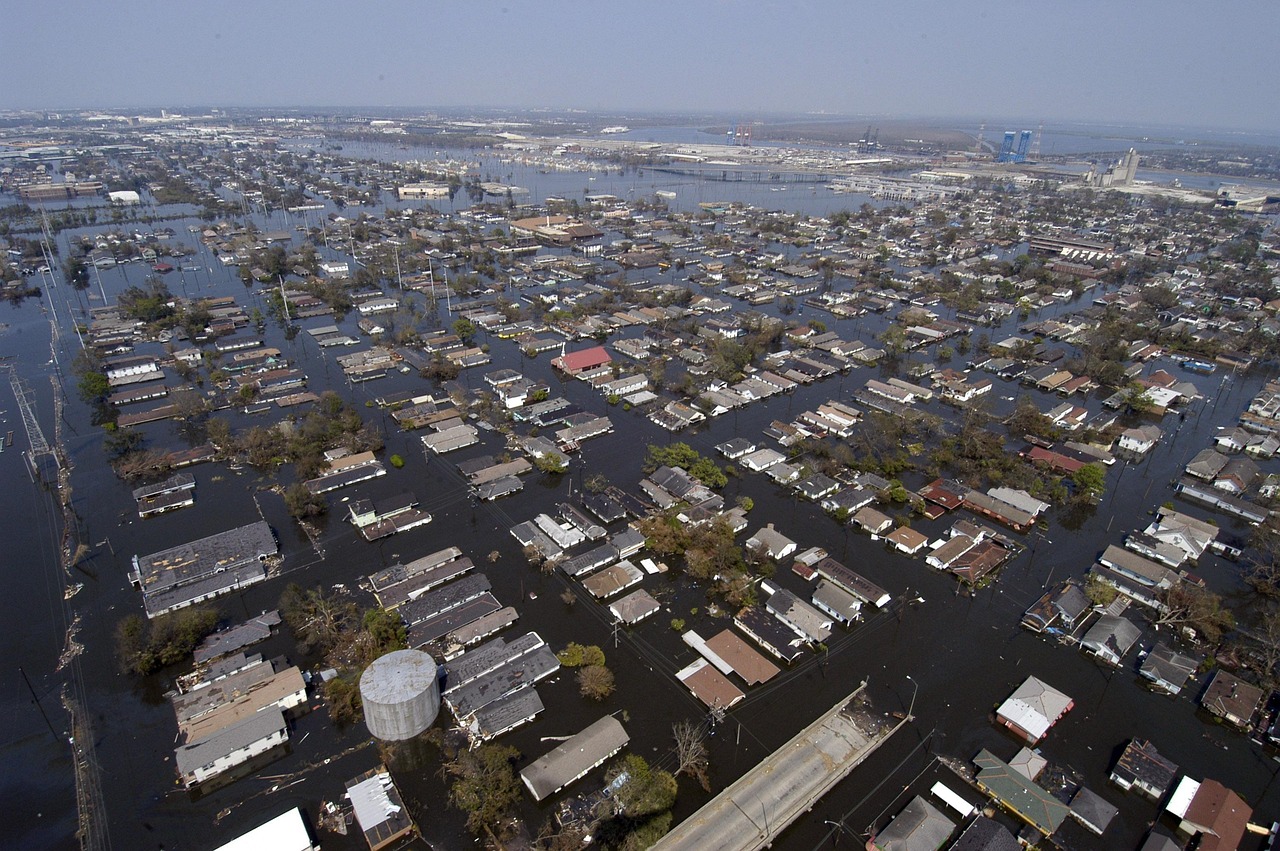
Assessing the flood risk of your home is an important first step in preparing for and recovering from potential water damage. This process involves understanding your property's vulnerability to flooding, given its location, surrounding environment, and historical data. Houston residents living in areas prone to hurricane-related flooding should consider the likelihood of storm surges and the city's flood control infrastructure. Similarly, Austin homeowners concerned about long-term flood risks can look at the city's historical flood records and the availability of professional mold removal services.
The United States Geological Survey (USGS) provides valuable data on floodplains and historical flood events, helping you gauge the potential risks in your region. In Texas, for example, over 90% of the state has been designated as a floodplain, indicating a high risk for many properties. This data, combined with local knowledge, allows you to identify areas more susceptible to flooding. In DFW, restoration services for flooded homes are readily available, but proactive measures and understanding the local flood patterns can significantly reduce damage.
Property Restoration of the Capital Region, a local expert in flood damage repair, emphasizes the importance of community preparedness. They offer tailored flood recovery tips, from emergency water extraction to mold prevention, based on the specific needs of each home. By assessing your home's flood risk, you can make informed decisions about insurance coverage, develop an emergency plan, and ensure that professional restoration services are readily accessible when needed. This proactive approach can lead to more effective flood recovery, minimizing the impact on your property and peace of mind.
Prepare for Rapid Water Infiltration

Rapid water infiltration can turn a minor leak into a severe flood, causing extensive damage to your home. To prepare for such events, it's important to implement preventive measures. Start by ensuring your home's plumbing system is up to date, with modern fixtures designed to limit water flow. Regularly inspect for leaks, addressing any issues promptly. Consider installing smart water sensors that can detect even the tiniest drips and alert you before they turn into a bigger problem.
In areas prone to flooding, like Dallas, where sudden heavy rains are not uncommon, proactive steps are vital. Local flood recovery experts recommend reinforcing your home's exterior against water intrusion. This includes sealing gaps around windows and doors, reinforcing garage doors, and installing storm shutters. Raising essential appliances and furniture off the floor can mitigate damage. In San Antonio, after the 2022 flooding event, many homeowners turned to professional mold removal services due to the extensive water damage; a timely response is key to preventing mold growth.
When flooding occurs, immediate action is necessary. Turn off the main water supply to prevent further water infiltration. Contact a reputable water extraction and restoration company, such as those in Houston, to assess and mitigate the damage. Property Restoration of the Capital Region, for example, offers 24/7 emergency services, deploying specialized equipment to extract water, dry out the affected areas, and prevent mold growth. These companies employ advanced technology, like industrial dehumidifiers and air movers, to expedite the restoration process. Prompt action not only saves your belongings but also ensures your home's structural integrity, minimizing the risk of long-term damage.
Implement Active Water Barriers
When facing the aftermath of a flood, one of the most effective strategies for the repair involves active water barriers. These specialized systems are designed to halt water intrusion and prevent further damage to homes, a critical step in the rebuilding process, such as the efforts following severe flooding in San Antonio. Unlike traditional methods relying on physical barriers like sandbags, active water barriers use mechanical means to create a continuous seal around a structure, making them ideal for complex or high-risk flooding scenarios.
in Houston, where frequent flooding has driven the need for solid solutions, active water barriers have proven invaluable. These systems are deployed by professionals to safeguard homes and businesses, enabling quicker response times and more effective flood mitigation. Once activated, the barriers can stop water flow in its tracks, protecting against rising water levels and minimizing secondary damage from moisture. This proactive approach not only aids in dry wall repair after water damage in Austin but also significantly reduces the scope of restoration work required in the aftermath.
Implementing active water barriers requires expert knowledge and specialized equipment, such as those offered by local emergency response teams and community specialists. Property Restoration of the Capital Region, for example, has been instrumental in providing these services, ensuring that residents receive swift and effective the repair. While the initial setup may be more expensive than traditional methods, the long-term benefits in terms of reduced property loss and faster rebuilding efforts make it a strategic choice for both homeowners and businesses. This technology is particularly important in high-risk areas, where regular flooding events necessitate more durable and dynamic solutions for flood protection.
Dry Out and Restore Your Property

When your home suffers from water damage due to flooding, a swift and thorough restoration process is important. The first step in restoring your property is to dry out the affected areas. This involves removing standing water and addressing moisture levels to prevent mold growth and further structural damage. Water damage repair specialists, like those found in Houston, employ advanced equipment to extract water efficiently, ensuring your home's safety and health.
In severe flooding events, such as those that occurred in San Antonio, homes may require extensive restoration. The process includes not only water removal but also deodorization, structural drying, and, in some cases, mold removal. Professional mold removal services, as offered by Property Restoration of the Capital Region, are vital to mitigate health risks associated with mold exposure. Mold can spread rapidly, so prompt action is essential. According to the Environmental Protection Agency (EPA), mold can be present where there is water damage, and it's recommended to begin restoration within 24-48 hours to avoid potential health complications.
The complexity of the repair varies based on the extent of flooding and the property's age. In Austin, for instance, homes built closer to the river or in low-lying areas may require more intensive restoration. Local professionals are equipped to handle these challenges, using specialized equipment and techniques tailored to the region. 24/7 flood services in Denver employ advanced moisture meters and dehumidifiers to ensure thorough drying, reducing the risk of future structural damage. This data-driven approach ensures that each step of the restoration process is effective and efficient.
After initial water removal, restoring homes involves a multi-step process. It includes cleaning and disinfecting surfaces, repairing or replacing damaged items, and re-insulating and sealing areas to prevent future infiltration. Local emergency response teams, like those in Portland Maine and Los Angeles, offer comprehensive flood restoration services, providing peace of mind during challenging times. By following these structured steps, homeowners can expect their properties to return to pre-flood condition, minimizing the long-term impact of water damage.
Prevent Future Flooding Naturally
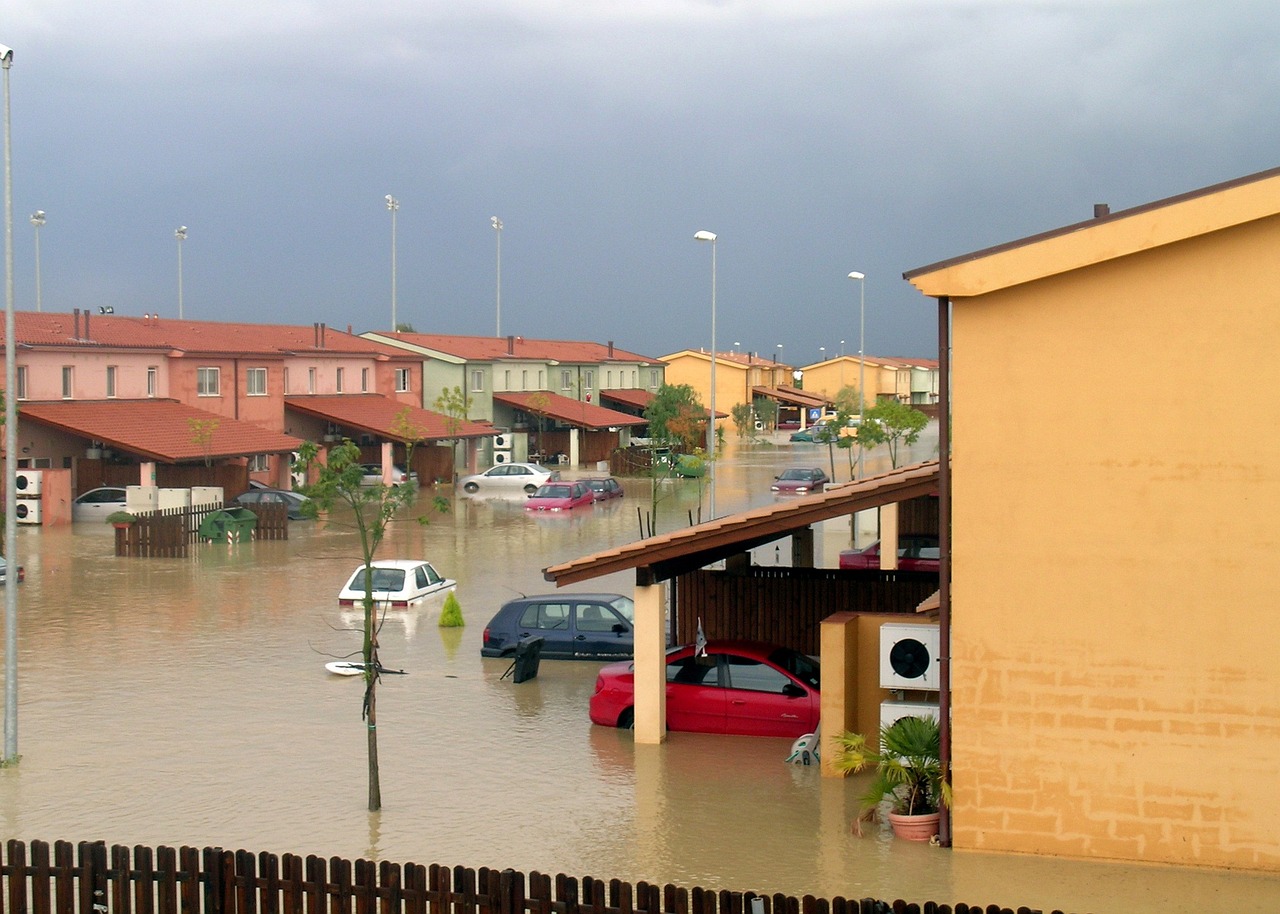
When aiming to prevent future flooding naturally and restore your San Antonio home after severe flooding, the first step is understanding the root causes. Local flood cleanup professionals in San Antonio, like those at Property Restoration of the Capital Region, often encounter similar challenges: heavy rainfall, inadequate drainage, and urban development that alters natural water flows. The city's growing population has led to increased concrete and asphalt surfaces, which don't absorb water as effectively as vegetation, contributing to flash flooding.
To mitigate these issues naturally, consider a multi-faceted approach. Planting native, deep-rooted trees and shrubs can help absorb excess water and prevent runoff. The city's Parks and Recreation department has successfully implemented green infrastructure projects, such as bioswales and rain gardens, which have shown promising results in managing stormwater. Homeowners can install rain barrels to collect and reuse water, reducing the strain on municipal drainage systems. These local flood cleanup professionals also recommend regular inspections and maintenance of your property's drainage systems, including downspout extensions to direct water away from your foundation.
Mold removal after flood San Antonio is a critical step in restoring homes, as standing water creates ideal conditions for mold growth. To prevent this, it's essential to dry out affected areas promptly. The US Environmental Protection Agency (EPA) recommends using a dehumidifier or air conditioner to lower humidity levels. Property Restoration of the Capital Region, for instance, uses advanced drying technology to ensure thorough and efficient dehydration. By addressing both the repair naturally and mold prevention, San Antonio residents can significantly reduce the risks associated with severe flooding, ensuring their homes are better prepared for the future.
Efficient Flood Damage Repair Tips

When dealing with a flooded basement, fast action is important to minimize damage and prevent long-term issues. Efficient the repair starts with a thorough assessment. Local professionals like Property Restoration of the Capital Region recommend evaluating the extent of the water intrusion, identifying the source, and understanding the type of material affected. In Austin, TX, where flooding is a regular occurrence, the same steps apply, with specialized services like Property Restoration offering same-day water extraction and drying solutions.
Once the initial assessment is complete, the focus shifts to quick and effective cleanup. The first 24-48 hours are critical for preventing mold growth and structural damage. Professionals use advanced equipment, such as high-efficiency particulate air (HEPA) vacuums, to remove standing water and contaminated debris. In Houston, a team of experienced the repair specialists can complete this process in as little as one day, thanks to their advanced tools and efficient workflows. This swift action not only restores your home but also safeguards your health and financial well-being.
After the initial cleanup, a more detailed restoration process begins. This includes sanitizing affected areas, replacing damaged items, and reinforcing structures to prevent future water intrusion. In Portland, Maine, local flood restoration experts employ advanced dehumidification techniques to ensure the property is fully dried and safe. They also provide expert advice on structural repairs and water-resistant materials to enhance the building's resilience against future floods. This complete approach ensures your home is not just restored but made safer and more durable against similar events.
Professional the repair services, such as those offered by teams in Houston and Austin, are equipped to handle both residential and commercial properties. They adhere to strict protocols and industry standards, ensuring a thorough and efficient restoration process. By partnering with local specialists, you gain access to specialized knowledge and resources tailored to your region's specific flooding challenges. This collaborative approach not only speeds up recovery but also ensures your property is restored to its pre-flood condition, if not better.
Frequently Asked Questions About home flooding solutions nearby
What are the most common causes of home flooding in [City/Region]? Home flooding can stem from a variety of sources, with the most prevalent being heavy rainfall exceeding local drainage capacities, aging or faulty plumbing, sewer line breaks, and storm surge in coastal areas. In [City/Region], specific issues like aging infrastructure and dense urban development contribute to water runoff problems, making certain neighborhoods more susceptible during extreme weather events.
How quickly should I contact a professional for flooding assistance? As soon as possible. Prompt action is important to minimize damage and prevent further complications. Delays can lead to more extensive water intrusion, structural damage, and even health risks from mold growth. Many local services offer 24/7 emergency response, ensuring quick arrival times.
What steps should I take before hiring a flooding remediation company? First, ensure the company is licensed, bonded, and insured to handle flooding situations. Check online reviews and ask for references. Also, verify their expertise in your specific type of flooding (e.g., basement, sewer, or storm surge) and inquire about their response time guarantees and post-work inspections.
Are there cost-effective preventive measures I can take to avoid future flooding? Absolutely. Installing water-resistant barriers, improving drainage around your property, and reinforcing older pipes can significantly reduce flooding risks. Regular maintenance, such as clearing gutters and downspouts, also helps. The [Local Government Agency] offers grants and low-interest loans for homeowners implementing flood mitigation measures.
How do I know if my home insurance covers flooding damage? Review your policy or contact your insurance provider. Standard home insurance policies typically do not cover flooding damage, but you may have coverage under a separate flood insurance policy or through the National Flood Insurance Program (NFIP). Understanding your coverage is essential for effective financial planning.
What should I do with contaminated water after a flooding event? Do not touch or drink the water without proper protection. It can contain harmful bacteria, chemicals, and debris. Contact a professional water mitigation service to assess and sanitize the affected area. Following their advice, you may need to discard contaminated items, disinfect surfaces, and dry out the space thoroughly to prevent health risks.
Who can I contact for emergency flood assistance in [City/Region]? The [City Emergency Services] coordinates flood response efforts, including dispatching emergency teams, setting up evacuation centers, and providing critical information. They can be reached at [Phone Number] or through the [City's Official Website]. Local volunteer groups and community organizations often offer assistance during and after flooding events.
After assessing your home's flood risk, preparing for rapid water infiltration, and implementing active water barriers, you're well-equipped to handle minor flooding incidents. However, for more severe cases, understanding the importance of efficient the repair naturally becomes paramount. This involves promptly seeking professional help from local flood repair specialists, such as those in Seattle Emergency Response Team or LA Flood Repair Specialists, who can swiftly dry out and restore your property.
Preventing future flooding naturally is a cost-effective and eco-friendly approach. This includes implementing field features like raised garden beds and bioswales, which help absorb excess water. Ensuring your home's drainage systems are clear and functioning properly can significantly reduce the risk of water infiltration.
Portland 24/7 Water Extraction and Providence Emergency Services offer specialized services that not only minimize damage but also help businesses maintain continuity. By following these strategies, you can protect your home and community from the devastating impacts of flooding, ensuring a safer, more resilient environment.
The repair: From Assessment to Restoration
Prepare for floods by understanding your home's vulnerability based on location, environment, and historical data. Implement preventive measures like modern plumbing, regular leak checks, and smart water sensors. In high-risk areas, reinforce exterior against water intrusion. Act swiftly after flooding: turn off water supply, contact professionals for water extraction, and deploy advanced drying technology. Proactive community preparedness, insurance planning, and emergency response are key to effective the repair.