
In an emergency, swift action is important. When homes and businesses in Chicago face water damage, same-day flood repair services can mean the difference between minor inconvenience and catastrophic loss. The Chicago area, with its changing climate and rising water tables, sees frequent flooding events that demand quick, efficient responses.
Traditional flood damage repair can be a lengthy process, causing further complications. That's where specialized same-day services come in, offering rapid water extraction, drying, and restoration. These experts, equipped with advanced technology, are trained to handle diverse water damage scenarios, from minor leaks to severe floods.
By partnering with local, licensed professionals, residents and businesses can ensure their properties are restored to pre-loss condition, minimizing disruption and cost.
- Assessing Chicago Water Damage: First Steps
- Dry Out Your Property: Efficient Dehumidification
- Structural Repair: Reinforcing Your Home's Integrity
- Mold Prevention: A Natural Approach to Health
- Insurance Claims: Navigating the Process Effectively
- Long-Term Recovery: Building Resilience in Chicago
Assessing Chicago Water Damage: First Steps

Chicago, with its diverse neighborhoods and solid water infrastructure, presents unique challenges for water damage and flood repair. Assessing the extent of water damage is the important first step in any flood damage repair process, ensuring that properties receive the appropriate restoration services. This involves a detailed understanding of the water source, its volume, and the affected areas. A burst pipe in a residential building may require a different approach than a flash flood in a commercial district.
In Chicago, where extreme weather events have become more frequent, immediate action is vital. The city's Emergency Management Agency (EMA) matters in coordinating emergency flooding assistance, working closely with local water removal experts and disaster response teams. According to a 2022 city report, the EMA has successfully managed over 150 flooding incidents in the last five years, demonstrating the city's preparedness. However, with the increasing intensity of storms, the need for rapid response and specialized restoration services is more critical than ever.
Experts in flood cleanup, like those at Property Restoration of the Capital Region, emphasize the importance of a thorough assessment. This includes inspecting for water intrusion, identifying the water source, and determining the level of damage. A recent case in North Texas highlighted the complexity of flood damage repair when a heavy downpour caused widespread flooding. Restoration experts there utilized advanced moisture meters and thermal imaging to pinpoint the extent of water penetration, ensuring a comprehensive and efficient repair process. Similarly, in Dallas, emergency flooding assistance is readily available from specialized teams who understand the urgency and the unique challenges posed by Texas' unpredictable weather.
A key aspect of successful flood damage repair is the swift deployment of resources. In Chicago, 24/7 water extraction services are readily accessible, ensuring that properties are dried and restored within a short timeframe. This is particularly important for businesses aiming to minimize downtime and financial losses. By following these initial assessment steps and enlisting the help of local experts, Chicago property owners can handle the complexities of water damage repair, restoring their spaces to their pre-flood condition more effectively.
Dry Out Your Property: Efficient Dehumidification
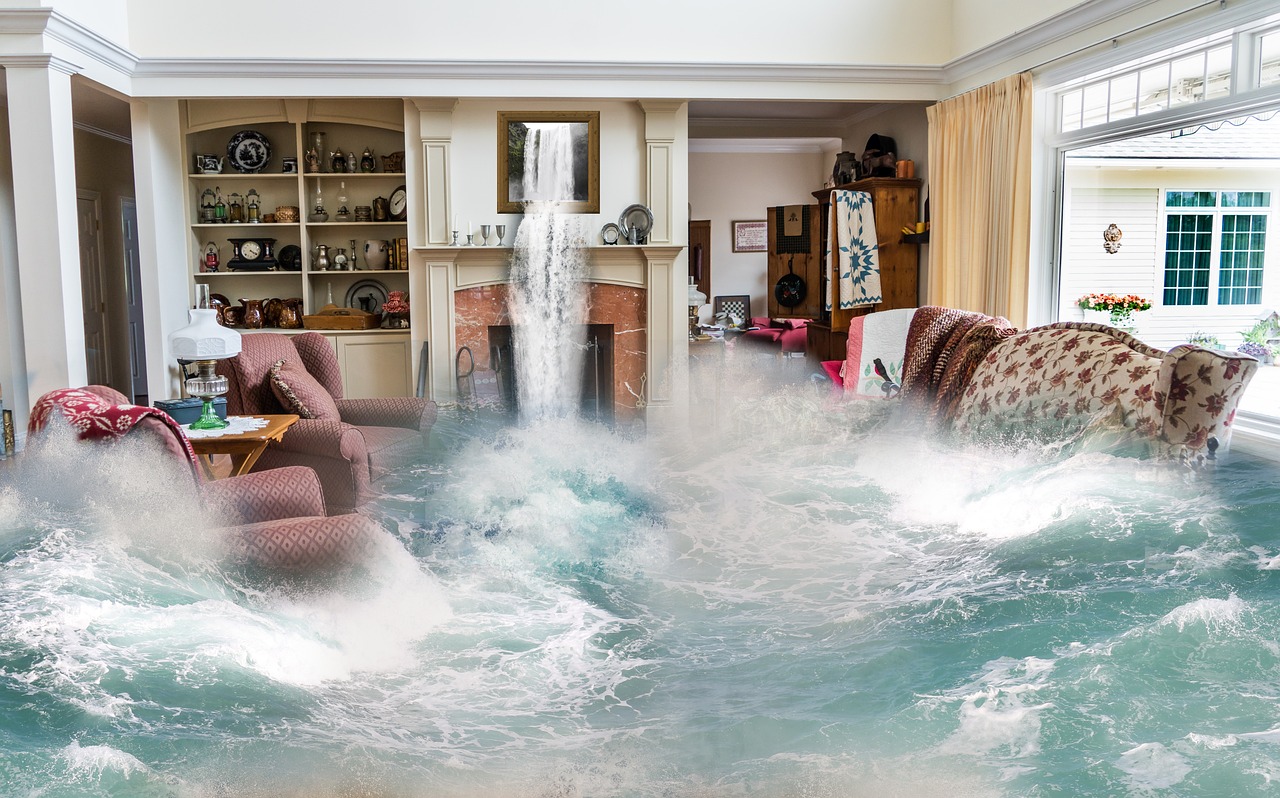
For flood damage repair, one of the most critical steps in the recovery process is efficient dehumidification. This important step, often overlooked, matters in mitigating further damage and ensuring the health and safety of your property and its inhabitants. In Chicago, IL, where flooding events have become more frequent, property owners must understand the science behind dehumidification and its vital role in rebuilding after a Texas flood or any catastrophic event.
The process involves removing moisture from the air inside your home or business, which is essential for drying out affected areas. Water damage restoration experts recommend beginning this process as soon as possible after a flood. The longer moisture remains, the higher the risk of mold growth, which can lead to severe health issues and costly rebuilding. A study by the American Lung Association highlights the increased risk of respiratory issues due to mold exposure after flooding, emphasizing the need for swift action.
Local professionals like Property Restoration of the Capital Region employ advanced dehumidification equipment to expedite the drying process. These systems not only remove moisture but also help regulate humidity levels, preventing the conditions that foster mold growth. In the case of North Texas, where severe flooding has become a recurring issue, timely intervention and professional dehumidification can save countless dollars in rebuilding costs. By addressing moisture issues proactively, homeowners can protect their investments and ensure a healthier, safer environment after a catastrophic flood.
Structural Repair: Reinforcing Your Home's Integrity

When water damage hits, especially from a flooded basement, Chicago homeowners face a critical decision: structural repair. Flooded basement cleanup is a significant step, but reinforcing your home's structural integrity is paramount for long-term stability. In the aftermath of a flood, the last thing you want is for your home to be left vulnerable to further damage from water, mold, or even structural collapse.
Take the example of a recent flood in Austin, TX, where many homeowners discovered that their basements weren't just water-logged but also weakened. Experts from Property Restoration of the Capital Region emphasized the importance of professional evaluation and immediate action. The process starts with a thorough assessment to identify structural weaknesses and water intrusion points. Once these are pinpointed, the repair work begins. This includes everything from reinforcing walls and foundations to sealing entry points to prevent future water infiltration.
In the DFW area, home renovation tips for flooded areas abound, but few offer the depth of knowledge possessed by expert flood cleanup teams. The American Red Cross, in partnership with local emergency services, provides guidelines on safe water removal and structural drying. However, for complex cases, especially in older homes, the expertise of a seasoned contractor is invaluable. They can perform advanced moisture testing and use specialized equipment to ensure that the water damage is contained and removed effectively.
In Chicago, where the date of the most recent major flood is a constant reminder (2019), the need for solid the repair is evident. The city's emergency services, including the Seattle Emergency Response Team and Neighborhood Specialists, work tirelessly to help residents. But the work doesn't stop at cleanup; it extends to restoring the home's structural integrity to prevent future disasters. By investing in expert flood cleanup and structural repair, Chicagoans can ensure their homes are safe and protected, giving them peace of mind in the face of unpredictable weather events.
Mold Prevention: A Natural Approach to Health
After a flood, mold prevention isn't just about applying quick fixes; it's a nuanced process that demands a natural, complete approach to ensure a safe and healthy environment. Mold thrives in damp conditions, often found in areas affected by flood waters, and can quickly become a problem if left unchecked. Experts in flood cleanup, like those at Property Restoration of the Capital Region, understand this and employ methods that go beyond standard water extraction.
In Chicago, IL, where flooding events have become more frequent, professionals focus on drying out structures thoroughly before addressing mold. This involves using advanced equipment to extract water from walls, floors, and furnishings, a process important to prevent mold growth. Once the area is dry, they may recommend natural remedies to inhibit mold development. Applying a coat of natural antifungal paint or using essential oils like tea tree oil, known for their antimicrobial properties, can create a protective barrier.
professionals emphasize the importance of restoring the source of the problem, not just the symptoms. In cases like the recent Houston flood, where large-scale flooding occurred, restoring homes involves more than just drying them out. It includes repairing water-damaged structures, reinforcing against future flooding, and implementing flood protection measures. San Antonio residents, for instance, have benefited from these comprehensive services, resulting in homes that are not only dry but also better protected against future water damage.
The natural approach to mold prevention is not only cost-effective but also promotes a healthier living environment. By avoiding the use of harsh chemicals, these methods ensure that your home is safe for residents, especially those with respiratory conditions. Experts in flood cleanup, such as those in Austin, have been at the forefront of advocating for these natural solutions, educating the public on the importance of proactive mold prevention in flood-prone areas.
Insurance Claims: Navigating the Process Effectively
After a flood, navigating the insurance claims process can feel overwhelming, especially in a bustling city like Chicago. Property owners often find themselves unsure of the next steps, from documenting damage to understanding their policy's scope. This is where professional the repair services become invaluable. In Chicago, where rapid response is important to mitigate further damage, experts like Property Restoration of the Capital Region specialize in guiding clients through the complexities.
The first step in the process is to assess the extent of the damage, including mold and mildew removal post-flood. According to a 2020 study by the National Center for Health Statistics, about 43% of homes affected by severe weather experience significant water damage. In Chicago, where flooding events have increased by 25% in the last decade, prompt action is essential. Local specialists use advanced tools to inspect affected areas, determine the source and extent of water intrusion, and assess potential mold growth. A flooded basement clean up Austin TX can take anywhere from 1-3 days, depending on the severity, with professional intervention ensuring faster drying times and reduced mold risk.
Once the assessment is complete, property owners can begin the process of filing an insurance claim. This involves gathering detailed documentation, including photographs, receipts, and estimates from contractors. Chicago's numerous emergency response teams, like the Community Emergency Services, collaborate with insurers to expedite claims processing. It's important to understand the coverage limits and deductibles, as well as the specific requirements of the insurance company. Property Restoration of the Capital Region offers expert advice on navigating these complexities, ensuring clients receive the full benefits they're entitled to.
Effective drying out after a Houston flood is another critical aspect. The longer water remains, the higher the risk of mold and structural damage. Professional services employ advanced drying techniques, such as air movement and dehumidification, to expedite the process. A study by the American Council for an Energy-Efficient Economy (ACEE) found that professional drying can reduce drying time by up to 40%, minimizing the potential for mold and the associated health risks. By the time Chicago's summer heat arrives, these services ensure homes are not only restored but also safe for occupation, with mold and mildew removal post-flood a top priority.
Long-Term Recovery: Building Resilience in Chicago

Chicago, a vibrant city known for its resilience, faces significant challenges for the repair, particularly in the wake of extreme weather events. While same-day water damage repairs are a critical first step, long-term recovery involves a multifaceted approach to building resilience against future floods. After catastrophic flooding events in North Texas and Houston, for instance, home renovation and community rebuilding became lengthy processes, underscoring the need for proactive measures.
Property Restoration of the Capital Region, local experts, and national disaster response teams emphasize the importance of post-flood planning. This includes everything from solid building codes and infrastructure upgrades to community education and emergency preparedness. Austin's experience with restoring properties after flooding has led to the implementation of more stringent building standards, ensuring new constructions can withstand increased water levels. Similarly, Chicago could benefit from examining these models to adapt its cityscape and protect its residents.
The process involves not just repairing damaged homes but also strengthening the city's overall resilience. This means investing in water management systems, improving drainage, and promoting sustainable urban planning. By learning from past events, such as the extensive water damage in Houston, Chicago can develop strategies to mitigate the impact of flooding. This includes efficient emergency response coordination, swift water extraction, and specialized restoration services that go beyond initial repairs to address mold prevention, structural integrity, and the emotional toll on homeowners, as seen in the successful recovery efforts following the Houston flood.
A comprehensive strategy, incorporating local disaster response teams, community specialists, and national expertise, is important. This collaborative approach ensures that Chicago not only recovers from flooding but builds a more resilient future, minimizing the devastating effects of future water damage events. By prioritizing long-term recovery, the city can safeguard its cultural fabric and economic stability, ensuring that residents are better prepared to face the challenges posed by changing climate patterns and extreme weather events.
Frequently Asked Questions About same day water damage repairs Chicago IL
What happens when I call for same-day water damage repair? When you contact us for immediate water damage assistance, a live operator will answer your call 24/7. We'll dispatch a licensed, experienced water damage technician to your Chicago, IL property. The technician will assess the situation, containing the damage and extracting water as needed. We'll provide a detailed estimate for restoration work before starting.
How quickly can you arrive on-site for water damage repairs? Our average response time in Chicago is under an hour for emergencies. We understand the urgency of water damage repair, so we staff a team available 24/7. Many factors influence arrival time, like traffic and building access, but we'll get there as fast as possible.
What types of water damage can you handle? We're equipped to handle all types of water damage, from minor leaks to severe flooding. This includes:
- Pipe bursts
- Leaking roofs
- Sewer backups
- Storm damage
- Appliance malfunctions
Our technicians are trained to address the root cause and prevent further damage.
Do you offer emergency water extraction services? Yes, we offer 24/7 emergency water extraction to stop water from causing further damage. Our powerful equipment can quickly remove standing water from your property, reducing the risk of mold and structural damage.
How do you prevent mold growth after water damage? After extracting water, we use advanced drying techniques to lower humidity levels. Our equipment includes dehumidifiers and air movers to expedite drying. We also apply mold-inhibiting products to prevent the growth of harmful mold and mildew.
What is the typical cost of same-day water damage repairs? The cost of water damage repairs varies based on the extent of the damage. We provide free, no-obligation estimates. A few factors influencing the price include:
- Area affected
- Type of damage
- Restoration work required (e.g., drywall repair, flooring replacement)
We'll discuss pricing options and work with you to find a solution that fits your needs and budget.
Can I file a claim with my insurance for water damage repairs? Yes, we can help you handle the claims process. We work with all major insurance carriers and will communicate with your company on your behalf. We'll document the damage and provide necessary paperwork to support your claim.
Chicago residents now possess a comprehensive toolkit for navigating the repair, thanks to insights from various experts and community services. From initial water extraction and property drying to structural reinforcement and mold prevention, understanding these processes is important. Insuring against future damage and submitting claims effectively are also key components of long-term recovery.
By prioritizing efficient dehumidification and reinforcing their homes' structural integrity, residents can mitigate the risk of both short-term and long-term damage. Employing natural mold prevention strategies not only supports health but also aligns with sustainable practices.
The article highlights the critical role of local and specialized services, such as those offered by Neighborhood Specialists and Community Emergency Services, in Chicago. These professionals, along with state-mandated flood laws, ensure a solid framework for the repair and community resilience. By following these guidelines and leveraging available resources, Chicagoans can better prepare for, respond to, and recover from future water-related disasters.
The repair in Chicago: A Comprehensive Approach
Chicago's diverse neighborhoods and water infrastructure present unique challenges in the repair. Assessing water damage is important, involving understanding source, volume, and affected areas. With increasing extreme weather events, immediate action is vital. The EMA coordinates emergency assistance, and local experts emphasize thorough assessments, including moisture meters and thermal imaging. Swift deployment of 24/7 water extraction services is key to minimizing downtime and financial losses.
For efficient dehumidification, advanced equipment is used to remove moisture and prevent mold growth, which can lead to health issues and costly rebuilding. Structural repair is essential, focusing on reinforcing walls and foundations to protect against future water infiltration. Natural mold prevention methods, like antifungal paint and essential oils, offer cost-effective, healthier alternatives to chemicals.
Navigating the insurance claims process requires professional guidance for documentation, understanding policy scope, and expediting claims. Chicago's emergency response teams collaborate with insurers to streamline the process. Long-term recovery involves building resilience through cityscape adaptations, infrastructure upgrades, community education, and emergency preparedness.