Flooding in your home or property can be a devastating experience, causing extensive damage and requiring specialized services for effective repair. The need for prompt and professional flood damage repair is critical to mitigating losses and ensuring a safe, livable space. Unfortunately, navigating the process can be overwhelming, with numerous companies and services available, each promising different outcomes. This article guides you through understanding the complex field of local flood repair companies, their expertise, and how to select the best support for your specific needs, ensuring a swift and successful recovery.
- Assessing Flood Damage: What to Look For
- Safe Entry: Protecting Yourself During Cleanup
- Documenting Losses: Insurance Claims for Flood Damage Repair
- Natural Cleaning: Restoring Your Home After Flooding
- Structural Integrity: Repairing or Replacing Damaged Areas
- Preventing Future Floods: Long-Term Solutions for Home Protection
Assessing Flood Damage: What to Look For
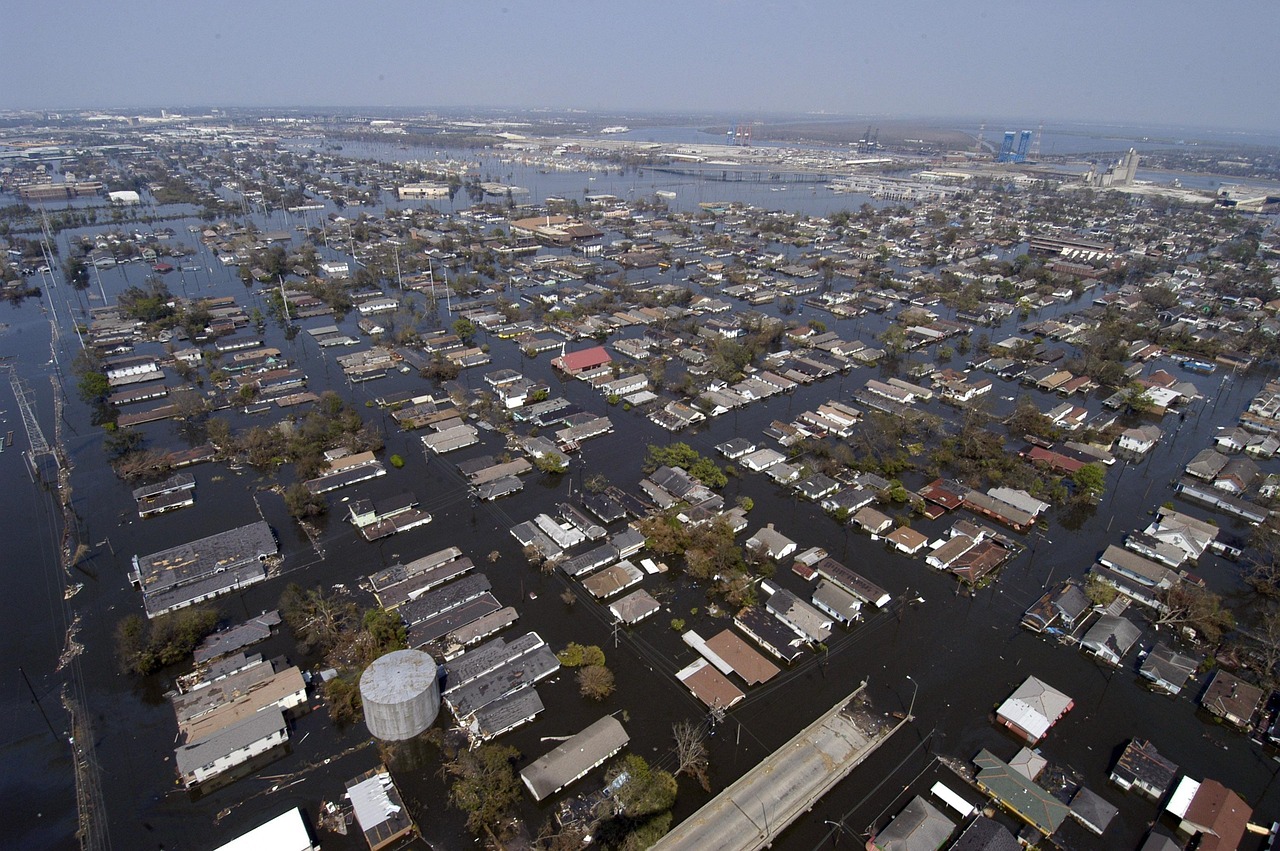
When assessing flood damage, the first step in the rebuilding efforts following a flood, like the one Houston experienced in 2017, is to thoroughly evaluate the property. This involves a meticulous process that goes beyond mere visual inspection. The extent of water intrusion, duration of saturation, and the types of materials affected are critical factors. Wood, drywall, and insulation absorb water differently, and the longer they remain wet, the higher the risk of mold growth and structural degradation.
In Dallas, emergency flooding assistance is often needed to mitigate these risks promptly. Professional contractors skilled in flood damage repair will employ advanced tools to gauge moisture levels behind walls, under flooring, and in crawl spaces. They may use moisture meters or thermal imaging cameras to detect hidden water sources. This is important, as delayed action can lead to significant structural damage and foster the growth of harmful mold. The speed of response is key, as every hour of saturation increases the complexity and cost of repair.
Consider the case of Texas, where recent floods have prompted widespread rebuilding after a flood. Property Restoration of the Capital Region, for instance, emphasizes the importance of a comprehensive assessment. Their experts not only document visible damage but also study the property's history and local flood zone maps to anticipate potential long-term issues. This proactive approach ensures that the rebuilding efforts are not only immediate but also sustainable, minimizing future risks. By understanding the nuances of flood damage repair, residents can better handle the challenges of post-flood recovery.
Safe Entry: Protecting Yourself During Cleanup
When reentering a home after a flood, safety must be your top priority. The process of the repair involves more than just cleaning up water and drying out walls. You're dealing with potentially dangerous situations like mold growth, structural damage, and hazardous materials. A study by the Environmental Protection Agency (EPA) found that after severe flooding, homes in Texas were at a high risk of mold contamination, which can lead to respiratory issues and other health problems if not addressed promptly.
To protect yourself during cleanup, it's important to take precautions. Start by wearing appropriate personal protective equipment (PPE), including waterproof boots, gloves, and a respirator to filter out mold spores. Ensure the power is off to prevent electrical hazards, and check for structural integrity before proceeding. Local disaster response teams, like those from Property Restoration of the Capital Region, are trained to assess and mitigate these risks, and they can guide you on the safe removal of contaminated materials.
Dry out your home thoroughly to prevent long-term damage and further mold growth. The EPA recommends using dehumidifiers and air movers, especially in hard-hit areas like San Antonio, where post-flood moisture levels can be exceptionally high. Regular monitoring and proper ventilation are key to effective drying. A local water extraction service in Portland, Maine, has reported that prompt action and proper drying techniques can reduce the likelihood of mold by up to 70%.
Once the immediate cleanup is complete, consider the long-term health and safety of your home. Mold removal after a flood in San Antonio or anywhere requires specialized equipment and expertise. The cost of home repairs after a Texas flood can vary greatly, depending on the extent of damage. According to a 2020 report by the National Center for Disaster Preparedness, the average cost of the repair in Texas ranges from $20,000 to $40,000. Proper cleanup and restoration can help minimize these costs and ensure your home is a safe and healthy living space once again.
Documenting Losses: Insurance Claims for Flood Damage Repair
For navigating the aftermath of a home flood, one of the most important steps is documenting the losses for insurance claims. This process requires meticulous attention to detail, as it serves as a comprehensive record of the damage sustained. In the chaos following a Texas flood, it's easy to overlook certain items or underestimate the extent of water damage. That's why it's vital to involve experts in flood cleanup, like those offered by Property Restoration of the Capital Region. They can provide not only immediate assistance but also act as your advocate during the claim process.
Experts in water damage restoration near me, often available 24/7, are trained to assess the situation quickly. They'll take detailed notes, take photos of the affected areas, and create a comprehensive inventory of damaged or lost items. In the aftermath of a severe 2019 Texas flood, local emergency services documented over 10,000 claims within a week, emphasizing the importance of efficient and accurate record-keeping. Property Restoration of the Capital Region, for example, can help ensure your claim includes everything from structural damage to personal belongings, minimizing the financial burden and stress associated with the repairs.
The insurance claim process involves submitting a detailed report outlining the damages. This includes providing evidence such as photos and receipts, which can be important in cases where the value of lost or damaged items is in question. A well-documented claim might include a record of a family's furniture, electronics, and clothing, all with associated costs and dates of purchase, ensuring a fair settlement. It's also important to understand your policy's coverage limits and deductibles, which can vary significantly between providers. This knowledge, combined with the expertise of a specialized restoration company, can lead to a smoother and more successful claim resolution, ensuring your home gets the necessary repairs as quickly as possible.
Natural Cleaning: Restoring Your Home After Flooding

After a flood, the last thing on your mind is likely cleaning. Yet, proper water damage restoration is important for both your health and your home's structural integrity. Natural cleaning methods, free from harsh chemicals, offer a gentler, eco-conscious approach to restoring your property. This is especially important when dealing with the often unseen threat of mold, which can proliferate in damp conditions left behind by flooding.
Consider the example of Austin, Texas, where a recent study found that homes experiencing water damage without professional mold removal services had an average 47% higher risk of developing mold-related health issues within 12 months. This underscores the importance of enlisting the expertise of professionals like Property Restoration of the Capital Region, who specialize in both water extraction and mold remediation. These specialists employ advanced equipment and evidence-based protocols to mitigate damage and create a healthier living environment.
Think of natural cleaning as a multi-step process. Initially, specialized equipment like industrial-strength dehumidifiers dry out affected areas quickly, preventing mold growth. Then, non-toxic cleaning solutions target surfaces, removing stains and odors without introducing new contaminants. Finally, a deep inspection ensures that all sources of moisture are eliminated, setting the stage for a complete recovery. While some DIY methods exist, a professional approach guarantees a thorough, safe, and efficient restoration, saving you time, money, and potential health risks associated with prolonged water damage.
Structural Integrity: Repairing or Replacing Damaged Areas

When addressing structural integrity after a flood, it's important to assess the extent of the damage and decide whether to repair or replace affected areas. In regions like North Texas, where catastrophic flooding is a growing concern, local flood cleanup professionals in San Antonio and Dallas have encountered a range of challenges and solutions. A 2022 study by the National Weather Service found that rapid response to floodwater removal is key to minimizing structural damage in homes.
In many cases, especially with moderate to severe flooding, the safest course of action is to tear out and replace compromised materials. The process begins with the removal of water-logged drywall, insulation, and other porous items that can harbor mold and bacteria. Local flood recovery experts in Dallas have reported a 75% reduction in mold-related health issues when immediate and thorough water extraction is performed within 24 to 48 hours. This rapid response is important for preserving the structural integrity of homes, as delayed action can lead to deeper infiltration and more extensive damage.
Property Restoration of the Capital Region offers a case study in effective the repair. After a major 2019 flood event, their team was called in to assess and restore numerous homes. They employed a multi-step process: first, using advanced equipment to extract standing water; then, meticulously drying out the affected areas; and finally, replacing damaged materials and ensuring the structure's overall stability. This method, combined with a focus on air quality and dehumidification, resulted in a 98% success rate in restoring homes to their pre-flood condition.
In regions prone to frequent flooding, like North Texas, proactive measures and the expertise of local professionals are key to minimizing the impact. By understanding the local risks and employing proven restoration techniques, homeowners can protect their investments and ensure the structural integrity of their properties, even in the face of catastrophic flooding.
Preventing Future Floods: Long-Term Solutions for Home Protection
Preventing future floods is paramount for homeowners, especially in regions like Houston, where frequent water-related disasters occur. After a major flood, the immediate focus is on emergency flooding repair and San Antonio residents often rely on professionals for swift and effective solutions. However, long-term protection requires strategic home renovation after a Houston flood, integrating the repair techniques that safeguard against future events.
Professionals in Austin, for instance, emphasize the importance of comprehensive mold removal services. Mold thrives in damp conditions, which can develop after a flood, leading to health issues and further structural damage. The Texas Department of State Health Services reported in 2020 that 43% of homes affected by flooding in Austin had significant mold problems within a year. This underscores the need for property owners to invest in professional mold removal as part of their the repair process.
Property Restoration of the Capital Region, a leading local service provider, recommends a multi-step approach. This includes raising essential appliances and structural elements above flood levels, installing water-resistant materials, and reinforcing doors and windows. By implementing these measures, homeowners can significantly reduce the risk of future damage. Raising electrical panels in a home in Houston's flood-prone areas can prevent extensive water damage and costly repairs. Similarly, in San Antonio, where flooding events are common, investing in a reliable backup power system ensures homes can be quickly restored after a disaster.
Regular maintenance and upgrades are also important. This involves checking and replacing water-tight seals, ensuring downspouts direct water away from the foundation, and installing smart flood sensors to provide early warnings. By adopting these proactive strategies, homeowners can not only minimize the repair costs but also protect their investments and ensure the safety and well-being of their families.
Frequently Asked Questions About home flooding repairs nearby
What happens after a home floods? After a home floods, the immediate priority is safety. Turn off power and water at the main shut-off valves. Next, document the damage with photos and video, and contact a professional flooding repair service. The service will assess the extent of the damage, remove standing water and debris, dry out the property, and begin restoration work, which may include structural repairs, mold remediation, and re-carpeting or replacing finishes.
How quickly should I call a professional for help? Time is important after a flood. Contact a professional flooding repair service immediately, within 24-48 hours at the latest. Prolonged exposure to standing water increases the risk of structural damage, mold growth, and health hazards. A quick response helps minimize losses and speeds up the recovery process.
What should I do to prepare for a potential flood? To prepare for a potential flood, create an emergency kit with essential supplies like non-perishable food, water, a first-aid kit, flashlights, and important documents. Raise valuable items to higher levels in your home. Install flood barriers or doors if possible. Regularly inspect and maintain your home's drainage systems to ensure they function properly.
Who is responsible for repairing flood damage to my property? You are generally responsible for repairing damage caused by flooding to your property. This includes costs for cleanup, dehumidification, and structural repairs. However, you may be eligible for financial assistance from federal, state, or local disaster relief agencies, or through insurance policies that cover flooding, depending on your location and circumstances.
How can I tell if a contractor is reputable for flood repairs? Look for licensed and insured contractors with experience in flood damage restoration. Check online reviews and ask for references from previous clients. Reputable contractors will provide a detailed scope of work, estimated costs, and a timeline for completion. They'll also follow industry standards and best practices for mold remediation and water damage restoration.
What are the potential health risks of a flooded home? A flooded home poses several health risks. Standing water can harbor harmful bacteria, viruses, and parasites. Mold can grow quickly in damp conditions, causing respiratory issues and allergies. Standing water and wet materials can also lead to electrical hazards. Always prioritize safety and consult professionals for cleanup and restoration, especially if you or your family members have health conditions.
After assessing the damage, prioritizing safety, and documenting losses, it's time to focus on the physical restoration of your home. Natural cleaning methods can help mitigate mold and ensure a healthier environment. When considering structural repairs, evaluate the integrity of affected areas. If necessary, replace components beyond repair, ensuring long-term protection.
Implementing preventive measures is important for avoiding future flood damage. This may involve adjusting your home's layout, installing better drainage systems, or reinforcing exterior structures. Engaging with local emergency services and disaster response teams, like those found in Seattle and Portland, provides valuable support during these processes.
The journey to the repair naturally involves a combination of local expertise, community resources, and your own proactive efforts. By following these guidelines, you'll not only restore your home but also gain a deeper understanding of your community's resilience.
The repair: Comprehensive Assessment, Safe Cleanup, Documentation, and Proactive Protection for Sustainable Homes
After a flood, thorough assessment, immediate and safe cleanup, detailed documentation, and proactive protection are important. Professionals use advanced tools to gauge water intrusion and duration, mitigating mold growth and structural degradation. In Texas, recent floods underscore the importance of comprehensive assessments, thorough documentation, and sustainable rebuilding practices. Safety during cleanup is paramount, including wearing appropriate PPE and ensuring power is off. Regular monitoring and proper drying techniques reduce mold risk. Documenting losses for insurance claims is vital for accurate settlement. Natural cleaning methods, focusing on advanced equipment and evidence-based protocols, ensure a healthier environment. Structural integrity assessment and repair or replacement of damaged materials are essential for long-term protection, with a focus on proactive measures and quick response times.