



Immediate action after flood damage is crucial for effective recovery. Key steps include shutting off electricity, removing water, documenting damage, and preventing mold growth within 24-48 hours using dehumidifiers and antimicrobial treatments. Structural inspections are vital to check for wiring issues, foundation shifts, and load-bearing wall damage. Professional restoration services employing advanced equipment and knowledge ensure safe, thorough, and quick recovery, combining traditional and innovative natural techniques for sustainable practices in flood damage repair naturally. Rapid action is key; FEMA recommends prompt mitigation. For long-term restoration, a holistic approach focusing on structural integrity, air quality, and livability with eco-friendly materials and ventilation systems mitigates mold risks further, ensuring a restored and safer home.
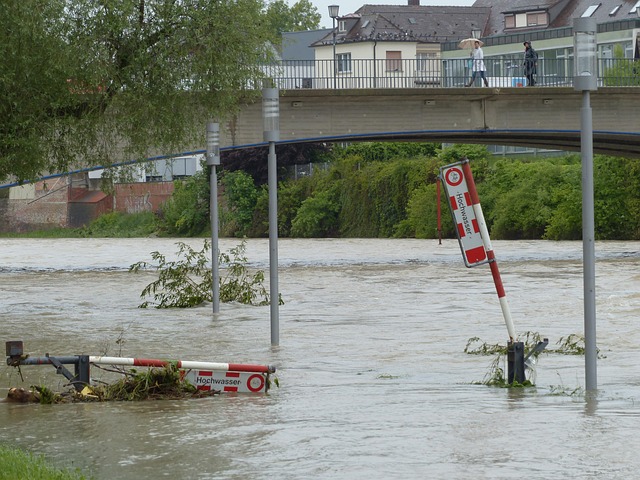
Flooding near your home can cause significant damage, disrupting your life and posing potential safety risks. As water intrudes into your property, it leaves behind moisture, fosters mold growth, and compromises structural integrity—a complex challenge known as flood damage repair. Traditional approaches often involve extensive reconstruction, yet there’s a more sustainable, natural solution: focusing on meticulous drying, specialized restoration techniques, and materials that enhance resilience against future events. This authoritative piece delves into the intricacies of this approach, offering insights into effective strategies for flood damage repair naturally.
- Assessing Flood Damage: The Initial Steps
- Safe Flood Repair Practices: Protecting Your Home
- Natural Solutions for Efficient Drying Out
- Restoring Your Space: Long-Term Flood Repair Strategies
Assessing Flood Damage: The Initial Steps
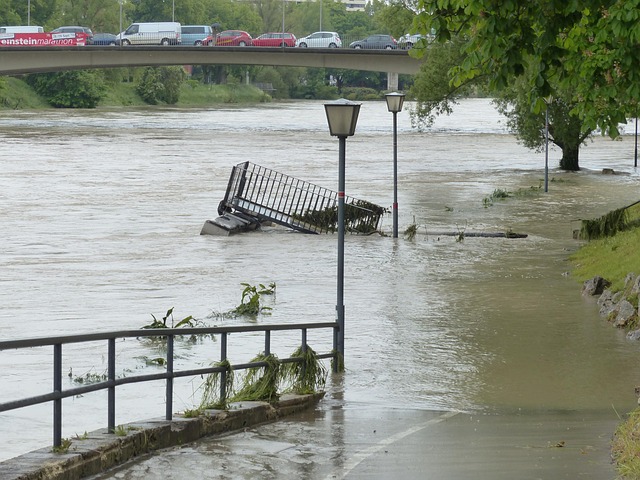
When faced with flood damage, the initial steps to assess and mitigate the impact are crucial for effective repair and recovery. Homeowners in Dallas, or any affected area, should approach this process systematically, prioritizing safety and minimizing further damage. The first 24-48 hours after a flood are critical, requiring swift action to prevent long-term issues like mold growth and structural deterioration.
Start by ensuring the safety of yourself and your family. Turn off electricity at the main breaker box if water has penetrated areas with electrical appliances or outlets. Wear protective gear, including gloves, boots, and a mask, when entering flooded spaces to guard against contaminants and potential hazards. Document the damage through photos and videos, which will be invaluable for insurance claims and future reference.
A key aspect of flood damage repair is preventing mold growth. Water damage can create an ideal environment for mold spores to flourish, leading to health issues and structural problems. Experts in Dallas recommend implementing immediate mold prevention measures. This includes using dehumidifiers to reduce moisture levels and applying appropriate antimicrobial treatments to affected areas. Property Restoration of the Capital Region, a trusted name in expert flood cleanup Dallas, emphasizes the importance of quick response times to mitigate these risks effectively.
Additionally, local flood recovery experts suggest a thorough inspection for structural damage. Check for loose or damaged wiring, shifting foundations, and compromised load-bearing walls. In severe cases, consult structural engineers for safety assessments. These initial steps are vital to guide the restoration process, ensuring that flood damage repair in Dallas is comprehensive and successful, leaving homes safe, dry, and restored.
Safe Flood Repair Practices: Protecting Your Home

When your home floods, it’s crucial to prioritize safe flood repair practices to protect both your property and health. The initial response after a flood often involves temporary measures like turning off electricity and removing water as quickly as possible to prevent further damage. However, long-term flood damage repair naturally requires a systematic approach to address structural integrity, water removal, and mold and mildew removal post-flood Austin—essential steps that not only restore your home but also ensure a safe living environment.
In areas prone to flooding like DFW, restoration services for flooded homes are in high demand. Property Restoration of the Capital Region, for example, has seen firsthand the extensive water damage typical in such situations. Their expert team understands that immediate action is critical to mitigate mold and mildew growth, which can begin within 24-48 hours of flooding. Proper water damage restoration near me involves using advanced equipment to extract moisture from walls, floors, and other surfaces while ensuring thorough drying to prevent structural issues and health hazards associated with mold.
A comprehensive flood repair process includes assessing the scope of damage, implementing safe removal techniques for contaminated materials, and employing efficient drying methods. It’s important to avoid DIY attempts at flood damage restoration, as incorrect handling can lead to further complications. Professional services like those offered by Property Restoration of the Capital Region bring specialized knowledge and resources to the table, ensuring that every aspect of water damage repair is handled safely and effectively. This not only speeds up the recovery process but also guarantees that your home is restored to its pre-flood condition or even better, with enhanced protection against future flooding events.
Natural Solutions for Efficient Drying Out

When facing flood damage, many homeowners instinctively rush to traditional drying methods, but there’s a growing trend towards embracing natural solutions for efficient home flooding repairs. This approach not only promotes environmental sustainability but also offers unique advantages in restoring your property to its pre-flood condition. One of the key benefits of natural flood damage repair is its ability to preserve historical and architectural integrity. In bustling cities like Dallas and Houston, where homes span diverse styles and ages, employing eco-friendly practices can be a game-changer for preserving these cultural treasures.
Natural methods focus on harnessing the power of air movement, sunlight, and moisture-absorbing materials to dry out your home after a flood. For instance, opening windows and doors allows fresh air to circulate, displacing humid air and accelerating the drying process. Similarly, strategically placing fans can create cross-ventilation, further enhancing evaporation rates. The use of desiccant materials like silica gel packets or calcium chloride is another effective strategy. These substances absorb moisture from the air, acting as natural dehumidifiers that speed up the drying time and prevent mold growth.
Restoring damaged homes in Houston or anywhere else requires careful consideration of local resources and practices. Local experts in flood recovery tips recommend a holistic approach, combining traditional methods with innovative natural techniques. Property Restoration of the Capital Region, for instance, has successfully implemented these strategies, demonstrating that natural flood damage repair can be highly effective while minimizing environmental impact. By embracing sustainable practices, homeowners not only protect their properties but also contribute to a greener and healthier community post-disaster.
Restoring Your Space: Long-Term Flood Repair Strategies
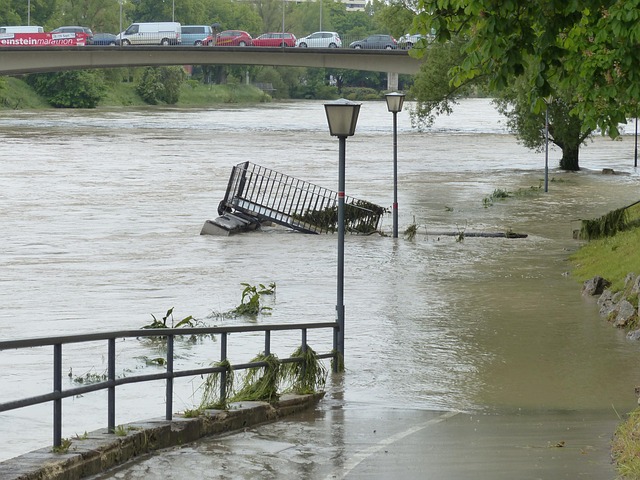
Recovering from flood damage requires a strategic approach tailored to both immediate recovery and long-term restoration. While it’s tempting to rush in and start repairs, prioritizing mold prevention after water damage is crucial, especially in areas prone to humidity like Dallas. Mold thrives on moisture, so addressing it naturally through advanced drying techniques and implementing effective ventilation solutions is paramount. Services specializing in water extraction and drying, such as those offered by companies in the Dallas Fort Worth area, play a vital role here, ensuring every inch of your property is thoroughly dried, minimizing the risk of mold growth.
In cities like San Antonio, local flood cleanup professionals not only offer expert water removal but also possess the specialized equipment needed for efficient drying. This includes powerful dehumidifiers and air movers that expedite the process while reducing the likelihood of structural damage from prolonged moisture exposure. Remember, rapid action is key; according to the Federal Emergency Management Agency (FEMA), prompt mitigation can significantly reduce repair costs and minimize secondary damage like mold growth.
Once immediate flood damage repairs are addressed, focusing on long-term restoration becomes essential. This includes a holistic approach to rebuilding, considering not just structural integrity but also air quality and overall livability. For instance, Property Restoration of the Capital Region emphasizes natural, non-toxic methods for flood damage repair, ensuring a healthier environment post-disaster. This might involve using eco-friendly materials during reconstruction or implementing ventilation systems that enhance air circulation and promote drying, further mitigating mold risks. By combining expert services with sustainable practices, homeowners can achieve not just a restored space but a safer, more resilient one as well.
After exploring the comprehensive guide on flood damage repair, readers are now equipped with a deep understanding of the initial assessment process, safe and natural repair practices, and long-term restoration strategies. Key insights include the importance of swift action to mitigate mold growth through efficient drying techniques inspired by natural solutions. The article emphasizes that, beyond traditional methods, focusing on flood damage repair naturally can significantly enhance recovery outcomes while ensuring a safer environment. By prioritizing these practical steps—from initial assessment to enduring restoration—homeowners can effectively navigate the challenges of flood damage and restore their spaces to their former glory.