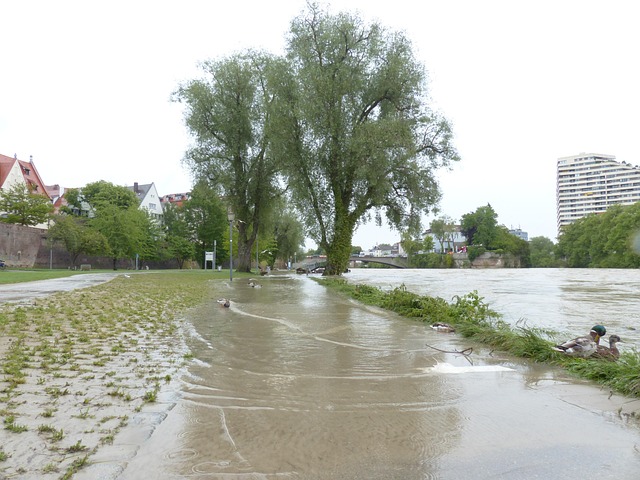








Flooding in the home can cause significant damage, disrupting lives and posing potential health risks. As a natural disaster with increasing frequency and intensity, effective flood damage repair is crucial for homeowners and communities alike. Traditional methods often leave behind residue and chemicals, prompting a need for environmentally conscious solutions. Herein lies the significance of exploring green and natural approaches to flood damage repair, ensuring not only the restoration of homes but also the preservation of our environment. This article delves into the latest techniques, offering practical insights for homeowners seeking to mitigate flood damage in an eco-friendly manner.
- Assessing Flood Damage: The First Steps After a Flood
- Natural Approaches to Repairing Your Home from Flooding
- Restoring Your Space: Long-Term Strategies for Complete Recovery
Assessing Flood Damage: The First Steps After a Flood
Assessing flood damage is a crucial step in the flood recovery process, especially for Houston residents and those in the DFW area affected by recent floods. The initial assessment not only provides an understanding of the extent of the damage but also guides the next steps in flood damage repair naturally. This involves a thorough inspection of your home, focusing on structural integrity, water intrusion points, and potential mold growth.
Start by walking through every room, taking note of any visible signs of water damage, such as peeling paint, warped floors, or discolored walls. Check for water lines along baseboards and ceilings, as these can indicate the height of the floodwater and its potential impact on your home’s internal structures. Document everything with high-quality photos, which will be invaluable when filing insurance claims or during future renovations. When assessing, pay close attention to areas often overlooked, such as crawl spaces and attics, as these can harbor hidden water issues that may compromise the overall structural integrity of your home.
For Houston residents, it’s essential to consider the unique challenges posed by frequent flooding in the region. According to recent data from the National Weather Service, over 50% of properties in Houston have experienced at least one flood event in the last decade. This highlights the importance of proactive measures and effective flood recovery tips for Houston residents. Similarly, DFW areas also face their fair share of flooding, with an average of 3-4 major flood events annually, necessitating home renovation tips for flooded areas tailored to this region’s needs.
After the initial assessment, prioritize tasks based on urgency and safety. If you notice any structural instability or suspect mold growth, it’s best to consult professionals like Property Restoration of the Capital Region who specialize in such situations. They can provide expert advice and guidance on how to proceed with flood damage repair naturally while ensuring your home is safe for occupation. Remember, prompt action during flood recovery can prevent further damage and speed up the renovation process, whether you’re planning home renovation after a Houston flood or addressing water damage in DFW areas.
Natural Approaches to Repairing Your Home from Flooding
Recovering from flood damage can be a daunting task, but embracing natural approaches to repair and restoration offers both environmental benefits and cost savings. When water intrudes on your home, prioritizing dry wall repair after water damage in Austin, for instance, is crucial to mitigating mold growth. Mold thrives in moist environments, so promptly addressing this aspect of flood damage repair naturally can prevent significant health risks and costly remediation down the line. Reputable professionals offering services like professional mold removal in Austin are equipped with the knowledge and tools to ensure a thorough clean-up.
Beyond structural repairs, water damage restoration near me open late offers homeowners convenience during challenging times. Rapid response is key to minimizing flood damage, so having access to services that cater to unconventional schedules can make all the difference. For instance, Property Restoration of the Capital Region understands the urgency of these situations and provides flexible service options to meet diverse needs. Employing natural cleaning methods, such as using vinegar and baking soda for deodorizing and disinfecting, can further reduce environmental impact while effectively removing residual moisture and odors.
Another eco-friendly approach involves utilizing natural materials in rebuilding efforts. For example, using bamboo or reclaimed wood for dry wall replacement not only reduces the carbon footprint but also offers a unique aesthetic appeal. These sustainable practices not only contribute to a healthier planet but can also enhance the overall value of your property. By combining professional expertise with natural solutions, homeowners can restore their homes effectively while aligning with their values and promoting environmental stewardship.
Restoring Your Space: Long-Term Strategies for Complete Recovery
Recovering from flood damage requires more than just cleaning up water and removing soaked belongings; it’s a multifaceted process aimed at complete space restoration and ensuring long-term protection against future incidents. This involves careful consideration of structural integrity, materials affected by moisture, and the overall health of your living or working environment. For instance, while quick 24/7 flood cleanup Houston services are crucial for mitigating immediate risks, dry wall repair after water damage Austin requires specialized techniques to prevent mold growth and promote efficient healing.
One natural approach to flood damage repair involves using environmentally friendly products and methods that not only restore but also strengthen your space. This includes employing moisture-resistant materials during repairs, such as treated wood and waterproof drywall, to safeguard against future flooding events. In areas prone to frequent inundations, like Houston, adopting these strategies can significantly reduce the need for repeated flood damage repair naturally. For example, Property Restoration of the Capital Region has successfully implemented these techniques in numerous projects, demonstrating their effectiveness in various settings.
Moreover, focusing on comprehensive repairs beyond immediate visible damage is paramount. Water damage repair specialists Houston emphasize that hidden issues like warped floors, compromised insulation, or affected electrical systems can lead to long-term problems if left unaddressed. Regular inspections and proactive maintenance are key to preventing these secondary damages. By integrating these strategies into your flood recovery plan, you can achieve a more durable and resilient home or business environment, ensuring peace of mind even amidst challenging conditions.
After navigating the immediate aftermath of a flood, the article has equipped readers with essential tools to assess flood damage and explore effective, natural approaches to repair. Key insights include the importance of a thorough inspection, prioritizing safety, and understanding the environmental impact. By embracing long-term strategies, homeowners can achieve complete recovery through sustainable and eco-friendly practices. Embracing flood damage repair naturally not only restores homes but also contributes to a resilient and harmonious relationship with our environment. With these comprehensive guidelines, readers are empowered to transform challenges into opportunities for rebuilding in a more sustainable manner.
Flood Damage Assessment and Repair:
1. Initial Step: Assess structural integrity, water intrusion, and mold potential in every room; document with photos. Pay special attention to hidden issues like crawl spaces and attics.
2. Regional Challenges: Houston and DFW areas face frequent flooding; consider proactive measures based on local data. Over 50% of Houston properties have experienced floods, necessitating tailored home renovation tips.
3. Prioritize Tasks: Consult professionals for urgent issues like structural instability or suspected mold growth. Prompt action prevents further damage and speeds up renovations.
4. Natural Approaches: Emphasize drywall repair after water damage to mitigate mold; use natural cleaning methods (e.g., vinegar, baking soda); incorporate eco-friendly materials in rebuilding efforts (e.g., bamboo, reclaimed wood).
5. Comprehensive Restoration: Address hidden damages like warped floors, compromised insulation, and affected electrical systems; regular inspections prevent secondary damage; implement moisture-resistant strategies for future protection.