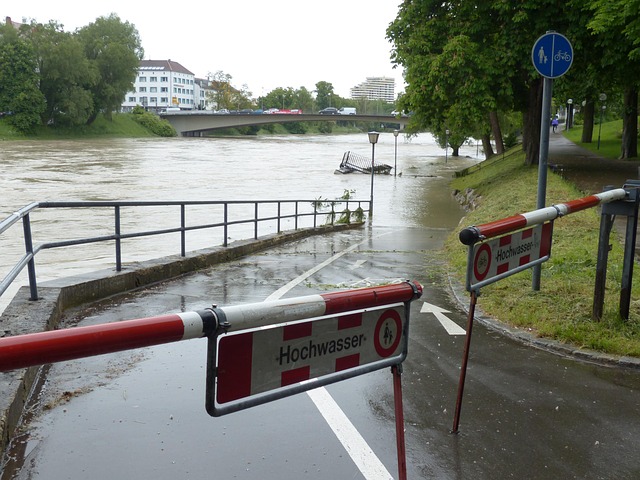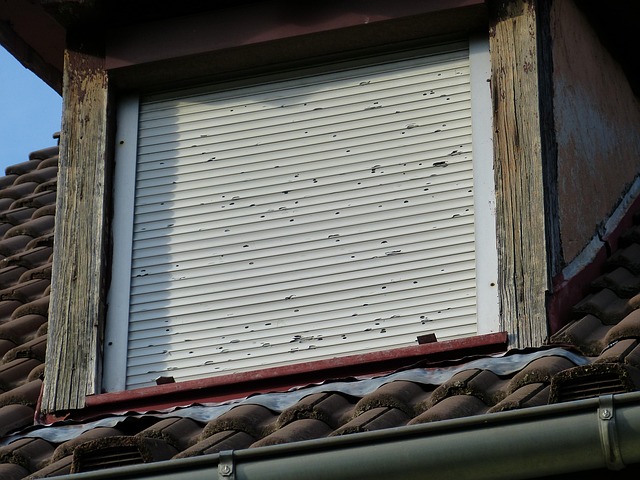








Texas homeowners face escalating flood risks, requiring proactive measures to protect properties. Key strategies include: implementing water-resistant barriers and native vegetation, regular drainage maintenance, smart home monitoring, and efficient restoration using non-toxic agents. Post-flood actions involve a systematic approach: initial assessment, rapid water extraction with advanced equipment, structural repairs, decontamination, and strategic rebuilding for resilience. Local specialists offer eco-friendly flood damage repair naturally, minimizing environmental impact and enhancing home durability. Meticulous planning, expert guidance, and community preparedness are crucial for effective recovery in flood-prone areas like Houston and Austin.
Home flooding is a significant concern for many, posing substantial risks to property and belongings. As climate change intensifies, the likelihood of severe weather events and subsequent floods increases, making proactive solutions essential. Traditional flood damage repair methods often rely on extensive, costly, and potentially chemical-laden processes. However, a growing trend in the industry offers a more natural approach to flood damage repair, prioritizing environmentally friendly solutions that not only mitigate harm but also support long-term resilience. This article delves into the innovative and sustainable strategies transforming flood damage repair, providing homeowners with effective tools to protect their investments.
- Assessing Your Home's Flood Risk
- Protecting Against Water Damage Naturally
- Short-Term Flood Mitigation Strategies
- Comprehensive Flood Damage Repair Guide
- Natural Solutions for Post-Flood Cleaning
- Rebuilding and Preventing Future Floods
Assessing Your Home's Flood Risk
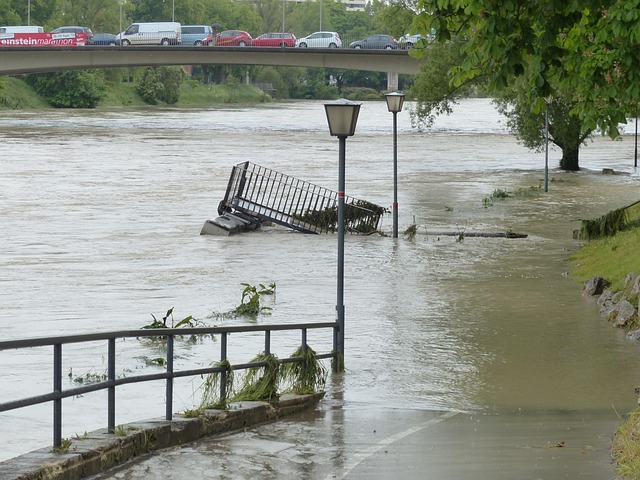
Assessing your home’s flood risk is a crucial step in safeguarding your property and minimizing potential losses. According to recent studies, many areas across Texas have experienced an increase in severe weather events, leading to widespread flooding. For instance, San Antonio has witnessed several significant floods over the past decade, causing substantial damage to homes and businesses. Similarly, Dallas residents have faced growing challenges due to heavy rainfall, underscoring the pressing need for effective flood preparedness.
When evaluating your home’s vulnerability, consider factors like its proximity to water bodies, drainage patterns, and historical flooding data specific to your neighborhood. Property owners in low-lying areas or near rivers and streams are generally at higher risk. For example, homes built on flat terrain with poor drainage are more susceptible to rapid water accumulation during heavy rains. By understanding these risks, you can proactively implement strategies to mitigate potential flood damage. One effective approach is installing proper flooding barriers and reinforcement systems, which have proven valuable in reducing the impact of rising waters.
Restoring your home post-flood involves a meticulous process that requires professional expertise. In Texas cities like San Antonio, Austin, and Dallas, local flood recovery experts play a vital role in helping property owners navigate the aftermath. They offer specialized services such as water extraction, mold removal, and structural repairs to ensure homes are safe and habitable again. For instance, professional mold removal services in Austin are essential for preventing health issues and further damage caused by mold growth after flooding. Similarly, Property Restoration of the Capital Region has established itself as a trusted name in providing comprehensive flood damage repair naturally, focusing on eco-friendly restoration techniques. These local experts can guide you through every step, from initial assessment to final restoration, ensuring your home is brought back to its pre-flood condition or even improved with enhanced flood preparedness features.
Protecting Against Water Damage Naturally

Protecting your home against water damage naturally is a proactive approach that offers numerous benefits, especially in regions prone to flooding like North Texas. While traditional flood damage repair methods are essential, embracing natural solutions can enhance your home’s resilience and minimize environmental impact. Local disaster response teams often emphasize the importance of preparedness, and natural remedies play a significant role in this strategy.
One effective method is implementing water-resistant barriers and materials around your property. For instance, using permeable surfaces like gravel or specific types of landscaping fabric can help absorb excess water during heavy rainfall, preventing it from reaching your foundation. Additionally, planting native vegetation with deep root systems acts as a natural sponge, reducing surface runoff and easing the burden on drainage systems. These organic solutions not only safeguard your home from immediate flood damage but also contribute to long-term environmental sustainability.
Getting your home back to normal after a flood requires a systematic approach. Water damage restoration near you should ideally begin with assessing the extent of the water intrusion and identifying potential sources of contamination. Professional services, like Property Restoration of the Capital Region, employ advanced techniques to dry out affected areas quickly, minimizing mold growth and structural damage. Natural cleaning agents, such as baking soda and vinegar, can be utilized for non-toxic yet effective sanitization. This multi-faceted strategy ensures that your home not only survives but also thrives after a flooding event.
Regular maintenance and vigilance are key to preventing flood damage. Checking and maintaining drainage systems, ensuring proper grading around your property, and installing smart home devices that monitor water levels can all be part of your disaster response plan. By combining natural solutions with proactive measures, homeowners in North Texas can significantly reduce the likelihood and impact of future flood damage repairs naturally.
Short-Term Flood Mitigation Strategies

In the aftermath of a flood, immediate action is crucial to mitigate damage and prevent further complications. Short-term flood mitigation strategies play a pivotal role in safeguarding homes and belongings, especially in regions like North Texas and Houston, prone to sudden water-related disasters. One effective approach involves implementing temporary barriers to stop or slow down the flow of water into vulnerable areas. This can include raised foundations, waterproof membranes, and strategically placed sandbags, all readily available materials that can be employed quickly by homeowners with some basic knowledge.
For instance, in recent years, the DFW area has witnessed several severe flooding events, underscoring the importance of proactive measures. Home renovation tips for flooded areas focus on quick, efficient water extraction and drying techniques to prevent mold and structural damage. Professional water damage repair specialists in Houston and North Texas are well-equipped to offer guidance and services tailored to specific needs. These experts utilize advanced equipment like powerful dehumidifiers, air movers, and thermal imaging cameras to assess and address water intrusion swiftly.
Moreover, local disaster response teams across the Capital Region have honed their skills in coordinating rescue operations and providing immediate aid during floods. Collaborating with these teams can offer valuable support, ensuring safety and facilitating faster recovery. Property Restoration of the Capital Region, a leading name in flood damage repair naturally, emphasizes the importance of quick action and offers comprehensive services to restore homes affected by flooding. This includes not only repairing physical damages but also restoring essential appliances and belongings, ensuring residents can return to their homes as safely and comfortably as possible.
Comprehensive Flood Damage Repair Guide

Dealing with flood damage requires a systematic approach to ensure thorough repair and restoration. When faced with water intrusion, whether from heavy rains or rising rivers, immediate action is crucial. The first step involves assessing the extent of the damage and implementing emergency measures to prevent further deterioration. This may include turning off power sources and removing valuable items from affected areas.
For homeowners in regions prone to flooding, such as Houston and Austin, having a 24/7 flood cleanup service on speed dial is essential. Rapid response is key to minimizing water damage and preventing mold growth. After the initial chaos, the comprehensive flood damage repair process begins. This involves several stages: drying out after a Houston flood or any affected area, which requires advanced equipment like air movers and dehumidifiers to remove moisture efficiently. Once the space is dry, professionals can address structural repairs, replacing damaged materials and ensuring the property’s integrity.
The next phase focuses on sanitization and decontamination. Floodwaters often carry contaminants, posing health risks. Experts in flood cleanup Austin use specialized cleaning solutions and techniques to safely disinfect surfaces and prevent the spread of bacteria and mold. Property Restoration of the Capital Region emphasizes the importance of thorough drying and decontamination, citing studies that show proper restoration practices can significantly reduce health risks associated with water damage. This is especially critical for vulnerable populations like the young and elderly.
Finally, rebuilding and renovation begin, restoring the property to its pre-flood condition or even improving upon it. This stage involves careful planning, design, and execution to ensure the new space is not only functional but also resilient against future flooding events. By following these steps and partnering with experienced professionals like those available in Houston and Austin, homeowners can effectively navigate flood damage repair naturally, achieving a safe and secure living environment once again.
Natural Solutions for Post-Flood Cleaning

Post-flood cleaning requires a delicate balance between restoring your home to its pre-flood condition while minimizing environmental impact. Natural solutions offer an eco-friendly alternative to conventional flood damage repair methods. For instance, using biodegradable cleaning agents and implementing moisture control techniques like natural ventilation can significantly reduce chemical exposure and promote healthier living environments. Consider locally sourced materials for reconstruction; timber and stone from sustainable suppliers can enhance the resilience of your property while supporting regional economies.
In cities like Austin, local flood cleanup services specialize in eco-conscious restoration practices. They employ advanced water extraction and drying techniques to minimize moisture levels without resorting to harsh chemicals. This not only ensures efficient flood damage repair naturally but also prevents further structural damage caused by prolonged water presence. Similarly, Houston residents can benefit from tailored flood recovery tips focusing on natural remedies for mold prevention and air purification. Maintaining optimal humidity levels through strategic ventilation and using essential oils known for their antimicrobial properties can create a healthier home environment post-flood.
Dallas/Fort Worth areas have seen the effectiveness of integrated solutions in property restoration. The success of these methods lies not only in their environmental benefits but also in their cost-effectiveness compared to traditional reconstruction. For instance, Property Restoration of the Capital Region has led initiatives using locally sourced materials and sustainable building practices, resulting in reduced carbon footprints and lower long-term maintenance costs for affected homeowners. This holistic approach ensures that flood-damaged properties are not only restored but also enhanced, making them more resilient against future flooding events.
Moreover, engaging with local professionals who prioritize natural solutions fosters community resilience. These experts can provide guidance on everything from water extraction and drying strategies to eco-friendly renovation practices. By adopting these methods, Houston, Austin, and Dallas/Fort Worth residents can contribute to a more sustainable recovery process while ensuring their homes are safe, healthy, and secure for future generations.
Rebuilding and Preventing Future Floods

Rebuilding from a flood is an intricate process that requires meticulous planning and expert guidance. When facing the aftermath of a Houston flood, homeowners often wonder how to best approach the task of repairing their properties while preventing future damage. This comprehensive guide offers valuable insights into navigating this challenging situation.
The initial step in mitigating future risks is conducting thorough inspections and assessments. Homeowners should enlist the aid of professional flood damage repair specialists, such as those available in Houston, who can evaluate every corner of the house. These experts will identify weak points and areas prone to water intrusion, providing a detailed plan for repairs and reinforcement. For instance, reinforcing doors and windows with water-resistant materials is an effective strategy to prevent water from entering during severe weather events. Additionally, installing floodgates or check valves in basements can act as a robust defense mechanism against rising waters.
Home renovation after a Houston flood involves more than structural repairs; it’s about implementing long-lasting solutions that promote resilience. Property Restoration of the Capital Region, for instance, has successfully assisted numerous clients in restoring their homes to pre-flood conditions while incorporating advanced water-proofing techniques. This includes using specialized materials during rebuilding efforts to ensure better protection against future floods. By combining expert knowledge with natural flood damage repair methods, homeowners can significantly reduce potential losses. Local San Antonio flood cleanup professionals emphasize the importance of acting swiftly; immediate action after a flood reduces not only property damage but also minimizes health risks associated with mold and mildew growth.
To enhance flood prevention measures, regular maintenance is key. Homeowners should create a schedule for inspecting and maintaining water-control systems, such as gutters and downspouts. Clearing debris from these areas prevents clogs, ensuring proper water flow during heavy rains. Furthermore, staying informed about local weather forecasts and joining community alert systems can provide crucial leads on potential flood risks, allowing residents to take proactive steps in protecting their homes.
By addressing your home’s flood risk, implementing natural protection methods, and understanding short-term strategies, you can significantly mitigate potential flood damage. The comprehensive guide on flood damage repair naturally offers a detailed roadmap for dealing with immediate impacts and long-term prevention. Key insights include the importance of assessing vulnerability, employing natural barriers, and adopting efficient cleaning techniques post-flood. Through these practical steps, homeowners can not only reduce repairs but also build resilience against future floods, ensuring a safer and more sustainable living environment. This authoritative article equips readers with the knowledge to take proactive measures, fostering a community better equipped to handle and recover from flood events naturally.