






Austin, TX, faces recurring flooding causing significant property damage, including mold growth and complex rebuilding efforts. To mitigate these issues, residents should:
1. Promptly document damage, secure items, and turn off power.
2. Engage professional property restoration services for effective water extraction, drying, and mold remediation.
3. Understand insurance coverage and keep detailed records for a smoother claims process.
4. Adopt natural, eco-friendly approaches to flood damage repair, using biodegradable agents and locally sourced materials.
5. Implement structural enhancements like permeable flooring, robust drainage systems, and waterproof finishes to prevent future damage.
In the face of an increasing number of severe weather events, home flooding has become a pressing concern for Austin, TX residents. Effective flood damage repair is not just about restoring properties; it’s about safeguarding families and communities. The process demands expertise in navigating the aftermath of water intrusion, understanding the intricacies of mold prevention, and implementing natural solutions to ensure long-term resilience against future floods. This article provides an authoritative guide to flood recovery in Austin, delving into best practices for flood damage repair, with a focus on sustainable, environmentally friendly methods that promote community resilience.
- Understanding Flooding in Austin, TX: Causes and Impact
- Immediate Steps After a Home Flood: Safety and Assessment
- Documenting Damage: The Role of Home Insurance
- Natural Approaches to Flood Damage Repair
- Restoring Your Home: Long-Term Solutions and Prevention
Understanding Flooding in Austin, TX: Causes and Impact
Understanding Flooding in Austin, TX: Causes and Impact
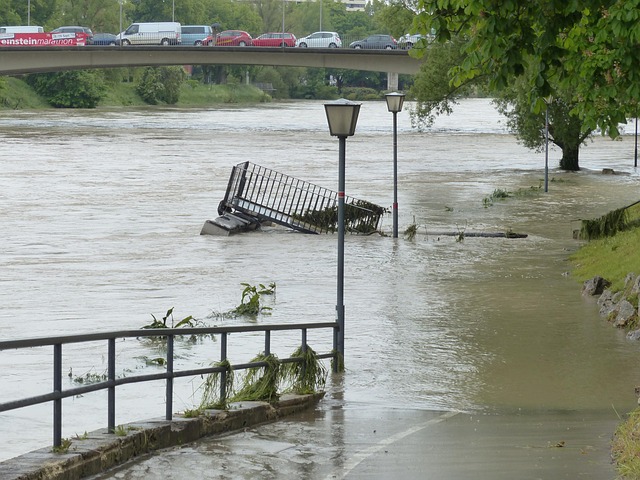
Austin, Texas, is no stranger to flooding events, which can have significant impacts on homes and communities. The city’s unique geography, characterized by hills, rivers, and lakes, contributes to its vulnerability during heavy rainfall. Flash floods are a common occurrence, especially in urban areas where infrastructure cannot always keep pace with rapid water accumulation. These sudden deluges often lead to extensive property damage, requiring thorough flood damage repair.
The consequences of flooding in Austin extend beyond physical damage. Standing water can create ideal conditions for mold growth, posing additional health risks and necessitating specialized mold removal after floods, as seen in San Antonio’s post-flooding scenarios. The rebuilding efforts following a flood, as demonstrated in Houston, are complex and time-consuming. Residents often face challenges in navigating the insurance claims process and coordinating with contractors for repairs.
To mitigate these issues, Austin residents should be equipped with essential flood recovery tips. These include promptly documenting damage, securing valuable items, and turning off electrical power to prevent electrocution risks. For homes that have experienced flooding, it’s crucial to engage professional property restoration services, such as Property Restoration of the Capital Region, which can effectively address water extraction, drying, and mold remediation. By understanding the causes and impacts of flooding in Austin, residents can better prepare for, respond to, and recover from these events with more confidence and efficiency.
Immediate Steps After a Home Flood: Safety and Assessment
After a home flood, immediate action is crucial for safety and minimizing damage. The first step is to ensure everyone’s well-being by evacuating if necessary and checking for hazards like electrical risks or structural instability. Once safety is secured, assessing the extent of the flood damage is vital. Look for water levels, duration of exposure, and any visible signs of mold or structural compromise.
Water extraction should be a top priority to prevent further deterioration. Professional flood damage repair companies, like those in Houston, are equipped with advanced equipment to efficiently remove standing water from your home. This step not only helps dry out the space but also significantly reduces the risk of mold growth, which can be a significant health concern.
Once extraction is complete, professional restoration companies can guide you through the flood damage repair process. They employ specialized techniques and products to restore your home to its pre-flood condition. For example, Property Restoration of the Capital Region offers state-of-the-art water extraction and restoration services, ensuring that your Austin residence gets back to normal promptly and effectively. This includes drying, decontaminating, and repairing affected areas, all while adhering to industry standards for flood damage repair naturally.
Remember, getting your home back to normal after a flood requires swift action and professional expertise. Whether it’s water extraction, restoration, or repairs, working with experienced companies can make all the difference in mitigating disruption and ensuring your safety throughout the recovery process.
Documenting Damage: The Role of Home Insurance
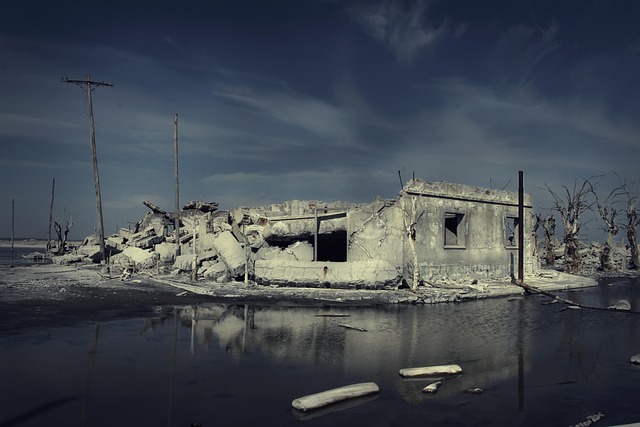
When faced with flood damage in Austin, Texas, understanding the role of home insurance is paramount to navigating the recovery process effectively. Documenting the extent of flood damage is a crucial step, as it forms the basis for any claims made against your policy. This involves taking detailed photos and videos of affected areas, noting dates, and keeping records of repairs or replacements. Property Restoration of the Capital Region emphasizes that this documentation not only facilitates the claims process but also ensures you receive fair compensation for flood damage repair naturally.
One common challenge after a flood is the potential for extensive mold growth, especially in warmer climates like Austin. Mold removal after flood San Antonio should be addressed promptly to mitigate health risks and prevent further damage. Water damage restoration near me open late services are crucial for swift action, as prompt intervention can save thousands in future repairs. Many homeowners underestimate the scope of water damage, but professionals know where to look—from visible stains to hidden areas like walls, flooring, and appliances.
Getting your home back to normal after a flood requires a multi-step approach. First, assess the situation with a professional who can evaluate both flood damage repair and mold removal needs. Then, work with insurers to understand coverage limits and next steps. Property Restoration of the Capital Region recommends keeping detailed records throughout, as this ensures a smoother claims process. Once approved, restoration services should begin promptly to prevent further deterioration, ensuring your home returns to its pre-flood condition or better.
Natural Approaches to Flood Damage Repair
When your home in Austin, TX experiences flood damage, opting for natural approaches to repair can be a sustainable and cost-effective solution. The initial step involves assessing the extent of the damage, which is crucial for determining the most suitable natural restoration methods. Local experts in Dallas emphasize that using eco-friendly materials and techniques not only minimizes environmental impact but also promotes long-term resilience against future flooding events.
One effective strategy is employing biodegradable cleaning agents to remove contaminants left behind by floodwaters. Unlike traditional chemical cleaners, these natural alternatives are safer for both your family and the local ecosystem. Additionally, utilizing locally sourced and sustainable building materials during home renovation tips for flooded areas in DFW can significantly reduce carbon footprints associated with construction. As an example, using reclaimed wood or bamboo for flooring not only adds aesthetic appeal but also contributes to a more sustainable building practice.
Restoring damaged homes in Dallas, 1-3 times more common than you might think, requires careful planning and execution. Engaging the services of experienced local flood recovery experts like Property Restoration of the Capital Region ensures that your home is restored not just visually, but structurally and safely as well. They employ cutting-edge natural restoration techniques tailored to your specific needs, ensuring your home not only looks good as new but also stands strong against future weather events. This holistic approach combines traditional wisdom with modern innovations to create a robust and sustainable flood damage repair strategy for your Austin home.
Restoring Your Home: Long-Term Solutions and Prevention
Recovering from a home flood involves more than immediate cleanup; it’s a multifaceted process requiring strategic long-term solutions to prevent future damage. While quick action is crucial for fast flood damage restoration near me, implementing natural and sustainable practices can fortify your home against Austin’s unpredictable weather events. Consider the environment as an ally in your recovery, opting for eco-friendly materials and techniques during home renovation after a Houston flood.
For instance, Property Restoration of the Capital Region recommends using permeable materials for new flooring or repairs to help manage water runoff. Natural fibers like bamboo or cork not only withstand flooding but also offer durability and resilience against moisture. Additionally, employing locally sourced and recycled building materials can reduce environmental impact while fostering a sense of community connection. These choices align with the growing trend towards sustainable home renovation practices, reflecting a mindful approach to both recovery and long-term flood prevention.
Beyond structural changes, establishing robust drainage systems is vital for mitigating future risks. Collaborate with local experts in Dallas who specialize in complex flooding scenarios to design efficient water diversion strategies tailored to your property’s unique topography. Regular inspections and maintenance of these systems can prevent clogs and ensure optimal performance during any weather event.
Moreover, investing in flood-resistant finishes on walls and ceilings can provide an extra layer of protection. Waterproof coatings and paints formulated for high humidity offer long-lasting solutions without compromising aesthetics. By combining these strategies—from sustainable materials to efficient drainage systems and protective coatings—you not only restore your home after a Houston flood but also enhance its resilience against future challenges, ensuring peace of mind for years to come.
Recovering from home flooding in Austin, TX involves a multi-faceted approach. Key insights include understanding local flooding dynamics, prioritizing safety during and immediately after an event, thoroughly documenting damage for insurance claims, and embracing natural methods for flood damage repair. While insurance plays a crucial role in financial recovery, integrating long-term prevention strategies is essential to protect against future losses. By combining immediate safety measures, meticulous documentation, and natural flood damage repair techniques, Austin homeowners can not only restore their properties but also build resilience against this ever-present natural hazard. This comprehensive guide equips readers with the knowledge and tools necessary to navigate the flooding recovery process effectively and enhance their home’s durability.