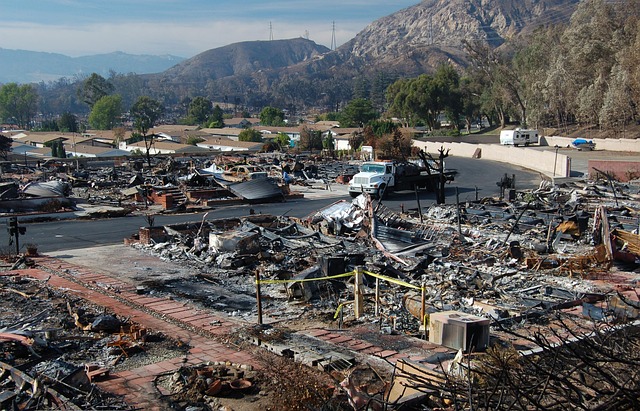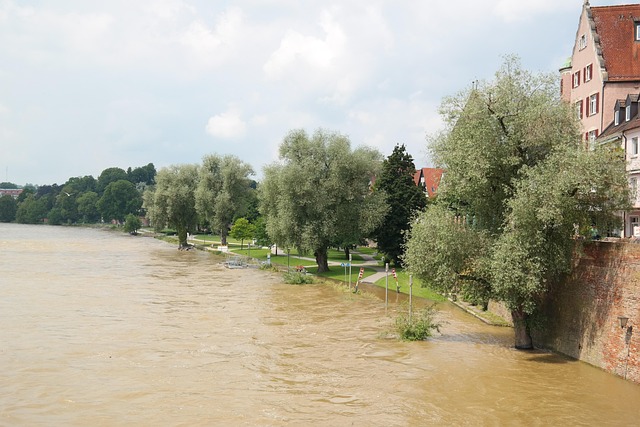








Seattle's vulnerability to flooding necessitates swift flood damage repair naturally. Companies specializing in water extraction and restoration offer efficient services within 24-48 hours, mitigating physical damage and health risks from mold growth. Homeowners should prioritize insurance coverage including flood damage repair and contact reputable experts for quick recovery. Key steps include immediate evacuation, shutting off utilities, using natural cleaning solutions, documentation, thorough assessment, and employing advanced equipment for extraction, dehumidification, and drying. Post-flood mold prevention and long-term natural techniques like vinegar and baking soda, ventilation, and sustainable restoration methods are crucial for efficient cleanup and reduced health risks in cities like Houston, Austin, San Antonio, and Seattle. Regular maintenance is essential to prevent future damage in flood-prone areas.
In the face of Seattle’s unpredictable weather patterns, urgent flood cleanup services are an indispensable resource for homeowners and businesses alike. Flood damage repair is not just about restoring physical structures; it’s about mitigating the significant risks to health and safety, as well as financial losses that can result from water intrusion. Timely intervention is crucial in flood damage repair naturally, preventing long-term issues such as mold growth and structural degradation. Our authoritative article delves into the intricacies of effective flood cleanup strategies, highlighting the expertise and meticulous attention to detail required to restore properties to their pre-flood condition.
- Understanding Seattle's Flooding Risks and Preparedness
- Immediate Actions After a Flood: Safety and Preservation
- Assessing Flood Damage: What to Look for and Document
- Natural Cleaning Methods for Effective Flood Restoration
- Specialized Equipment for Efficient Flood Cleanup
- Restoring Your Home: Long-term Solutions for Flood Damage Repair
Understanding Seattle's Flooding Risks and Preparedness
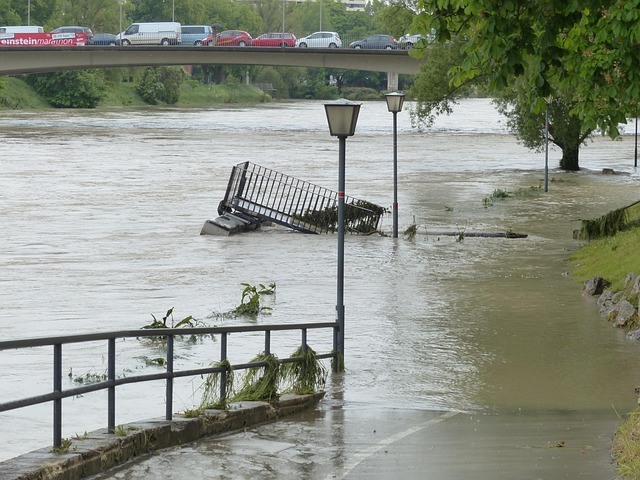
Seattle, nestled between majestic mountains and the breathtaking Puget Sound, faces unique environmental challenges that significantly impact its residents’ preparedness for natural disasters, particularly flooding. Understanding the city’s vulnerability to floods is crucial for effective disaster management. According to a study by the National Weather Service, Seattle experiences an average of 35 days with significant rainfall annually, increasing the likelihood of flash floods and riverine flooding, especially during the winter months.
The risks are not limited to heavy rainfall; the city’s geographical features contribute to its susceptibility. Sloped terrain and dense urban development can swiftly turn excessive water into a damaging force. When a flood strikes, it leaves behind not only physical damage but also poses significant health risks through mold and mildew growth. Homeowners in Seattle must be vigilant and prepared for such events, focusing on prompt flood damage repair naturally to mitigate long-term consequences.
Post-flood, the primary concerns shift towards water extraction and restoration. Companies like Property Restoration of the Capital Region in Houston excel in these areas, offering efficient water removal and drying services to prevent mold growth. In Austin, where flooding is also a recurring issue, professionals focus on thorough mold and mildew removal to ensure a healthy living environment. It’s essential for Seattle residents to contact reputable water extraction and restoration companies promptly after a flood to dry out their homes within 24-48 hours, as per industry standards, thus averting potential health hazards.
Additionally, understanding the importance of swift action, homeowners should prioritize insurance coverage that includes flood damage repair. This proactive approach ensures financial protection and facilitates easier recovery processes. By being prepared, Seattle’s residents can minimize the devastating effects of flooding, ensuring their homes are restored safely and efficiently, whether it’s through local experts or specialized services from out-of-state providers like those in Austin and Houston.
Immediate Actions After a Flood: Safety and Preservation

After a flood, immediate action is crucial to ensure safety and prevent further damage. The first 24–48 hours are a race against time, especially in cities like Seattle where rapid response can significantly impact the recovery process. The primary focus should be on evacuating residents to safe areas and minimizing secondary damages. This includes shutting off power and water supplies to avoid electrical shocks and potential pipes bursting.
In the initial phase of flood damage repair, natural methods can play a pivotal role in mold prevention. Experts suggest using natural enzymes and bacteria that break down organic matter present in flooded homes. These biological agents help restore balance without harsh chemicals, promoting a healthier environment for both residents and restoration workers. For instance, in Dallas, where severe weather events frequently cause water damage, professionals have seen success with enzyme-based cleaning solutions, which reduce mold growth and ensure a safer restoration process.
As flooding intensifies across regions like San Antonio, the need for swift action becomes even more critical. Restoring homes after severe flooding requires a comprehensive understanding of structural integrity and water removal. Professionals in North Texas and beyond have honed their skills to navigate these labyrinthine processes efficiently. They employ advanced equipment for extraction, dehumidification, and drying, which are essential steps before restoration can begin. The goal is to restore not just the physical space but also to help communities heal and rebuild, as demonstrated by Property Restoration of the Capital Region’s continuous efforts in aiding flood-affected areas.
A key aspect often overlooked is preparing for post-flood mold prevention. Once water damage is under control, addressing potential mold issues becomes essential. This involves thorough cleaning, proper ventilation, and, if necessary, professional mold removal. In many cases, early intervention can save countless dollars in renovation costs and ensure a healthier living environment for those affected by these natural disasters.
Assessing Flood Damage: What to Look for and Document

When faced with flood damage, a thorough assessment is crucial for effective cleanup and restoration. This initial step involves meticulously examining every aspect of affected areas to understand the full extent of the devastation. Property Restoration of the Capital Region experts emphasize that documenting every detail is vital; from water intrusion paths and levels to structural integrity checks and itemized lists of damaged possessions—it all matters.
Local professionals like those in San Antonio, Austin, and North Texas have encountered a wide range of flood scenarios. They recommend a systematic approach: start by assessing the water level and duration of contact with each area, as this dictates the severity of damage potential. Next, inspect for visible signs such as peeling paint, warped floors or cabinets, and water-stained ceilings. Pay close attention to electrical systems, plumbing, and HVAC units—disrupted utilities can lead to secondary damages and health hazards if left unattended.
Documentation plays a critical role in the flood damage repair process naturally. Take high-quality photos of all affected areas from multiple angles for reference later. Create detailed inventory lists of personal belongings, documenting their condition and location. This not only aids in insurance claims but also facilitates the efficient restoration process, ensuring every item receives appropriate care during cleanup. Remember, thorough documentation is key to a successful recovery—a fact recognized by top-tier restoration experts across the region.
Natural Cleaning Methods for Effective Flood Restoration
In the aftermath of a flood, many homeowners turn to emergency services for immediate relief, but the long-term solution lies in natural cleaning methods that effectively restore properties to their pre-flood condition. While professional flood damage repair is crucial, adopting eco-friendly practices ensures not just efficient cleanup but also minimizes potential health risks associated with contaminated water and mold growth. For instance, using natural disinfectants like vinegar or baking soda can eliminate the need for harsh chemicals, making them ideal for flooded basement clean up in Austin TX or home repairs after a Texas flood.
One of the primary considerations in any flood damage restoration process is drying out the affected areas swiftly. Natural methods like increased ventilation through open windows and doors, along with dehumidifiers, can significantly reduce moisture levels. This not only prevents structural damage but also mitigates mold growth, a common issue following floods. Property Restoration of the Capital Region emphasizes the importance of quick action in these cases, as data shows that prolonged exposure to high humidity after a flood can lead to extensive indoor air quality issues.
San Antonio, known for its resilience against flooding events, benefits from integrated emergency flooding repair strategies that blend traditional with natural techniques. For example, using fans and heaters to expedite drying, combined with organic cleaning solutions, creates an effective yet environmentally conscious approach to flood damage repair naturally. This method not only restores homes but also ensures the safety and well-being of occupants, making it a preferred choice for homeowners looking to recover from these disasters efficiently and sustainably.
Specialized Equipment for Efficient Flood Cleanup

In the aftermath of a flood, efficient cleanup and restoration are paramount to mitigate damage and ensure a swift return to normalcy. Property owners in Seattle, Houston, Austin, and San Antonio face unique challenges when dealing with floodwater and its subsequent effects. Specialized equipment plays a pivotal role in professional flood damage repair, enabling efficient water extraction and minimizing the risk of secondary damages like mold growth.
One of the primary tools in the arsenal of expert restoration companies is industrial-grade water extraction machinery. These advanced systems can swiftly remove standing water from homes and commercial spaces, preventing prolonged moisture that can lead to structural issues and foster the growth of mold and mildew. For instance, in Houston, where flooding events are frequent, top restoration firms utilize high-capacity pumps and vacuum systems to efficiently clear excess water. Similarly, in Austin and San Antonio, where post-flood mold removal is a significant concern, these companies employ air movers and dehumidifiers to dry out affected areas swiftly.
Beyond water extraction, restoration processes encompass a multi-step approach. Once the initial extraction is complete, specialized equipment for drying, decontaminating, and restoring structures comes into play. This comprehensive process ensures that not only is the visible damage repaired but also the hidden dangers posed by mold and mildew are addressed. Property Restoration of the Capital Region, a leading name in this field, emphasizes the importance of using environmentally friendly techniques for restoration, aligning with the growing demand for sustainable flood cleanup methods. By employing cutting-edge technology and adhering to best practices, restoration companies can effectively restore homes and businesses across these cities, providing peace of mind and safeguarding against future losses.
Restoring Your Home: Long-term Solutions for Flood Damage Repair
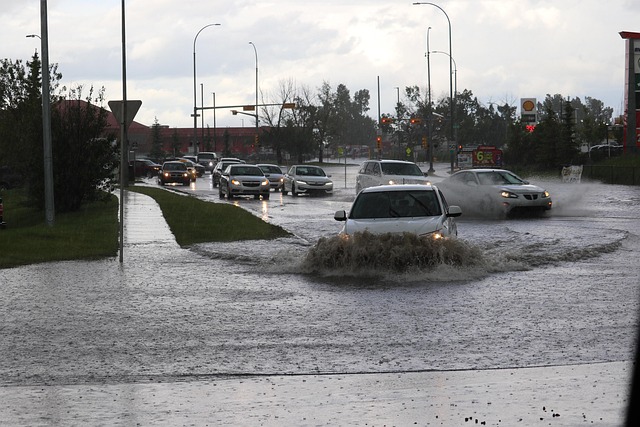
Flood damage repair is a complex process that requires careful planning and professional expertise to ensure your home returns to its pre-flood condition—and even beyond. In the aftermath of catastrophic flooding in North Texas, many homeowners turn to local disaster response teams for assistance. These teams, often composed of experienced professionals like those at Property Restoration of the Capital Region, play a crucial role in restoring damaged homes in Dallas and across North Texas.
The initial step in flood damage repair involves assessing the extent of the damage. This meticulous process includes examining walls, floors, and structures for water intrusion, mold growth, and structural instability. Once the assessment is complete, restoration specialists can begin implementing long-term solutions tailored to each home’s unique needs. Natural disaster recovery often necessitates innovative approaches that prioritize sustainability and environmental friendliness. For instance, using eco-friendly materials and techniques in flood damage repair not only minimizes further environmental impact but also contributes to healthier living spaces for homeowners.
Restoration after catastrophic flooding in North Texas requires a multi-step approach that includes water extraction, decontamination, and rebuilding. Property Restoration of the Capital Region advocates for proactive measures such as installing better drainage systems and waterproof barriers to prevent future damage. By focusing on these long-term solutions, homeowners can mitigate the need for repeated repairs and enhance their homes’ resilience against future flooding events. Regular maintenance and inspections are also vital components in preserving the integrity of structures in areas prone to catastrophic flooding like North Texas.
In addressing urgent flood cleanup services in Seattle, this article has provided a comprehensive guide to managing and repairing flood damage naturally. By understanding Seattle’s unique flooding risks, readers can better prepare for potential disasters. Immediate actions after a flood emphasize safety and preserving valuable items. Assessing flood damage involves careful observation and documentation for effective restoration. Utilizing natural cleaning methods and specialized equipment streamlines the cleanup process. Restoring homes requires long-term solutions to ensure resilience against future events. Key takeaways include proactive preparedness, the importance of quick action, natural restoration techniques, and sustainable repair methods. Armed with these insights, Seattle residents are better equipped to navigate flood damage, restore their properties, and safeguard their communities in the face of such natural occurrences.