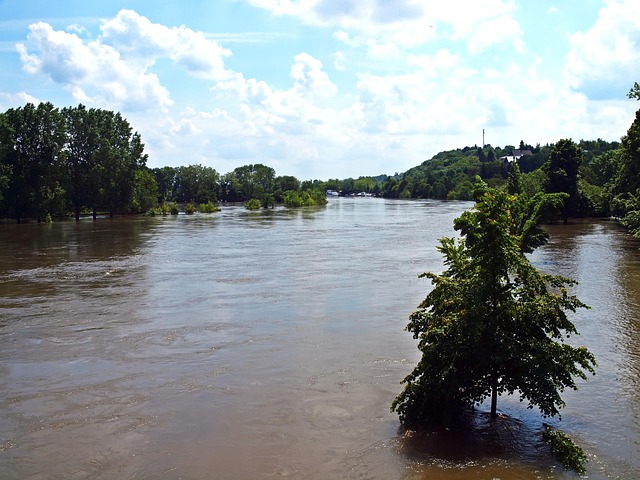





Flooding can devastate homes, causing extensive structural damage, water infiltration, and mold growth. As climate change intensifies storm events, the need for effective and natural flood damage repair has become paramount. Traditional methods often involve toxic chemicals and disruptive processes. However, embracing sustainable and eco-friendly flood damage repair offers a promising solution. This article delves into the latest techniques, focusing on organic materials and natural remediation strategies that not only restore homes but also protect the environment, ensuring a brighter and healthier future for affected communities.
- Assessing Flood Damage: The First Steps
- Natural Solutions for Efficient Repair
- Restoring Your Home: Long-Lasting Solutions
Assessing Flood Damage: The First Steps
Assessing flood damage is a crucial initial step for anyone recovering from a flooding event, whether it’s due to heavy rainfall, hurricanes, or broken pipes. The first 24-48 hours are critical for minimizing further harm and ensuring safe, efficient flood damage repair naturally. Begin by assessing the extent of the water intrusion—visualize the impact on your property, including structural integrity, electrical systems, and valuable possessions. Local water damage restoration near me open late services can provide expertise and equipment to dry out affected areas quickly, preventing mold growth and secondary damage.
For instance, in the aftermath of a Texas flood, homeowners often face significant challenges. The state’s diverse climate makes it prone to severe weather events, leading to widespread flooding. Rebuilding after such disasters requires a systematic approach. Engaging local disaster restoration services DFW can be invaluable, offering not just water damage restoration but also structural repairs and content packing/storage solutions. Property Restoration of the Capital Region, for example, has honed its expertise in navigating these complex situations, providing comprehensive support from initial assessment to final reconstruction.
During this critical phase, document every step and take inventory of damaged items. It’s beneficial to keep records of insurance policies and contact details of restoration professionals handy. Remember that early intervention is key; the faster you begin flood damage repair naturally, the better the chances of restoring your property to its pre-flood condition, minimizing financial and emotional strain.
Natural Solutions for Efficient Repair
Flooding can wreak havoc on homes, leaving behind water damage, mold, and structural issues. While traditional repair methods are common, there are natural solutions that streamline the process, reduce environmental impact, and promote healthier living spaces. One such approach is using eco-friendly materials for rebuilding efforts following a flood in Houston or San Antonio. For instance, applying natural moisture barriers like lime-based renderings or local, sustainable woods can protect against future water intrusion, eliminating the need for chemical-laden products.
Dry out your home after a flood promptly to mitigate mold growth and structural decay. Natural dehumidifiers like salt lamps, clay pebbles, or well-placed houseplants can aid in this process, providing an alternative to energy-intensive machines that may introduce harmful substances into the air. After removing standing water, focusing on thorough cleaning and disinfecting surfaces is crucial, especially in areas prone to mold development like bathrooms and kitchens. San Antonio residents often opt for non-toxic cleaning solutions like vinegar or baking soda mixed with essential oils, which effectively kill bacteria and viruses without leaving behind harsh residues.
For mold removal after a flood, professional services specializing in natural methods can be invaluable. Property Restoration of the Capital Region, for example, employs eco-conscious techniques that eliminate mold without harmful chemicals. These methods include using specialized heating and ventilation systems to dry out affected areas rapidly and applying non-toxic antifungal treatments. By prioritizing natural solutions throughout the flood damage repair process, homeowners can restore their properties while preserving indoor air quality and promoting a healthier environment for their families.
Restoring Your Home: Long-Lasting Solutions
Flood damage repair is a significant process that requires careful consideration to ensure your home is restored safely and effectively. When facing the aftermath of flooding, it’s crucial to understand that long-lasting solutions go beyond immediate cleanup. Natural approaches to flood damage repair not only benefit the environment but also provide durable results for your property in San Antonio, Dallas, or Houston. Engaging local flood cleanup professionals with expertise in sustainable practices is a wise step.
Property Restoration of the Capital Region and other trusted experts emphasize the importance of thorough assessment and planning before beginning repairs. This involves identifying affected areas, assessing structural integrity, and determining the extent of water damage. Once these steps are completed, a tailored restoration plan can be implemented. For instance, using natural materials and methods during rebuilding can reduce environmental impact while enhancing resilience against future flooding events. In Houston, where frequent storms pose challenges, adopting flood-resistant building techniques is vital for long-term protection.
The process of restoring damaged homes in Dallas or San Antonio involves multiple stages. Initial cleanup includes removing standing water and drying out the structure to prevent mold growth. Afterwards, professionals address structural repairs, decontaminate affected areas, and replace damaged materials. Local flood cleanup specialists can guide homeowners through this journey, offering 24/7 support for emergency situations. They employ advanced equipment and techniques to ensure efficient restoration while adhering to industry standards and best practices. For example, using eco-friendly cleaning agents and sustainable building materials can contribute to a healthier living environment without compromising on quality or durability.
In addition to traditional restoration methods, some professionals are leveraging innovative technologies and natural solutions. These include water-based cleaning techniques, biodegradable products, and environmentally friendly insulation options. By embracing these advancements, homeowners can achieve high-quality repairs while minimizing their ecological footprint. Restoring your home after flood damage is a multifaceted endeavor that demands both technical proficiency and a commitment to sustainable practices. Engaging with reputable local professionals ensures a comprehensive, lasting solution for your property’s recovery.
After assessing flood damage and exploring natural solutions for efficient repair, it’s clear that a holistic approach combining quick response with long-lasting, environmentally friendly methods is key to successful home flooding repairs. By prioritizing safety, protecting valuable belongings, and choosing sustainable materials, homeowners can not only restore their properties but also enhance their resilience against future events. Incorporating natural flood damage repair techniques offers not only cost-effective solutions but contributes to a greener environment, ensuring a brighter, more sustainable future for all.
Flood Damage Repair: Natural Approaches for Safe, Efficient Recovery
Quick action within 24-48 hours minimizes further damage after flooding events. Key steps include assessing water intrusion, engaging local restoration services, documenting damage, and focusing on prompt drying to prevent mold. For natural solutions, eco-friendly materials and methods are employed in rebuilding efforts, reducing environmental impact and promoting healthier living spaces. This includes using natural moisture barriers, dehumidifiers, non-toxic cleaning solutions, and professional services specializing in mold removal with non-harmful techniques. Thorough assessment, planning, and tailored restoration plans ensure durable results while adopting sustainable practices for flood damage repair.