




Swift, natural flood damage repair involves initial assessment, quick water extraction, drying, and dehumidification to prevent mold. Professional services like Property Restoration are crucial in severe cases, utilizing advanced tech for efficient water removal and minimizing long-term risks. Natural methods, such as absorbent materials, sunlight, ventilation, and strategic fan placement, enhance eco-friendly practices. In San Diego, these strategies are vital for areas prone to flooding. Prompt action within 48 hours, including disinfection and thorough drying, ensures a safe, hygienic space. Long-term prevention includes foundation reinforcement, proper drainage, regular inspections, and quick mold removal.
In the bustling San Diego landscape, flood damage is an unfortunate yet recurring concern. Rapid water removal is not just a service—it’s a vital component of effective flood damage repair naturally. Prompt intervention can significantly mitigate secondary damages, saving both property and memories. We bring expertise to bear on this critical issue, offering comprehensive solutions tailored for the unique challenges of San Diego’s climate and terrain. Understanding that every minute counts, our team is dedicated to providing swift, efficient, and environmentally friendly water removal services, ensuring your home or business returns to normal as quickly as possible.
- Understanding Same-Day Water Removal in San Diego
- Flood Damage Assessment: First Steps After a Deluge
- Natural Solutions for Efficient Water Extraction
- The Role of Professional Restoration Services
- Restoring Your Home: Post-Flood Cleaning Tips
- Preventing Future Flood Damage: Long-Term Strategies
Understanding Same-Day Water Removal in San Diego
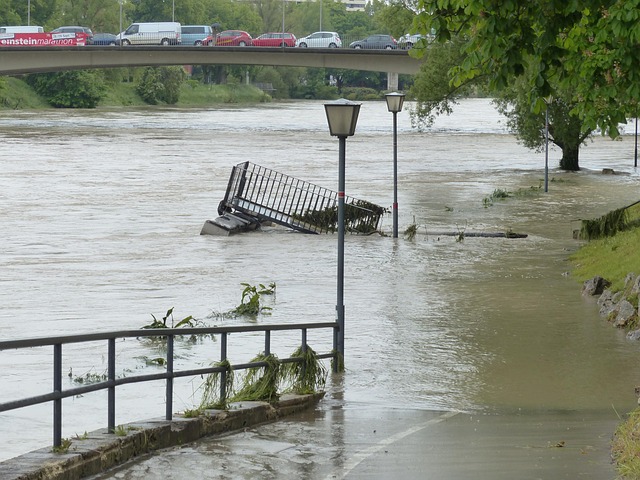
Same-day water removal is a critical component of flood damage repair, particularly in areas prone to severe weather events like San Diego, California. When homes experience flooding, whether from storms or nearby rivers overflowing their banks, quick action is essential to minimize damage and facilitate a swift recovery. This process involves a coordinated effort between property owners, insurance companies, and specialized restoration services. In San Diego, where flooding can be both unexpected and severe, understanding the intricacies of same-day water removal is paramount for effective flood damage repair naturally.
The first step in same-day water removal is assessing the extent of the flooding. Experts from Property Restoration of the Capital Region use advanced tools and techniques to gauge water levels and identify affected areas within the home. Once assessed, specialized equipment is deployed to extract standing water promptly. This not only prevents further damage but also reduces mold growth and other secondary issues that can arise from stagnant water. In cases like those seen during recent severe flooding in San Antonio and Dallas, where homes were submerged for extended periods, quick response times are crucial. Rebuilding after a Texas flood requires immediate action, and same-day water removal plays a pivotal role in restoring damaged homes in Dallas and beyond.
After extraction, the restoration process continues with thorough drying and dehumidification. This step is critical to prevent structural damage and ensure a healthy living environment for future occupants. Restoration professionals use advanced drying techniques and monitor humidity levels until they reach safe, pre-flood conditions. By implementing these measures, homes in San Diego can be restored to their pre-flood condition, ensuring families can return to their homes safely and comfortably. As seen in the aftermath of Texas floods, where Property Restoration of the Capital Region has been called upon to assist in rebuilding efforts, prompt and effective same-day water removal is a game changer in restoring homes after severe flooding.
Flood Damage Assessment: First Steps After a Deluge
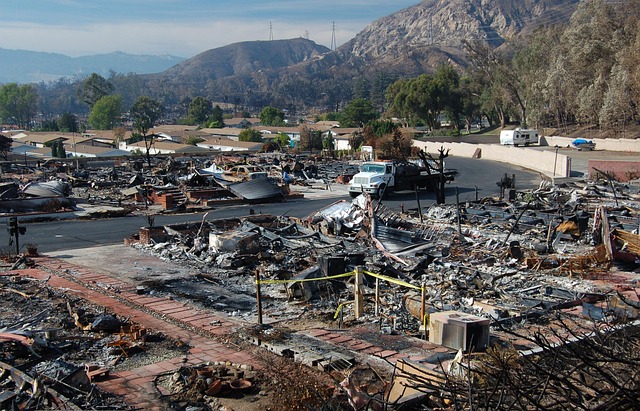
After a deluge or flood, the first steps towards damage assessment are critical to mitigate further loss. Flood damage repair starts with a thorough evaluation of the extent of water intrusion and its effects on your property. In cities like San Diego, CA, where flooding can be sporadic but severe, homeowners must act swiftly. Begin by ensuring everyone’s safety outside the affected area. Then, document the damage: take photos or videos of saturated areas, mold growth (if visible), and structural integrity concerns.
This initial assessment informs subsequent flood damage repair strategies. Prioritize tasks to prevent secondary damages like mold growth—a common concern after water-logged environments. In cities like Houston and San Antonio, where flooding is more frequent, residents should already be adept at rapid response. For instance, moving valuable items to higher levels and sealing off electrical panels can protect against power surges and potential fires sparked by water damage.
While professional flood damage repair services are invaluable for extensive or complex cases, homeowners can implement some natural mold prevention tips after water damage. Products like lemon juice or vinegar, known for their antimicrobial properties, can be used to clean surfaces before drying them thoroughly. In the Capital Region, Property Restoration of the Capital Region experts emphasize the importance of proper drying within 24-48 hours to inhibit mold growth. This proactive approach, coupled with professional assistance when needed, ensures efficient flood recovery and minimizes long-term structural and health risks associated with water damage.
Natural Solutions for Efficient Water Extraction
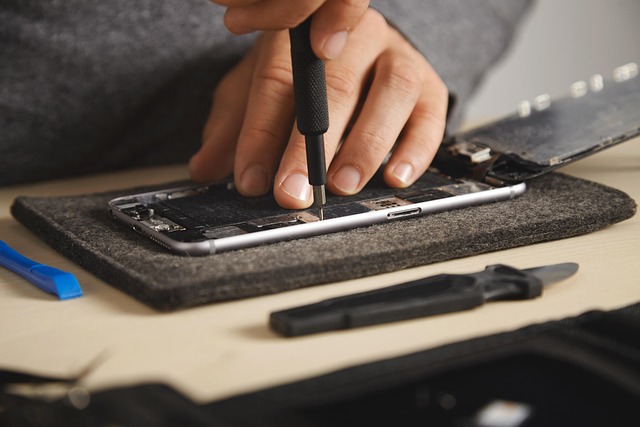
In the aftermath of a flood, many San Diego residents turn to professional disaster restoration services like those offered locally by Property Restoration of the Capital Region to restore their homes and properties. While traditional methods for water removal are effective, incorporating natural solutions can significantly enhance efficiency and promote eco-friendly practices. For instance, using absorbent materials like clay or sand to soak up excess water is a centuries-old technique that not only reduces water damage but also minimizes environmental impact.
Additionally, leveraging the power of nature’s resources such as sunlight and ventilation accelerates the drying process. Opening windows and doors allows warm air to circulate, evaporating moisture faster than artificial means. Similarly, placing fans strategically can help draw out remaining humidity, speeding up flood damage repair naturally. These methods not only save time and money but also reduce the need for harsh chemicals often used in conventional cleaning processes.
For areas like Houston, which frequently face severe flooding, adopting these natural flood recovery tips can be invaluable. Professional flood damage repair services in Houston have long recognized the benefits of using natural solutions alongside more traditional techniques. By prioritizing eco-friendly practices, Houston residents can not only restore their homes but also contribute to a healthier environment post-disaster. For instance, Property Restoration of the Capital Region has successfully implemented these methods, demonstrating that efficient water extraction and flood damage repair can go hand in hand with sustainability.
The Role of Professional Restoration Services

When facing flood damage, prompt and professional intervention is crucial for minimizing losses and ensuring a swift recovery. In San Diego, CA, where natural disasters can occur unexpectedly, having access to reliable restoration services can make all the difference. Property Restoration of the Capital Region stands as a beacon of expertise in this domain, offering comprehensive solutions tailored to address flood damage repair naturally while prioritizing the safety and well-being of residents.
The impact of water intrusion is multifaceted, affecting not only physical structures but also personal belongings and the overall health of affected areas. Professional restoration companies, such as those operating in Houston, Dallas, and San Antonio, are equipped with advanced technology for effective water extraction—a critical first step in flood damage repair. They employ specialized equipment to remove standing water swiftly, preventing mold growth and structural deterioration. Moreover, these experts understand the intricate processes involved in drying out affected spaces, utilizing state-of-the-art dehumidifiers to ensure every inch of the property is thoroughly dried.
Beyond water removal, restoration companies play a pivotal role in flood recovery by providing specialized services like content cleaning, odor removal, and even structural repairs. For instance, a recent study revealed that prompt professional intervention can reduce the cost of flood damage repair by up to 40%. By enlisting local flood cleanup professionals like those in San Antonio, property owners can benefit from expertise tailored to their specific needs, ensuring a successful recovery journey without the added stress of dealing with extensive water damage on their own.
Restoring Your Home: Post-Flood Cleaning Tips
After a flood, restoring your home isn’t just about cleaning up water—it’s about meticulous post-flood cleaning and restoration techniques that prevent mold growth, protect your health, and preserve your property’s value. The first 24 to 48 hours are critical for flood damage repair naturally. Begin by removing accessible standing water with pumps or mops, focusing on areas where moisture has seeped into walls, ceilings, and floors. Next, use a mixture of one cup of bleach to four gallons of water to disinfect surfaces, killing bacteria and viruses that can thrive in flooded environments.
For severe cases, consider enlisting the help of expert flood cleanup professionals, such as those found through local disaster response teams in North Texas or specialized services like Property Restoration of the Capital Region in Austin. These pros bring advanced equipment and knowledge to effectively extract water, dry out structures, and mitigate mold growth, which can cause significant health issues if left unchecked.
Once the immediate cleaning is complete, thorough drying is essential. Use fans, dehumidifiers, and heaters strategically placed throughout your home to expedite the drying process. Monitor humidity levels with a hygrometer until they reach safe, pre-flood levels (typically around 30-50% relative humidity). Remember that certain materials—like wood, drywall, and insulation—may need professional restoration or replacement if severely damaged, especially in homes where floodwaters were contaminated with dirt, debris, or even sewage.
In the aftermath of a flood, it’s crucial to document the damage for insurance claims and potential home renovation post-flood efforts. Take before-and-after photos, keep records of removed items, and communicate openly with your insurance provider. This meticulous approach ensures that every aspect of the restoration process is well-planned and executed, leading to a safe, hygienic, and restored living space.
Preventing Future Flood Damage: Long-Term Strategies
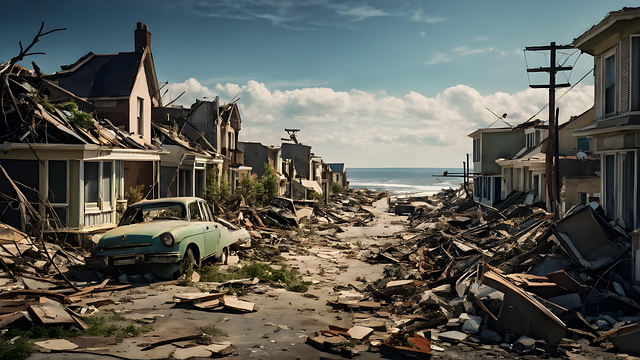
Preventing future flood damage is a critical aspect of flood damage repair, offering long-lasting solutions to protect homes and properties in San Diego, CA, particularly after devastating floods. While immediate response and emergency services are vital, proactive measures can significantly minimize repeat flooding and its associated costs, including extensive repairs and potential health risks from mold and mildew growth.
One effective strategy is implementing home renovation post-flood practices that enhance structural integrity and resilience. This includes raising or reinforcing critical components like foundations, especially in areas prone to rising water levels. For instance, in North Texas, restoration experts have successfully used advanced flooding mitigation techniques, such as elevated foundation systems, to safeguard homes against recurring flood damage. Similarly, San Diego residents can benefit from these insights, adapting their properties to better withstand environmental challenges.
Moreover, proper drainage and landscaping play a crucial role in flood prevention. Redirecting water away from buildings through strategic grading and installing effective drainage systems reduces the risk of basement flooding and other water-related issues. Additionally, removing debris and vegetation that can obstruct natural water flow is essential. After a flood, it’s also important to address mold and mildew removal promptly to prevent health complications and further damage. Professional restoration services, like those offered by Property Restoration of the Capital Region, specialize in thorough cleaning and decontamination, ensuring a safer environment post-flood.
Regular maintenance and inspections are key to identifying potential vulnerabilities before they lead to significant flood damage. Homeowners should keep records of renovation work and updates, especially regarding drainage systems and flood protection measures. By adopting these long-term strategies, San Diego residents can minimize the impact of future floods, ensuring their properties remain resilient and safe.
In conclusion, this article has provided a comprehensive guide to managing and repairing flood damage in San Diego, CA, emphasizing both immediate response and long-term prevention. Key insights include the importance of rapid same-day water removal for minimizing damage, with natural solutions like absorbent materials and evaporation techniques offered as efficient alternatives. Professional restoration services are highlighted as crucial for thorough flood damage repair naturally, while post-flood cleaning tips ensure a safe and effective recovery process. Additionally, implementing strategic long-term strategies to prevent future flood damage is emphasized, empowering readers to protect their homes and invest in resilience. Through this authoritative exploration, homeowners now possess valuable knowledge to navigate flood damage scenarios confidently and effectively.