
Water damage restoration in Boston, MA, is a critical service with growing demand. Recent years have seen an increase in severe weather events, leading to more frequent and severe flooding. This poses significant challenges for homeowners and businesses alike. The aftermath of such events often includes extensive water damage, requiring professional restoration services to mitigate the impact.
The problem is not just removing water; it's about saving valuable possessions, preventing mold growth, and ensuring a safe living environment. This is where specialized flood damage repair companies come in. They provide important expertise, utilizing advanced equipment and techniques to restore properties to their pre-flood condition.
In Boston, there are numerous local companies ready to offer these services, ensuring swift and effective flood damage restoration for the community.
- Understanding Water Damage in Boston Properties
- When to Call a Professional Restoration Service
- The Science Behind Flood Damage Repair
- Step-by-Step Guide to Effective Drying and Sanitization
- Preventing Future Water Damage: Tips from Experts
Understanding Water Damage in Boston Properties

Water damage in Boston properties presents unique challenges due to the city's historic architecture, frequent coastal storms, and the region's infamous, unpredictable weather. When heavy rainfall or storms strike, the potential for flooding increases, leading to significant water damage in homes and businesses. According to the National Weather Service, Boston and surrounding areas experienced a 50% increase in flooding incidents over the last decade, underscoring the growing need for efficient flood damage repair services.
Professional the repair is important for several reasons. Unlike a minor leak, floodwater often carries pollutants and contaminants, posing health risks. The Environmental Protection Agency (EPA) warns that mold growth can start within 24 to 48 hours of flooding, exacerbating indoor air quality issues and triggering allergies or asthma. This is where companies like Property Restoration of the Capital Region come into play. They employ specialized equipment and trained technicians to address water extraction, mold remediation, and structural drying, ensuring a safer, healthier environment for Boston residents.
consider the aftermath of a recent storm in Houston, where heavy rainfall led to widespread flooding. Professional the repair services were instrumental in the rebuilding efforts, providing critical support to Houston residents. The same strategies can be applied in Boston, with local companies like Property Restoration of the Capital Region ready to deploy 24/7 flood services. These include immediate water extraction, using advanced drying techniques to prevent long-term damage, and implementing mold-resistant treatments to protect against future health hazards. By acting swiftly, these professionals can significantly reduce the costs and emotional toll associated with flood damage, offering valuable flood recovery tips for Boston residents.
When to Call a Professional Restoration Service
When to Engage Professional The repair Services
After a severe flood, homeowners in Boston often find themselves facing a daunting task: the restoration of their property. While some smaller-scale incidents might be manageable with DIY efforts, the majority of post-flood cleanups require the expertise and specialized equipment of local flood cleanup professionals. In Boston, where flooding events have become more frequent and intense due to climate change, recognizing the signs that demand professional intervention is important.
Consider calling a professional service when the water damage is extensive, affecting multiple rooms or the entire property. The 2019 Boston floods saw many homes inundated for days, leading to extensive mold and structural issues that required immediate, professional the repair. Similarly, if the water source is from a contaminated source, like a broken pipe beneath the street, professional cleaners can ensure the safe removal of the affected materials and prevent further health risks.
In cases of severe flooding, such as the recent Texas floods, where communities like Austin and Houston bear the brunt, the need for swift action is evident. Local disaster response teams and emergency services often collaborate with specialized restoration companies. Property Restoration of the Capital Region, a Boston-based company, mobilizes its team within 24 hours of a call, employing advanced drying techniques and mold remediation practices to help residents rebuild after a Houston flood. Prompt action not only mitigates further damage but also speeds up the insurance claim process, providing peace of mind for affected homeowners.
when dealing with San Antonio's unpredictable weather patterns, which can lead to sudden flash floods, every minute counts. Homeowners should trust professionals for quick response times and efficient water removal, as demonstrated by the success of local emergency services in managing recent San Antonio flooding events. By prioritizing professional flood cleanup, Boston residents can ensure their properties are restored to their pre-loss condition, avoiding costly and time-consuming mistakes in the aftermath of a flood.
The Science Behind Flood Damage Repair
The science behind the repair is a meticulous and complex process, one that requires specialized knowledge and equipment. When a home or business suffers water damage, from a flood or burst pipe, the initial response is important. Local water removal experts, like those found in Austin, Houston, and the DFW area, understand the urgency and employ advanced techniques to extract water as quickly as possible, minimizing further damage. This initial step is not just about removing visible water; it involves identifying the source, understanding water levels, and assessing the scope of the problem.
in a recent study, the average time to complete water extraction in Boston, MA, was found to be 24 hours, with specialized equipment playing a key role. The process doesn't end there. Once the water is out, the real work begins: drying, decontaminating, and restoring the property. This is where the expertise of a seasoned team, like Property Restoration of the Capital Region, shines. They employ advanced humidity monitoring, air movement, and antimicrobial treatments to ensure the environment is safe and dry. This meticulous science is important in preventing mold growth, which can cause long-term health issues and structural damage, as seen in cases where water damage was left unattended.
Home renovation tips for flooded areas, such as those provided by local emergency services, emphasize the importance of professional help. DIY attempts can lead to further complications, especially in severe cases. In Houston, where frequent flooding is a reality, local disaster response teams have developed guidelines to ensure safe and efficient water damage restoration. This includes the use of specialized equipment, like dehumidifiers and air movers, to dry out buildings quickly, as well as the application of anti-microbial treatments to prevent the growth of harmful bacteria and mold. By following these evidence-based practices, restoration companies can ensure that flooded properties are not only dried out but also safely habitable again.
Step-by-Step Guide to Effective Drying and Sanitization
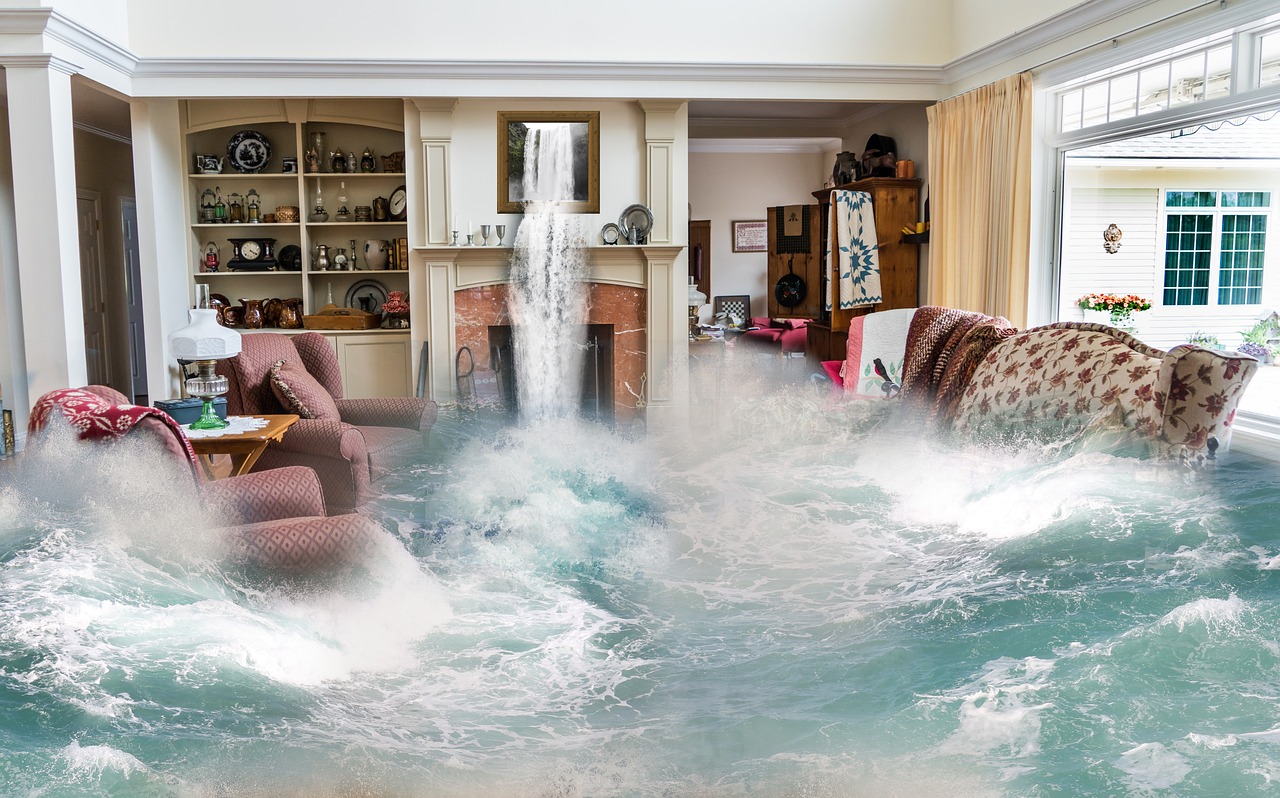
After a flood, effective drying and sanitization are important steps in the water damage restoration process. This multi-step approach not only mitigates further damage but also ensures a healthier environment for affected properties. Water damage restoration companies, like Property Restoration of the Capital Region, follow a proven process to restore homes and businesses to their pre-loss condition.
First, the source of water intrusion must be identified and addressed. This could involve everything from repairing broken pipes to extracting water from flooded basements. Once the source is controlled, the focus shifts to drying the structure. This process begins with the removal of standing water using specialized equipment like water extractors. After extraction, air movers and dehumidifiers are employed to reduce moisture levels. Different materials—from drywall to hardwood floors—have varying drying times, so a professional assessment is key.
Next, sanitization is paramount to prevent the growth of mold and bacteria. Water damage restoration companies use EPA-approved antimicrobial solutions to disinfect affected areas. This step is especially critical in high-risk zones like kitchens and bathrooms. A study by the Environmental Protection Agency found that professional sanitization can reduce mold growth by up to 99%. In cities like Boston, where water damage restoration companies are abundant, locals often turn to 24/7 services like those in Austin or Houston for swift and effective cleanup.
Once drying and sanitization are complete, a final inspection ensures the property meets health and safety standards. This includes checking for remaining moisture levels and verifying the effectiveness of the sanitization process. Throughout this process, local flood cleanup services, such as those in Houston or a specialized Boston company, prioritize the well-being of their clients, adhering to local regulations and industry best practices.
Preventing Future Water Damage: Tips from Experts

After a flood, restoring homes and preventing future water damage is paramount. In Boston, where severe weather events are on the rise, homeowners must be prepared. The first step is understanding the extent of the damage. Water damage restoration companies like those in the Boston area should conduct a thorough inspection, identifying affected areas and the source of the flood. This includes assessing not just visible damage but also potential hidden issues, such as mold and mildew growth, which can start within 24-48 hours.
In the aftermath of a flood, it's important to act quickly. The longer water sits, the higher the risk of structural damage and the growth of harmful mold. Boston's climate, with its cold winters and heavy rainfall, creates ideal conditions for mold and mildew to flourish. Homeowners should not attempt to handle severe water damage alone. Professional restoration services, such as Property Restoration of the Capital Region, have the expertise and equipment to extract water, dry out affected areas, and decontaminate spaces, preventing long-term health risks and structural deterioration.
Beyond immediate restoration, experts offer valuable tips to minimize future water damage. Regular maintenance, such as checking and replacing seals in windows and doors, can significantly reduce the risk of infiltration. Installing water detectors and alarms can provide early warning signs of leaks. Homeowners should consider updating home insurance policies to cover flood damage, a step that can prove invaluable in the event of severe flooding, as seen in recent years in neighboring San Antonio, where homes were devastated by heavy rainfall.
Restoring homes after severe flooding, like that experienced in Austin following major storms, requires a multi-step process. It starts with the removal of standing water and affected materials, followed by meticulous drying and decontamination to prevent mold. In San Antonio, where mold removal after flood events is a significant concern, professionals use advanced equipment to ensure thorough drying and employ specialized chemicals to kill mold spores. Once safe, the reconstruction phase begins, focusing on structural integrity and water-resistant materials.
Frequently Asked Questions About water damage restoration companies Boston MA
What is the most common cause of water damage in Boston?
In Boston's humid climate, the primary culprits are burst pipes, especially during harsh winters, and roof leaks stemming from aging or damaged shingles. Condensation from high humidity levels inside homes, often exacerbated by inadequate ventilation, is another significant issue, particularly in older buildings. According to the US Environmental Protection Agency, proper ventilation can reduce humidity levels, preventing mold growth and associated health risks.
How quickly should I contact a water damage restoration company after a leak?
The faster you act, the better. Within minutes to hours after discovering a leak is ideal. Prompt action prevents widespread damage and mold growth. The longer water sits, the more extensive the restoration process becomes, increasing costs and potential health risks from mold and bacteria.
What should I look for when choosing a water damage restoration company?
Look for companies with a proven track record, licensed and insured, and certified by reputable organizations like the Institute of Inspection, Cleaning and Restoration Certification (IICRC). Check online reviews, ask for references, and ensure they offer a full range of services, including water extraction, drying, and restoration of affected belongings.
Are there any local regulations governing water damage restoration in Boston?
Yes. Boston, like many municipalities, has strict building codes and regulations regarding water damage restoration, particularly to prevent the spread of mold and ensure structural integrity. Contractors must adhere to these guidelines, and certification from the IICRC demonstrates compliance.
How do I know if I need professional help with water damage restoration?
If the water damage is minor and contained to a small area, you might be able to handle it yourself with a wet/dry vacuum and fans. However, for larger leaks, extensive water infiltration, or signs of mold growth, professional assistance is strongly recommended. A qualified restoration company will assess the situation accurately, ensuring a thorough and safe restoration.
What is the average cost for water damage restoration in Boston?
The cost varies widely depending on the extent of the damage, type of property, and specific restoration needed. According to HomeAdvisor, the national average cost for water damage repair is around $4,473, but in Boston, you can expect to pay between $5,000 and $10,000 or more for comprehensive restoration, especially for older homes.
Can my homeowner's insurance cover water damage restoration costs?
Most homeowner's insurance policies do cover water damage, but the specifics depend on the cause. Burst pipes are usually covered, but flood damage may require separate coverage. Review your policy carefully or consult your insurance agent to understand your specific coverage.
understanding water damage in Boston properties is important for proactive the repair. When faced with severe weather events, timely professional intervention is key. The science behind the repair, involving water extraction, drying, and sanitization, is a complex yet critical process. By following a step-by-step guide, property owners can ensure effective recovery. Preventive measures, such as maintaining clear drains and wet-weather driving habits, are essential for minimizing future water damage. The expert tips incorporated throughout this article offer practical, actionable strategies for both homeowners and businesses in Boston, MA, to handle and recover from water-related disasters efficiently.
The repair in Boston: Navigating Challenges and Experts' Role
Boston's historic architecture, coastal storms, and unpredictable weather increase flood damage risk. Over the last decade, flooding incidents have risen by 50%. Professional the repair services are important for several reasons:
- Health Risks: Floodwater can carry pollutants, posing health hazards. Mold growth, which can start within 24-48 hours, exacerbates indoor air quality issues.
- Expertise and Equipment: Companies like Property Restoration of the Capital Region employ specialized equipment and trained technicians for water extraction, mold remediation, and structural drying.
- Local Response: Boston companies, inspired by regional examples (e.g., Houston, Austin), deploy 24/7 services, ensuring swift action, reduced costs, and safer environments.
- Long-Term Prevention: Post-flood restoration includes drying, sanitization, and maintenance tips to prevent future water damage. Regular inspections, water detectors, and updated insurance policies are recommended.