






Flood damage repair naturally is a critical step for communities recovering from frequent flooding events in regions like Washington, Texas, and Austin. Local professionals emphasize thorough assessments including structural integrity checks, moisture source identification, and environmental hazard assessment. Green restoration techniques, such as using non-toxic cleaners, improved ventilation, and eco-friendly materials, lead to quicker recovery times and better long-term outcomes for properties and residents. Efficient water removal using high-efficiency systems and air movement with fans is crucial for Dallas homes to prevent mold growth and structural damage. Rebuilding involves cleaning, sanitizing, repairing/replacing damaged structures while maintaining indoor humidity between 30%–50%. Expert guidance ensures safe, healthy homes after flood damage repair naturally in cities like San Antonio and Dallas where flooding is common.
In the face of unexpected weather events, swift and effective local emergency water removal services play a pivotal role in mitigating damage to properties and restoring communities. Floods, whether from intense rainfall or rising rivers, can leave behind substantial water accumulation, leading to various issues including structural damage, mold growth, and health hazards. Traditional flood damage repair often involves chemical-laden processes that raise environmental concerns. However, there’s a growing trend towards natural, eco-friendly solutions, such as employing absorbents and specialized drying techniques, to address flood damage repairs in Washington locales effectively while minimizing ecological impact. This article delves into these innovative approaches to local emergency water removal, highlighting their benefits for both property owners and the environment.
- Assessing Flood Damage: The Natural Approach
- Efficient Water Removal Techniques for Homes
- Restoring Your Space: Post-Flood Repair Tips
Assessing Flood Damage: The Natural Approach
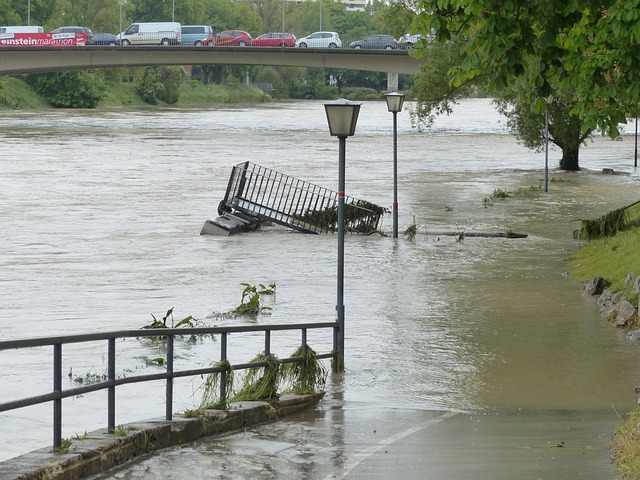
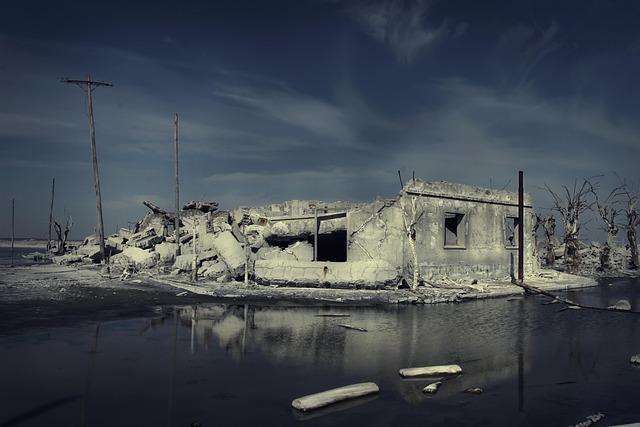
Assessing flood damage naturally is a crucial step in the recovery process for any community affected by this devastating phenomenon. In regions like Washington, Texas, and Austin, where flooding events are common, understanding how to navigate flood damage repair organically is an invaluable skill. Fast flood damage restoration near me and home renovation post-flood efforts can be streamlined by adopting natural approaches that not only minimize environmental impact but also foster community resilience.
The initial step in any disaster restoration service, whether in the DFW (Dallas/Fort Worth) area or beyond, should be a thorough assessment. Local professionals like Property Restoration of the Capital Region emphasize the importance of evaluating every aspect of flood damage naturally. This includes inspecting structural integrity, identifying sources of moisture, and assessing potential environmental hazards. For instance, in post-flood Austin, homeowners might discover mold growth due to prolonged water presence—a problem that requires natural solutions for safe and effective removal.
Natural methods for flood damage repair involve strategies such as using non-toxic cleaning agents, implementing improved ventilation systems, and employing eco-friendly materials during renovation. These practices not only support a healthier living environment but also contribute to the overall sustainability of affected communities. Data suggests that adopting green restoration techniques can lead to quicker recovery times and better long-term outcomes for both properties and residents. By prioritizing natural flood damage repair, local disaster restoration services can play a pivotal role in revitalizing areas post-flooding, fostering a more resilient and environmentally conscious community.
Efficient Water Removal Techniques for Homes

In the aftermath of a flood, efficient water removal techniques are paramount to mitigate damage and expedite recovery for Dallas homes. The initial step in the flood damage repair process involves rapid and thorough extraction of standing water to prevent further complications. Excess moisture can lead to mold growth, structural deterioration, and unpleasant odors—all of which require specialized equipment and expertise to address effectively. For instance, high-efficiency water removal systems equipped with powerful pumps and dehumidifiers can significantly reduce drying time and minimize secondary damage.
One effective strategy for flood damage repair naturally is employing air movement and ventilation. Fans and dehumidifiers work in tandem to expedite the evaporation process, reducing moisture levels quickly. This not only aids in water removal but also helps prevent mold prevention after water damage in Dallas homes. Property Restoration of the Capital Region emphasizes the importance of using fans strategically placed in affected areas to draw out damp air and replace it with dry, filtered air. Additionally, restoring damaged homes in Dallas often involves removing porous materials like carpeting and drywall that have absorbed water, as they can be challenging to fully dry and sanitize without specialized equipment.
After water removal, the process of rebuilding after a Texas flood requires careful consideration. Restoring damaged homes involves a multi-step approach, including cleaning, sanitizing, and repairing or replacing affected structures. It’s crucial to address mold prevention after water damage in Dallas by conducting thorough inspections and implementing appropriate remediation techniques. The American Conference of Governmental Industrial Hygienists (ACGIH) recommends keeping indoor moisture levels between 30% and 50% relative humidity to inhibit mold growth. Property Restoration of the Capital Region offers expert guidance in this regard, ensuring that homes not only look their best but are also safe and healthy for residents upon completion of rebuilding efforts.
Restoring Your Space: Post-Flood Repair Tips
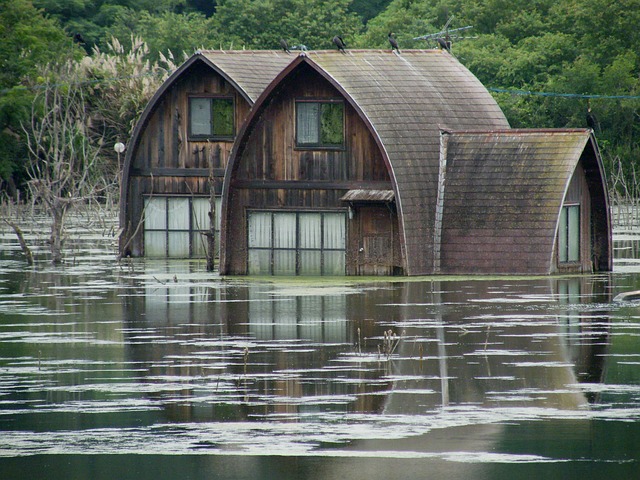
Floods can wreak havoc on homes, leaving behind damage that may seem insurmountable. However, with proper guidance, restoring your space post-flood is achievable. The key lies in understanding the process of flood damage repair naturally and efficiently, focusing on both structural integrity and minimizing environmental impact. In cities like San Antonio and Dallas, where flooding events are not uncommon, knowing how to get your home back to normal after a flood is crucial.
The first step in restoring your home post-flood involves assessing the extent of the damage. Check for water intrusion, structural weaknesses, and potential mold growth. It’s essential to act swiftly; according to industry reports, immediate action within 48 hours can prevent long-term issues like extensive wood rot and mold infestation. In the event of severe flooding, professional assistance from trusted property restoration services like Property Restoration of the Capital Region is highly recommended. They bring specialized equipment and expertise to handle complex situations.
Once the initial assessment is complete, the restoration process begins. Start by removing all affected items—furniture, carpets, electronics—and dispose of them properly. Then, dry out your space using dehumidifiers and fans. This step is critical in preventing mold growth and ensuring a healthier environment post-flood. After drying, begin the cleanup and decontamination. Use non-toxic cleaning agents for surfaces and consider natural remedies like vinegar for hard surfaces. For damaged structures, such as walls and floors, experts recommend repairing or replacing them to ensure stability and longevity. In Dallas, many homeowners opt for eco-friendly restoration methods, aligning with the growing trend of sustainable practices.
Finally, once the physical repairs are complete, focus on restoring peace of mind. Reorganize your space, bring in fresh air, and create a welcoming atmosphere. Remember that getting your home back to normal after a flood is a gradual process. By following these steps—from assessment to cleanup and final restoration—you’ll be well on your way to reclaiming your space naturally and effectively.
Through this article, readers have gained invaluable insights into managing local emergency water removal, specifically focusing on flood damage repair naturally. Key takeaways include the importance of assessing flood damage using sustainable methods, employing efficient water removal techniques tailored for homes, and following post-flood repair tips to restore spaces effectively. By adopting these practices, homeowners can not only mitigate immediate harm but also contribute to long-term environmental health. The article’s authority lies in its comprehensive coverage, offering practical steps that are both effective and eco-conscious, ensuring readers are equipped to handle flood damage repairs naturally.