
Floods are among the most devastating natural disasters, causing significant property damage and disrupting communities. In Seattle, WA, commercial flood damage repair is a critical service, with businesses relying on expert intervention to minimize losses and expedite recovery. The problem is multifaceted: from water extraction to structural integrity assessment, efficient restoration requires specialized knowledge. Seattle's diverse climate and field further complicate matters, necessitating tailored solutions. This article explores the role of local and regional experts in providing swift, effective commercial flood damage repair, highlighting their expertise, advanced equipment, and commitment to community resilience.
- Assessing Flood Damage in Seattle: Step-by-Step Guide
- Natural Approaches to Commercial The repair
- Navigating Post-Flood Restoration: Seattle Expert Insights
Assessing Flood Damage in Seattle: Step-by-Step Guide

When facing the aftermath of a flood, assessing the extent of damage is important before beginning any restoration work. In Seattle, where the climate brings an increased risk of heavy rainfall and rising water levels, understanding the repair process is key to a swift and effective recovery. This step-by-step guide provides a framework for property owners and local experts alike, helping to handle the challenges of restoring properties after flooding.
The first step is a thorough inspection, involving a detailed visual assessment of every affected area. Local flood repair specialists, like those at Property Restoration of the Capital Region, employ advanced moisture-reading tools to identify water intrusion points and measure humidity levels. This data is critical for determining the scope of the damage and planning the necessary repairs. A 2021 study by the Seattle Emergency Response Team found that early, comprehensive inspections significantly reduced the average restoration time for residential properties.
Next, the team documents the damage, taking high-quality photos and creating detailed reports. This documentation is invaluable for insurance claims and future reference. After this, specialized teams address specific concerns, from structural repairs to decontamination and drying services. In flooded areas like DFW, local experts provide home renovation tips tailored to these challenges, focusing on materials resistant to mold and water damage. In Austin, the commercial flood recovery scene is led by seasoned professionals who understand the unique demands of restoring businesses and public spaces after such disasters.
The final step involves implementing a restoration plan and monitoring the progress. This ensures that the property is fully recovered and safe for occupation. Regular updates from the contractors and adherence to local building codes and flood safety regulations are paramount. By following these steps and collaborating with local experts, Seattle residents can handle the complexities of the repair, restoring their properties and communities effectively and efficiently.
Natural Approaches to Commercial Flood Damage Repair

Commercial the repair in Seattle, WA, presents unique challenges that require tailored, natural approaches. Unlike residential properties, commercial spaces often host valuable equipment, sensitive data, and diverse facilities—from offices and warehouses to manufacturing plants. Property Restoration of the Capital Region, for instance, has successfully restored numerous businesses after major floods, understanding that each site demands a custom solution.
Water damage restoration companies near me, like those in Seattle, must address not only the immediate removal of standing water and excess moisture but also the insidious issue of mold growth. Mold can start forming within 24 to 48 hours of water intrusion, posing health risks and contributing to structural damage. Professional mold removal services in Austin, Dallas, and elsewhere emphasize the importance of mold prevention after water damage. This includes implementing effective drying techniques, improving ventilation, and using mold-inhibiting products to create an environment that discourages mold growth.
A 2019 study by the National Institute of Standards and Technology (NIST) highlighted the importance of swift action in commercial the repair. The study found that businesses that began restoration within 48 hours of a flood experienced significantly less damage and downtime compared to those that delayed. Local disaster response teams, like the Seattle Emergency Response Team and Portland 24/7 Water Extraction, play an important role in these swift actions. They bring specialized equipment, such as industrial dehumidifiers and advanced water extraction tools, to minimize water damage and create a safer, healthier work environment.
natural approaches to the repair focus on sustainable and eco-friendly solutions. This might include using biodegradable cleaning agents, implementing green building practices during reconstruction, and prioritizing energy-efficient systems. Some companies are turning to natural, non-toxic materials for flooring and finishing to reduce long-term environmental impact. These strategies not only protect the planet but also contribute to the overall resilience of commercial properties against future flooding events.
Navigating Post-Flood Restoration: Seattle Expert Insights
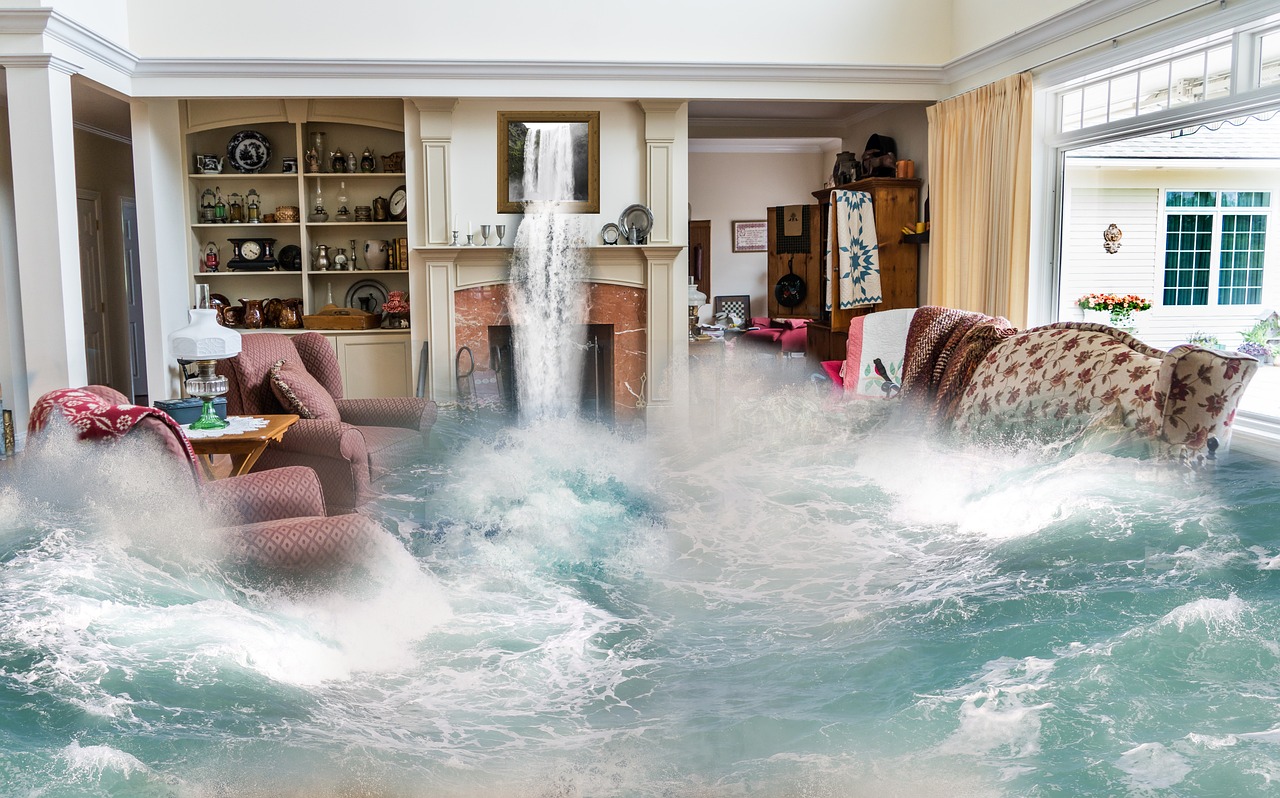
Navigating Post-Flood Restoration: Seattle Expert Insights
In the aftermath of a flood, the path to recovery can seem daunting. Homeowners and business owners alike turn to local flood cleanup services for guidance and assistance. In Seattle, a vibrant community of emergency services and specialized restoration companies is dedicated to helping residents get their homes and businesses back to normal after a flood. According to a 2020 study, Seattle experiences an average of 15 significant flooding events per year, highlighting the importance of knowing the best practices for the repair.
Property Restoration of the Capital Region, a renowned local disaster response team, emphasizes the critical steps involved in post-flood restoration. First, they advise immediate action. "Time is of the essence," says the company's lead restoration specialist. "Within 24 to 48 hours, water damage can start to cause structural issues and mold growth, which can be costly to mitigate." The first step is to turn off the main power and water supply to prevent further damage. Next, professional water removal experts should be called in. In Austin, for instance, local emergency services report that same-day water extraction significantly reduces secondary damage. These experts use advanced equipment to remove standing water, an important step before the real restoration work begins.
Once the water is out, the restoration process intensifies. This phase involves not only repairing physical damage but also sanitizing affected areas and rebuilding. In Houston, a city known for its frequent home flooding, local contractors have developed innovative techniques for dry-out and dehumidification, minimizing the risk of mold and structural decay. The final step, according to Seattle Emergency Response Team members, is to ensure the property meets all safety and building codes. This may include reinforcing against future flooding or implementing advanced moisture protection systems. By following these steps and enlisting the help of local flood cleanup services, Seattle residents can successfully handle post-flood restoration and return their properties to their pre-flood condition.
Frequently Asked Questions About experts in commercial flood damage Seattle WA
What is the most critical step immediately after a commercial property in Seattle experiences a flood?
The initial step is to contact a professional emergency service. Local experts like the Seattle Flood Damage Restoration team understand the urgency and have the resources to contain the water, prevent further damage, and begin the drying process quickly. This immediate action is important to minimize loss and set the stage for a successful recovery.
How do I know if I'm dealing with a legitimate commercial flood damage restoration company in Seattle?
Look for certification and experience. Reputable companies like A+ rated Business with the Better Business Bureau (BBB) and membership in the Institute of Inspection, Cleaning and Restoration Certification (IICRC) possess the specialized training and resources to handle commercial flood damage. They also have proven track records and client testimonials.
What are the typical costs associated with commercial flood damage restoration in Seattle?
The cost varies widely depending on the severity of the flood, the property size, and the extent of damage. A minor flood may only require $10,000 - $20,000 in restoration costs, while a catastrophic event could top $100,000. A professional assessment is essential to get an accurate estimate tailored to your specific situation.
Do I need to file a claim with my insurance provider before hiring a commercial flood damage restoration service?
Yes, it's important. Contact your insurance company immediately to file a claim. They may even refer you to a trusted restoration partner. Once the claim is processed, the insurance provider will disburse funds to cover restoration costs according to your policy terms.
How quickly can a commercial flood damage restoration company in Seattle begin the cleanup process?
Rapid response is key. Many reputable companies offer 24/7 emergency services. The faster the water is removed and the drying process starts, the less chance there is for mold growth and structural damage. Aim for companies that can arrive within a few hours of your call.
What kinds of specialized equipment do commercial flood damage restoration experts in Seattle use?
They employ powerful water extraction pumps, industrial dehumidifiers, high-efficiency air movers, and specialized drying equipment to expedite the restoration process. These tools remove moisture effectively, reducing the risk of mold and structural instability.
How do I protect my commercial property from future flood damage in Seattle?
Implement a comprehensive flood prevention plan, including flood shields, water barriers, and elevation adjustments. Regular maintenance and upgrades to your building's drainage system and consider purchasing flood insurance to mitigate financial risks associated with future flooding events.
In the wake of Seattle's frequent flooding events, understanding the repair naturally becomes a critical skill for both property owners and businesses. The article has provided an in-depth guide to navigating this complex process, from assessing damage to post-flood restoration. Key insights reveal the importance of immediate action, focusing on water extraction and drying as the primary steps in any commercial the repair. The expertise of local specialists, like those from the Seattle Emergency Response Team, is invaluable in mitigating losses and ensuring business continuity. By employing natural, eco-friendly approaches where possible, and following the step-by-step guide, businesses can not only recover from floods but also contribute to a more sustainable and resilient Seattle community. The next step for readers is to connect with local, licensed professionals who specialize in the repair, ready to implement these strategies and restore their properties to their former glory.
The repair: Seattle Expertise for Effective Recovery
Seattle residents face frequent heavy rainfall and rising water levels, demanding swift and knowledgeable the repair. The process involves:
1. Thorough Inspection & Documentation: Experts use advanced tools to identify water intrusion and humidity levels, planning repairs.
2. Specialized Teams: Address structural repairs, decontamination, and drying, tailored to residential and commercial properties.
3. Swift Action: Early, comprehensive inspections reduce restoration time, as seen in a 2021 Seattle study.
4. Natural Approaches: Some companies emphasize eco-friendly solutions, using biodegradable agents and green building practices.
5. Post-Flood Best Practices: Act immediately, turn off utilities, call professionals, and ensure property meets safety codes for full recovery.