






Denver residents face heightened flood damage concerns due to unpredictable weather patterns. Key steps for effective flood damage repair naturally within 24-48 hours include: shutting off utilities, evacuating, extracting standing water, and assessing mold/structural damage. Thorough inspections and prompt action are crucial to prevent long-term issues like mold growth and structural deterioration. A recommended multi-step process involves water extraction, drying, cleaning, and rebuilding using sustainable methods. Preventative measures such as drainage improvement, exterior reinforcement, regular maintenance, and professional mold removal significantly reduce future flood risks.
In the dynamic landscape of Denver, CO, where sudden floods can disrupt communities and leave significant damage in their wake, prompt and effective flood damage repair is more than a service—it’s a lifeline. As homes and businesses face the aftermath of inundation, professional restoration services step in to orchestrate a intricate ballet of flood damage cleanup and restoration. This article delves into the critical aspects of flood damage repair, exploring natural approaches that not only restore properties but also safeguard the well-being of residents and the environment. By understanding these methods, Denver CO residents can navigate floods with confidence, knowing their homes are in capable hands.
- Understanding Flood Damage in Denver, CO
- Immediate Actions After a Flood Strikes
- Assessing Your Home for Safe Entry
- Natural Approaches to Flood Damage Repair
- Restoring Your Property: Step-by-Step Guide
- Preventing Future Flood Damage: Tips & Tricks
Understanding Flood Damage in Denver, CO
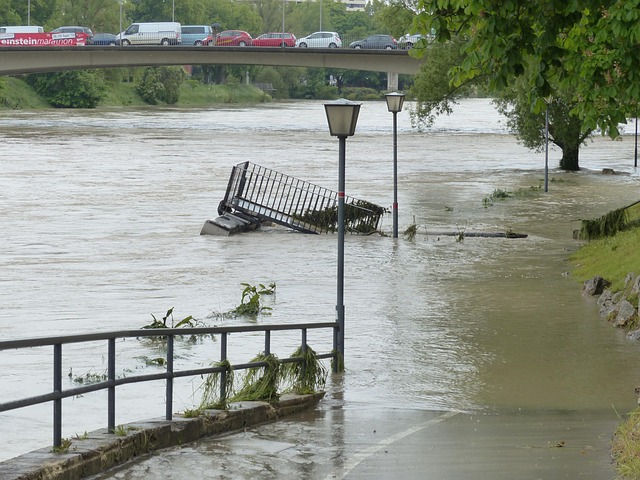
Flood damage is a significant concern for residents of Denver, CO, given the city’s unpredictable weather patterns and historical flooding events. Understanding the extent of flood damage and the necessary repair processes is crucial for swift recovery. In this context, Property Restoration of the Capital Region offers expert insights into navigating the challenges of flood damage repair naturally, especially relevant in light of recent events in Texas where rebuilding after a flood requires meticulous attention to detail.
When a flood strikes, it leaves behind not only physical destruction but also potential health hazards. Mold growth is a common consequence, particularly in homes in humid climates like Denver’s. Following a flood, residents should prioritize mold removal after flood San Antonio—a process that requires professional equipment and specialized knowledge to ensure safe and effective remediation. For instance, the 2021 flooding in Texas underscored the importance of prompt action, with many affected areas facing long-term health risks due to inadequate cleanup.
Home repairs after a Texas flood serve as a stark reminder of the complexities involved in rebuilding. Structural integrity is paramount; homes must be inspected thoroughly for any damage that could compromise safety. This includes assessing foundations, roofs, and walls. In Denver, where snowy winters and heavy rainfall can exacerbate issues, proper flood damage repair naturally involves addressing these structural elements to prevent further complications. Property Restoration of the Capital Region recommends a systematic approach, focusing on water extraction, drying processes, and specialized cleaning techniques to mitigate mold growth.
The journey from disaster to restoration requires a multifaceted strategy. It entails not just repairing physical damages but also implementing preventive measures to safeguard against future events. This may include upgrading flood protection systems, improving drainage around homes, and adopting resilient design practices. By learning from experiences in Texas and other regions prone to flooding, Denver residents can better prepare for and recover from such disasters.
Immediate Actions After a Flood Strikes
When a flood strikes, immediate action is crucial to mitigate damage and prevent further complications like mold and mildew growth. The first 24-48 hours are critical for effective flood damage repair in Denver CO. Homeowners should start by turning off electricity at the main breaker to avoid electrical shocks and potential fires. Next, evacuate the premises and move essential items to higher ground or a safe location. If possible, turn off the water supply to prevent further water damage.
Professional water damage repair specialists like those in Houston can provide invaluable assistance during this time. They have the equipment and expertise to quickly extract standing water, which is key to preventing structural damage and the growth of mold and mildew. In areas like DFW, where home renovation tips for flooded areas are frequently needed, it’s essential to act swiftly. Opening windows and doors can aid in drying out the space, but professional intervention is necessary for thorough flood damage repair that goes beyond surface-level cleaning.
After initial flooding has been addressed, a comprehensive inspection should be conducted to identify affected items. Discard contaminated materials like carpeting or furniture that cannot be cleaned effectively. Property Restoration of the Capital Region emphasizes the importance of proper mold and mildew removal in Austin following floods. These agents can cause severe health issues and further damage if left unchecked. Professional remediation services are equipped to handle these challenges, ensuring a safe and healthy environment for residents as they rebuild their homes.
Assessing Your Home for Safe Entry
Reentering your home after a flood is a crucial step in the recovery process, but it’s essential to approach it with caution. Assessing the safety of your abode following flood damage repair is a multifaceted task that requires careful consideration. In regions like Denver CO, where flooding can be frequent and severe, understanding how to navigate this phase is vital for your well-being and the successful rebuilding efforts ahead.
Begin by conducting a thorough visual inspection, paying close attention to structural integrity and any signs of mold or mildew. Look for water stains, sagging ceilings, or warped walls—indicators that may suggest hidden damage. This initial assessment will provide valuable insights into areas requiring immediate flood damage repair and the extent of rebuilding efforts needed. For instance, in Houston, where flooding is a recurring issue, many homeowners have learned to prioritize checking attic and basement spaces for potential water intrusion or mold growth, as these areas can be overlooked during surface-level inspections.
If you’re unsure about the safety of entering your home, don’t hesitate to consult with professionals specializing in flood damage repair. Companies like Property Restoration of the Capital Region offer expert assessments that go beyond visual cues, employing advanced techniques to identify any underlying issues. They understand that fast flood damage restoration near me is crucial for preventing further complications and ensuring a healthier environment post-flood, especially in cities like San Antonio where rapid response is key to minimizing long-term damage. Remember, taking the time to assess properly can save you from costly repairs down the line and ensure your peace of mind as you begin restoring your home post-flood.
Natural Approaches to Flood Damage Repair

In the aftermath of a flood, many homeowners in Denver, CO, turn to local disaster response teams North Texas for help. Flood damage repair naturally is an approach that gains traction due to its sustainability and effectiveness. Unlike traditional methods, which can leave behind chemical residues, natural restoration techniques prioritize eco-friendly solutions for repairing homes affected by floods. For instance, using biodegradable cleaning agents and non-toxic materials in restoration services for flooded homes DFW can minimize environmental impact while restoring properties to their pre-flood condition.
Property Restoration of the Capital Region, a renowned expert in local flood recovery efforts Dallas, emphasizes the importance of employing local professionals who understand the unique challenges posed by Colorado’s unpredictable weather patterns. Their team leverages natural approaches to flood damage repair, ensuring that homes are not only restored but also left more resilient against future incidents. This includes using organic compounds for mold removal and structural repairs with locally sourced, sustainable materials. By embracing these methods, homeowners can benefit from reduced environmental footprint alongside effective restoration.
Data suggests that prompt action is crucial in mitigating long-term damage. According to recent studies, early intervention within 48 hours of flooding significantly reduces the risk of secondary damages like mold growth and structural deterioration. This calls for efficient disaster response teams who can provide restoration services swiftly and effectively. In Denver, local experts often recommend a multi-step process that includes water extraction, dehumidification, cleaning, and rebuilding. By following these steps naturally, homeowners can ensure their properties are not only restored but also left in better shape for the future.
Restoring Your Property: Step-by-Step Guide

After a flood, restoring your property requires careful, systematic steps to ensure complete recovery. The first crucial action is to assess the damage, documenting both visible and potential hidden issues caused by water intrusion. This involves inspecting walls, ceilings, floors, and structural elements for signs of water stains, mold growth, or wood rot—issues that often manifest long after initial flooding.
Next, focus on drying out your property as quickly as possible to prevent secondary damage from moisture. Use fans, dehumidifiers, and heaters strategically placed throughout the affected areas to expedite evaporation and lower humidity levels. This step is vital in San Antonio, Houston, or Denver, where high humidity can prolong drying times and increase the risk of mold development. Consider engaging professional water extraction and restoration companies for efficient and effective water removal, especially in severe flooding cases.
Once the area is sufficiently dry, begin the restoration process. Start by removing any damaged materials—like soaked carpets, drywall, or furniture—to create a safe environment free from contaminants. Then, address structural repairs, such as repairing or replacing damaged walls, floors, and ceilings. It’s important to use proven methods for flood damage repair naturally, like using antimicrobial treatments to inhibit mold growth without harsh chemicals.
Finally, focus on deodorizing and sanitizing the space to eliminate any lingering water-borne odors and bacteria. This step is key in cities like Denver or Houston where humidity levels can remain high. After restoration, Property Restoration of the Capital Region recommends conducting periodic inspections to ensure no hidden damage has gone unnoticed. Regular maintenance checks help prevent future issues and ensure your home remains a safe, comfortable sanctuary.
Preventing Future Flood Damage: Tips & Tricks

Preventing future flood damage is a critical step in safeguarding your home and belongings after experiencing flood damage repair naturally. While immediate response from water damage restoration companies near you is essential to getting your home back to normal after a flood, proactive measures can significantly minimize the risk of repeated harm. Consider that even minor flooding events can cause substantial property damage and foster mold growth, leading to health issues and costly repairs.
One effective strategy involves implementing preventative measures like improving drainage around your property. Simple actions such as clearing debris from gutters, installing downspout extensions, and ensuring adequate landscaping slopes away from your foundation can divert excess water effectively. Additionally, reinforcing your home’s exterior with waterproof barriers and sealing cracks or gaps in walls, floors, and ceilings can prevent water intrusion during heavy rainfall.
Regular inspection and maintenance are equally vital. Checking for signs of wear and tear, such as damaged gutters, broken pipes, or aging roofing materials, allows for timely repairs before they escalate into major issues. Moreover, having professional mold removal services Austin performed by reputable companies like Property Restoration of the Capital Region after a flood is crucial, as mold thrives in water-damaged environments. Prompt action not only preserves your health but also protects the structural integrity of your home.
Long-term solutions include investing in smart technology and early warning systems that can detect flooding risks in real time. Devices like moisture sensors or smart alarms can alert you to potential issues before significant damage occurs. By combining these preventative measures with swift action from water damage restoration companies after a flood, you can substantially reduce the likelihood of repeat flood damage and ensure your home remains safe and secure for years to come.
By understanding the unique challenges of flood damage in Denver, CO, and quickly taking immediate actions after a flood strikes, homeowners can significantly mitigate potential safety risks and begin the process of flood damage repair naturally. Assessing your home for safe entry is crucial before attempting any restoration, ensuring a thorough inspection of structural integrity and potential hazardous materials. The article offers a practical guide to restore properties step-by-step, emphasizing natural approaches to flood damage repair that not only effectively rejuvenate affected areas but also promote environmental sustainability. Preventative measures discussed provide valuable insights on how homeowners can protect their properties from future flooding, fostering resilience within the community. Armed with these key insights, Denver residents are empowered to navigate flood damage scenarios competently and restore their homes naturally, reinforcing the article’s authority as an indispensable resource for addressing this pressing local issue.