
Flood damage repair is a critical service, often needed urgently, to mitigate the devastating effects of water intrusion on homes and businesses. Whether it's a burst pipe, heavy rainfall, or natural disaster, swift action is essential to prevent long-term structural damage and costly repairs. In this context, local expertise becomes paramount for effective flood damage restoration. From Seattle to Los Angeles and beyond, professional teams specialize in urgent flood cleanup, 24/7 water extraction, and same-day restoration services.
These specialists employ advanced techniques and technology to safely remove standing water, dry affected areas, and restore properties to their pre-flood condition. By relying on local flood damage repair experts, property owners can navigate the aftermath of flooding with confidence, knowing their homes and businesses are in capable hands.
- Assessing Flood Damage: The First Steps
- Efficient Flood Repair: Strategies and Techniques
- Restoring Your Space: Long-Term Solutions for Flood Damage
Assessing Flood Damage: The First Steps
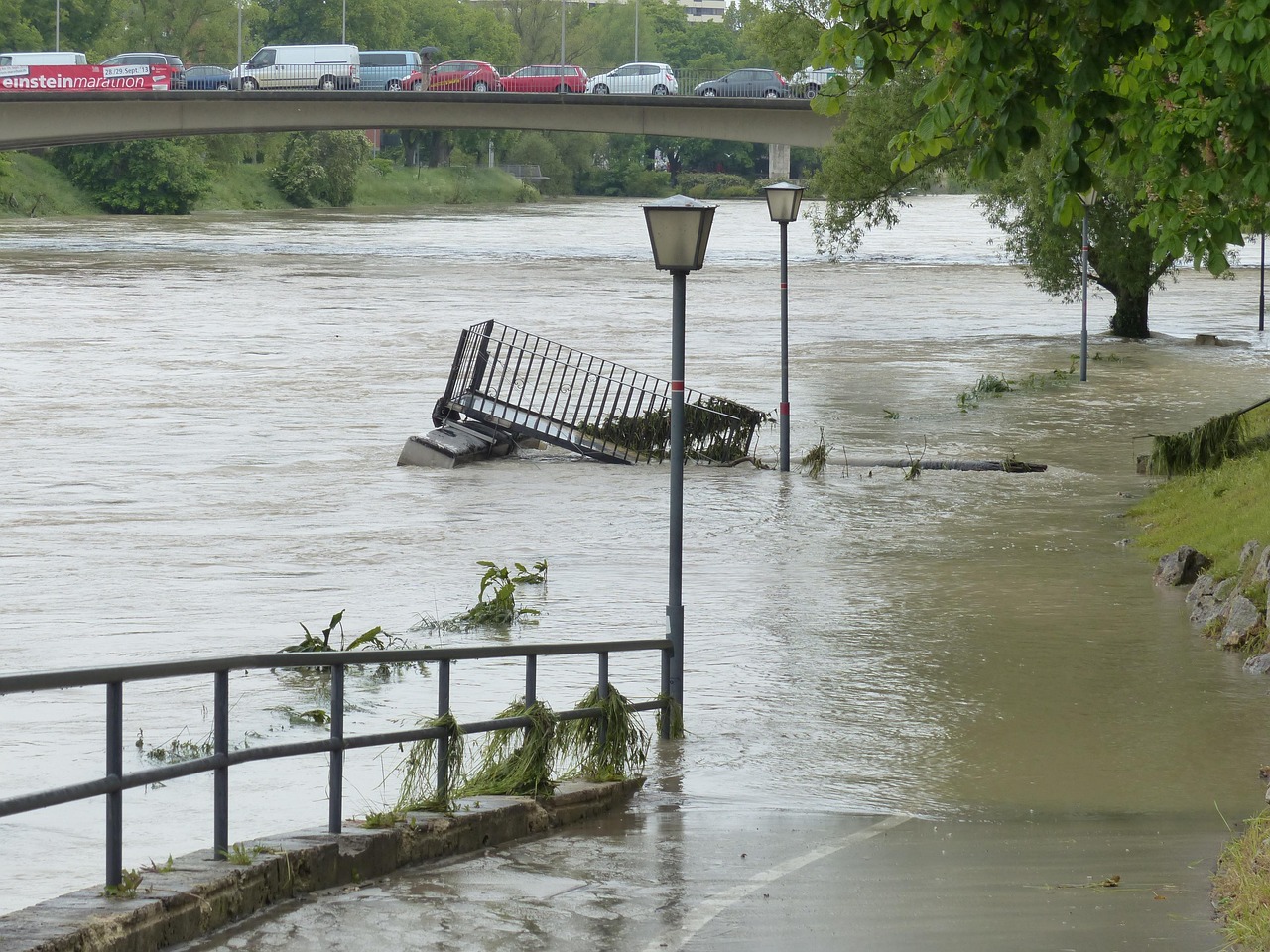
Assessing flood damage is a crucial first step in the recovery process for any property affected by flooding. This initial evaluation determines the extent of the harm and guides the subsequent restoration efforts, whether it's restoring your home post-flood in San Antonio or rebuilding after a Texas flood. In areas prone to flooding like DFW (Dallas-Fort Worth), understanding how to navigate this critical phase is essential for minimizing losses and ensuring effective flood damage repair.
The first step is always to ensure safety. Turn off power at the main circuit breaker and check for any gas leaks or structural damage that could pose an immediate risk. Once safety is secured, document the damage with photos and videos, noting affected areas and items. This visual record will be invaluable for insurance claims and future restoration reference. For instance, consider the different components of a home—from walls and ceilings to baseboards and belongings—each may require specialized care during restoration services for flooded homes in DFW or beyond.
In cases where extensive flooding occurs, professional help is often necessary. Local experts like Property Restoration of the Capital Region are trained to assess, mitigate, and restore properties efficiently. They can provide 24/7 emergency water removal, same-day flood cleanup, and even commercial flood mitigation services tailored to businesses. These professionals employ advanced equipment and techniques to extract standing water, dry out affected areas, and prevent mold growth, all while adhering to industry standards and best practices for restoring your home post-flood in San Antonio or anywhere else. Data shows that quick action within 48 hours of flooding can significantly reduce restoration costs and potential health risks associated with water damage.
Efficient Flood Repair: Strategies and Techniques

Efficient flood repair requires a multi-faceted approach, combining advanced techniques with natural solutions to restore damaged homes effectively. In regions like North Texas, where catastrophic flooding is a recurrent issue, property owners need reliable and swift responses. Consider the case of restoring damaged homes in Dallas—a bustling metropolis frequently faced with sudden inundation.
One proven strategy involves implementing moisture control measures immediately after floodwater recedes. This includes using dehumidifiers to reduce humidity levels and prevent mold growth, which can be a significant issue in damp environments. For instance, studies show that prompt action within 24-48 hours can significantly minimize mold removal needs later—a critical factor for maintaining indoor air quality in San Antonio and similar areas prone to flooding.
Another natural yet powerful technique is the use of antimicrobial treatments. These solutions help combat bacterial and fungal growth naturally, enhancing overall restoration efforts. In fact, Property Restoration of the Capital Region emphasizes this approach, offering expert services tailored to address flood damage repair naturally while ensuring homes in regions like Austin and Dallas are safe and healthy after catastrophic flooding events. Additionally, structural drying techniques that employ fans and specialized equipment expedite the drying process, minimizing water-related damage and promoting faster recovery for both residential and commercial properties.
Restoring Your Space: Long-Term Solutions for Flood Damage
Flood damage repair is not just about cleaning up water and drying out spaces; it's about returning your property to its pre-flood condition and preventing future damage. While immediate actions like water extraction and drying are crucial, long-term solutions involve deeper restoration and protection. This includes addressing structural issues, mitigating mold growth, and implementing flood-resistant measures.
One of the most effective strategies for flood damage repair naturally is to enhance your property's resilience. This can involve installing check valves and floodgates to prevent water from entering, as well as raising important appliances and fixtures above potential flood levels. For instance, raising air conditioners, water heaters, and electrical panels can significantly reduce the impact of future flooding events. Additionally, using water-resistant materials in renovations and ensuring proper drainage systems are in place can make your space more resilient to water damage.
In cities like Dallas, where regular flooding events occur, local flood recovery experts like Property Restoration of the Capital Region play a vital role. They not only offer 24/7 flood cleanup Houston services but also provide tailored solutions for long-term protection. These experts can assess your property's vulnerabilities and recommend specific measures, such as improving waterproofing or installing advanced flood protection systems. Regular maintenance and inspections are key to keeping your space safe. For example, checking and repairing sewer lines, ensuring downspouts are properly directed away from your foundation, and sealing cracks in basements or foundations can all help prevent water infiltration.
By combining immediate flood damage repair with long-term resilience strategies, you can significantly reduce the impact of future flooding events. Remember, water damage restoration near me shouldn't be a reactive process; it's an investment in the longevity and safety of your property. Whether you're in Houston, Dallas, or any other area prone to flooding, engaging with local professionals who specialize in water damage cleanup and flood mitigation is essential for restoring and protecting your space.
In navigating the aftermath of flood damage, this article has provided a comprehensive guide to understanding and addressing the challenges. Key insights include the critical initial assessment of flood damage, emphasizing safety and securing valuable items first. Efficient repair strategies, such as implementing temporary barriers and extracting water promptly, are essential to minimizing further harm. The importance of long-term solutions like professional restoration services and comprehensive insurance claims management cannot be overstated. By prioritizing these steps—assessing, repairing efficiently, and restoring responsibly—individuals and businesses can naturally mitigate flood damage, ensuring their properties return to safe, livable conditions with minimal disruption.
Flood Damage Repair: A Comprehensive Approach
1. Safety First: Secure the area, turn off power, check for structural damage and gas leaks.
2. Document Damage: Photo and video evidence of affected areas and items is crucial for insurance claims.
3. Professional Help: For extensive flooding, rely on experts like Property Restoration to provide 24/7 services, including water removal, drying, and mold prevention.
4. Natural Solutions: Implement moisture control, antimicrobial treatments, and structural drying techniques to expedite recovery.
5. Long-Term Resilience: Address structural issues, mitigate mold, and install flood-resistant measures like valves, gates, and waterproof materials.
6. Maintenance: Regular inspections and maintenance, such as repairing sewer lines and sealing cracks, prevent future water infiltration.