





San Antonio's history of flooding demands a multifaceted approach to flood damage repair naturally. Key strategies include eco-friendly practices like permeable surfaces and native vegetation, swift structural repairs, mold prevention, and sustainable water management. Community engagement, urban planning with natural drainage systems, and collaboration among professionals enhance disaster response and recovery. Post-flood restoration techniques prioritize ecosystem preservation, using non-toxic methods for safer, more resilient homes. Property Restoration of the Capital Region leads these efforts, demonstrating successful community partnerships and sustainable practices.
San Antonio, like many urban areas, faces the perpetual challenge of flood mitigation. Intense rainfall events, exacerbated by climate change, have led to widespread flooding, causing significant property damage and disrupting communities. The aftermath often involves extensive flood damage repair, a process that can be costly and time-consuming. Fortunately, there’s a more sustainable approach gaining traction: natural solutions. This article delves into the innovative strategies San Antonio is employing to combat floods, focusing on eco-friendly methods that not only mitigate risks but also enhance the city’s resilience through flood damage repair naturally.
- Understanding San Antonio's Flood History and Patterns
- Natural Solutions for Effective Local Flood Mitigation
- Role of Urban Planning in Preventing Flood Damage Repair
- Community Engagement: Key to Successful Flood Preparedness
- Post-Flood: Restoring Nature, Homes, and Communities Naturally
Understanding San Antonio's Flood History and Patterns
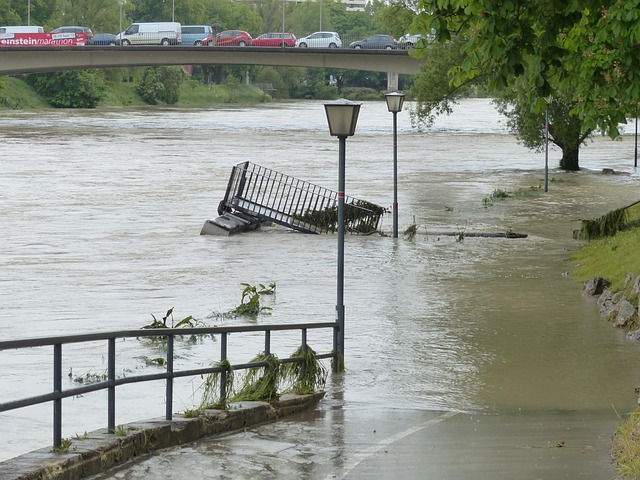
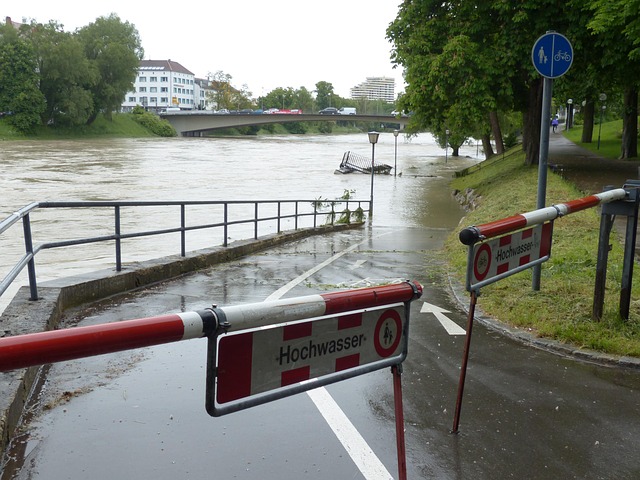
San Antonio’s history with flooding is a complex narrative woven into the fabric of its urban landscape. The city, situated in the heart of Texas, has experienced significant flood events that have left an indelible mark on its residents and infrastructure. Understanding these patterns is crucial for effective flood mitigation strategies, enabling the community to prepare, respond, and recover with resilience. Over the years, San Antonio has faced several severe flooding episodes, particularly during the rainy seasons, which have led to extensive damage and disrupted the daily lives of many.
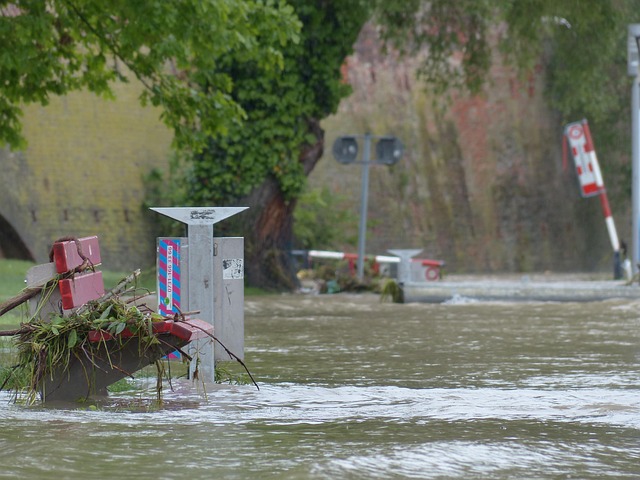
The most notable floods in recent times have been associated with intense rainfall events, often exacerbated by the city’s unique topography. The area’s flat terrain, coupled with dense urban development, can quickly transform heavy rains into raging rivers, overwhelming drainage systems. For instance, the record-breaking rainfall in 2015 caused widespread flooding, prompting emergency responses and extensive flood damage repair across various neighborhoods. This event underscored the need for a comprehensive understanding of local hydrological patterns to guide effective mitigation efforts.
In terms of flood damage repair and recovery, San Antonio residents often turn to specialized services like those offered by Property Restoration of the Capital Region. These experts focus on not just repairing structural damages but also implementing natural solutions to enhance resilience against future events. Mold prevention is a critical aspect after water damage, especially in humid climates like Dallas, where moisture can fuel fungal growth. By combining advanced restoration techniques with eco-friendly practices, professionals ensure that homes are restored safely and sustainably. The 24/7 flood cleanup Houston services have become invaluable assets, offering swift responses to contain damage and aid in the recovery process. Similarly, restoring homes after severe flooding San Antonio requires a multi-faceted approach, addressing structural repairs, decontamination, and long-term strategies for water management.
Natural Solutions for Effective Local Flood Mitigation

Navigating the challenges posed by local flood events in San Antonio requires a multifaceted approach, with an increasing emphasis on natural solutions for effective flood mitigation. Beyond traditional infrastructure measures, embracing eco-friendly and sustainable practices can significantly reduce the impact of floods while promoting environmental health. For instance, implementing green infrastructure like permeable surfaces, bioswales, and native vegetation helps absorb excess water, mitigating flooding and enhancing local ecosystems. These natural strategies not only prevent flood damage repair naturally but also contribute to a more resilient urban landscape.
San Antonio’s diverse geography presents both opportunities and challenges for flood management. Local flood cleanup professionals in the region have honed their skills in responding swiftly and effectively to these events. By leveraging advanced equipment and expert knowledge, they ensure minimal disruption and swift recovery for affected properties. Moreover, home renovation tips tailored to flooded areas in DFW (Dallas-Fort Worth) focus on structural integrity, moisture control, and preventing mold growth, ensuring that residents can safely return to their homes after a flood.
The role of local disaster response teams in North Texas is invaluable during and after significant flood events. These well-coordinated efforts involve not only emergency services but also community organizations and volunteers who contribute to search and rescue operations, as well as providing crucial support for displaced individuals and families. In light of these collective actions, Property Restoration of the Capital Region stands out as a key player in post-flood recovery, offering specialized services that cater to the unique needs of San Antonio residents, ensuring their homes are restored to pre-disaster condition naturally and efficiently.
Role of Urban Planning in Preventing Flood Damage Repair

Urban planning plays a pivotal role in mitigating flood risks and minimizing subsequent flood damage repair needs in cities like San Antonio. Strategic land use planning, incorporating natural drainage systems and green infrastructure, can significantly reduce the impact of flooding. For instance, designing neighborhoods with permeable surfaces, such as green roofs and bioswales, allows for water absorption and slower runoff, easing strain on traditional drainage systems. This approach not only minimizes surface water but also supports groundwater recharge, essential for sustained urban hydration.
Moreover, integrating these natural solutions into urban fabric requires collaboration between architects, engineers, and urban planners. For example, San Antonio’s recent project along the San Antonio River Walk involved raising sidewalks and planting native vegetation to protect against rising waters. This holistic planning approach not only offers aesthetic benefits but also creates a more resilient cityscape, reducing the demand for extensive water damage repair services in Houston after major storms.
The importance of proactive urban planning extends beyond individual communities; it impacts regional disaster response capabilities. In North Texas, where rapid urbanization has left some areas vulnerable to flooding, local disaster response teams have been leveraging innovative solutions. They’ve implemented early warning systems and mapped high-risk zones to guide emergency preparedness efforts. These strategies aim to minimize casualties and reduce the scope of subsequent recovery work, including professional mold removal services Austin residents might require post-flooding events.
Property Restoration of the Capital Region, a leading name in water damage repair, emphasizes the importance of prevention through urban planning. By adopting these integrated approaches, cities like San Antonio can foster resilience, lessen the economic burden of flood damage repairs, and ensure a more sustainable future for their residents. This proactive stance not only benefits property owners but also strengthens local economies, as it reduces the need for extensive reconstruction and repair work after each flooding event.
Community Engagement: Key to Successful Flood Preparedness

Community engagement plays a pivotal role in the successful mitigation of flood damage in San Antonio and surrounding areas like Austin and Houston. Effective preparation for potential flooding involves more than just physical infrastructure; it requires active participation and collaboration from residents, local organizations, and businesses. This collective effort not only enhances resilience but also facilitates faster recovery post-disaster. For instance, community-led initiatives in Austin have shown remarkable success in minimizing the impact of recent floods, with neighborhood networks facilitating quick evacuation and mutual aid.
A key aspect of this engagement is fostering a culture of knowledge sharing and preparedness. Educating residents about flood safety measures, emergency response protocols, and the basics of flood damage repair naturally can empower them to take proactive steps. For example, teaching homeowners in San Antonio how to secure their properties and protect valuable belongings from water damage can significantly reduce post-flood restoration needs. This is where professional services like mold removal in Austin or flood damage repair Houston come into play, offering expertise in restoring properties after flooding. Many residents turn to local professionals for help, as seen during the recent surge in flood events across Texas.
Moreover, community engagement strengthens the capacity of local authorities and disaster management teams. By involving residents in planning and decision-making processes, emergency services can better allocate resources and coordinate efforts. This collaborative approach ensures that restoration services, including professional flood damage repair in Houston or restoring properties after flooding in Austin, are provided efficiently, reaching those most affected swiftly. Property Restoration of the Capital Region, for instance, has highlighted the importance of community partnerships in effective disaster response, emphasizing that every resident’s contribution makes a difference in minimizing flood damage and speeding up recovery.
Post-Flood: Restoring Nature, Homes, and Communities Naturally

Post-flood restoration is a critical phase in the recovery process for communities hit by catastrophic flooding. In regions like North Texas and Austin, where frequent heavy rainfall can lead to devastating flash floods, restoring nature, homes, and communities to their pre-flood condition requires a thoughtful, natural approach. While many turn to conventional flood damage repair methods, experts advocate for sustainable practices that not only heal the environment but also empower residents with long-lasting resilience against future events.
In North Texas, restoration after catastrophic flooding is a complex endeavor. According to a study by the United States Geological Survey (USGS), intense rainfall events have increased in frequency and intensity over recent decades, exacerbating flooding risks. Traditional cleanup methods often involve heavy machinery and chemical-based solutions, which can further damage the ecosystem and contaminate water sources. Restoration experts in the region are now promoting eco-friendly practices to reverse this trend. For instance, Property Restoration of the Capital Region has successfully implemented natural flood damage repair techniques, focusing on restoration rather than mere reconstruction. This involves removing debris and contaminated soil gently, using native plants for revegetation, and prioritizing biodiversity to create resilient landscapes that can better withstand future floods.
In flooded basement cleanup Austin TX, a natural approach can significantly reduce environmental impact. Instead of relying solely on powerful cleaners and disinfectants, professionals suggest a multi-step process that starts with physical removal of water and debris. This is followed by using non-toxic cleaning agents and moisture control systems to prevent mold growth. For areas like North Texas, where catastrophic flooding occurs 1-3 times a year, adopting these methods can be transformative. It not only ensures safer, healthier homes but also contributes to the long-term sustainability of the region’s natural resources, fostering a more resilient community in the face of climate change and extreme weather events.
San Antonio’s experience with floods highlights the need for a multifaceted approach to mitigation. By understanding historical patterns, leveraging natural solutions, integrating urban planning, fostering community engagement, and prioritizing restoration after disasters, the city can significantly reduce flood damage repair costs and enhance resilience. The article’s key insights underscore the importance of proactive measures in preparing for, mitigating, and recovering from floods while emphasizing the role of nature-based strategies, such as green infrastructure and ecosystem restoration, in flood damage repair naturally. These comprehensive solutions not only protect communities but also preserve the city’s unique natural landscape.