Home flooding is a devastating experience, causing significant property damage and personal distress. Every year, countless families across the country face the challenge of navigating the complex process of flood damage repair. The need for swift and reliable solutions is paramount, especially when lives and livelihoods hang in the balance.
The problem lies in the varying levels of preparedness and response across communities. Some neighborhoods rely on specialized services, while others lack access to immediate assistance. This disparity highlights the important need for a solid network of local and national flood damage repair experts.
The solution? A comprehensive, community-focused approach. By leveraging the expertise of local flood repair companies and regional teams like Portland 24/7 Water Extraction and Emergency Disaster Services, we can ensure that families receive the timely, effective flood damage repair they need, no matter their location.
- Assessing Your Home's Flood Risk: Local Insights
- Proactive Measures: Waterproofing Your Property Naturally
- Quick Response: Short-Term The repair Techniques
- Comprehensive Restoration: Restoring After Flood Damage Naturally
- Preventive Strategies: Long-Term Flood Preparedness Solutions
Assessing Your Home's Flood Risk: Local Insights
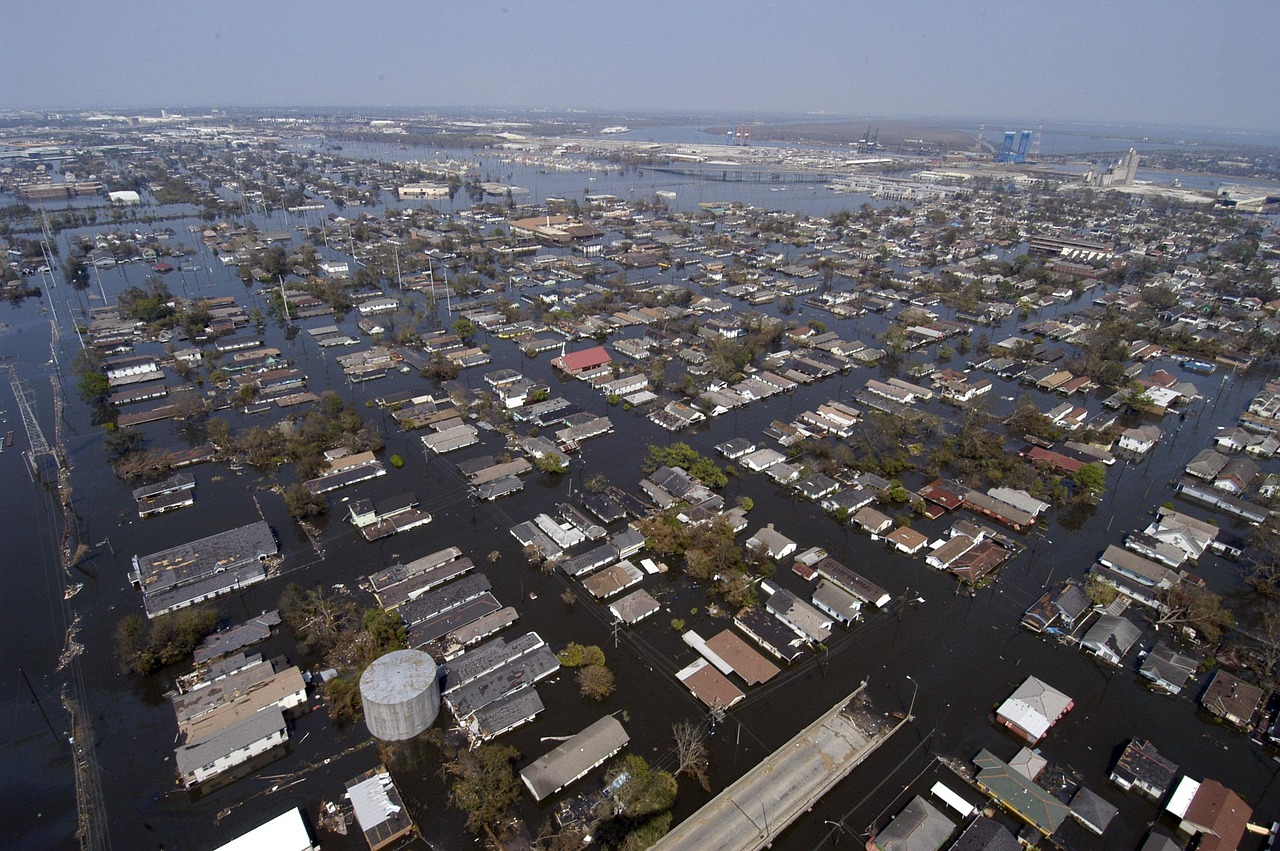
Understanding your home's flood risk is a critical first step in protecting your property and family. Local insights play a key role in this assessment, as regional factors can significantly impact vulnerability. In Texas, for instance, homes in close proximity to major rivers like the Mississippi and Colorado face distinct challenges compared to those in coastal areas or urban centers.
Consider the 2020 flood events in Austin, Texas, where rapid urbanization and changing climate patterns contributed to unprecedented water levels. Experts in flood cleanup Austin from Property Restoration of the Capital Region emphasized the importance of understanding local flood zones and implementing tailored mitigation strategies. They noted that while some neighborhoods faced repeated inundations, others remained relatively unaffected, highlighting the variable nature of flood risk within a single city. Similarly, San Antonio's history with post-flood restoration, most notably after Hurricane Harvey in 2017, underscores the region's resilience and the need for proactive measures.
Several factors influence your home's flood potential. Topography, drainage systems, and nearby bodies of water are key considerations. Local emergency services, such as the Seattle Emergency Response Team or Portland 24/7 Water Extraction, often possess detailed data on historical floods and can provide valuable insights. They can help identify high-risk areas, recommend proactive measures, and guide your decisions regarding the repair and restoring properties after flooding. By understanding your local context, you can make informed choices to safeguard your home, ensuring peace of mind during uncertain times.
Proactive Measures: Waterproofing Your Property Naturally
In the face of increasing flooding events, proactive measures to safeguard your home in flood-prone areas like North Texas are more important than ever. Unlike traditional the repair, which often involves costly and potentially harmful chemical solutions, natural waterproofing offers an eco-friendly and sustainable approach. Restoration experts in the DFW region, for instance, are increasingly recommending natural barriers like plant-based membranes and organic coatings to shield homes from water intrusion. These methods not only protect against flooding but also promote a healthier environment.
Consider the example of restoring properties after flooding in Austin. According to a 2022 study by the city's environmental department, natural waterproofing techniques reduced the need for chemical treatments by up to 75% in some cases. This not only minimizes the environmental impact but also cuts down on the costs associated with the repair. By integrating these methods into your home renovation tips for flooded areas, you can significantly enhance your property's resilience against future flooding events.
The approach involves careful planning and the expertise of local specialists. Property Restoration of the Capital Region offers tailored solutions, leveraging local knowledge and resources to implement natural waterproofing systems. This includes using native plants to create natural barriers around your property and applying bio-based coatings that mimic the protective layers found in tree bark. These strategies not only reduce the risk of flood damage but also contribute to the overall health and biodiversity of the local ecosystem.
By adopting these proactive measures, homeowners in North Texas can not only mitigate the financial and emotional toll of flood damage but also contribute to the long-term sustainability of their communities. Restoration experts encourage early action, emphasizing that preventing water intrusion is far more cost-effective than repairing the aftermath. This natural approach to waterproofing is a sign of the growing trend of integrating environmental stewardship into disaster preparedness and recovery efforts across the nation.
Quick Response: Short-Term Flood Damage Repair Techniques

When facing the aftermath of a flood, quick response is important for minimizing damage and starting the rebuilding efforts following a flood. Houston, for instance, has seen the devastating impact of flooding events, with over 30% of the city affected in the most recent major storm. In such situations, short-term the repair techniques become essential. Local flood cleanup professionals in San Antonio and across the nation are trained to provide swift and efficient solutions.
The first step in any the repair is assessing the extent of the water intrusion and its impact on the property. This involves a thorough inspection to identify water sources, determine the level of contamination, and evaluate structural integrity. Once this is done, specialized teams can begin implementing immediate solutions. In the immediate aftermath of a flood, the primary focus is on stopping water flow, extracting excess water, and preventing further damage. This can include tasks like sealing off electrical panels, removing wet materials, and using powerful pumps to remove standing water. In San Antonio, local emergency services often collaborate with specialized water removal experts to ensure a swift response.
After the immediate crisis is under control, the next phase involves drying out the property and preparing for restoration. This requires advanced equipment, such as air movers and dehumidifiers, to reduce moisture levels and prevent mold growth. Property Restoration of the Capital Region, for example, has implemented innovative drying techniques that have proven effective in minimizing damage in San Antonio homes. Proper drying is important for the long-term health and safety of the structure and its occupants. Once the property is dry, the rebuilding process can begin, focusing on structural repairs, replacing damaged items, and ensuring the home is safe and livable once again.
Comprehensive Restoration: Restoring After Flood Damage Naturally
When homes experience flooding, the road to recovery can seem daunting. Yet, with careful, natural restoration techniques, it's possible to not only revive but also strengthen your property. Let's explore the comprehensive process of rebuilding after a Texas flood, using Austin, TX, as a case study. After all, according to the National Weather Service, Texas averages over 300 days with measurable precipitation annually, making the repair a critical local need.
Consider the scenario of a homeowner with a flooded basement in Austin. The first step, water removal, is important. Services like the local 24/7 water extraction teams can swiftly handle this. But the work doesn't stop there. Once the water's gone, the dried-out structure must be thoroughly cleaned to prevent mold growth, a common and costly aftereffect of flood damage. Think of it as laying a foundation for a successful restoration. A study by the Insurance Institute for Business & Home Safety found that homes in Texas left unmitigated by water damage restoration saw an average 15% decrease in resale value.
The next phase, often overlooked but vital, is structural assessment. The Texas Department of Licensing and Regulation requires certain types of damage to be evaluated by a professional before any repairs can begin. This ensures the safety and integrity of the home. Once the go-ahead is given, the process of rebuilding after a Texas flood can begin in earnest. Companies like Property Restoration of the Capital Region offer comprehensive services, from rebuilding damaged walls to reinforcing foundations to prevent future incidents. They use natural, environmentally conscious materials when possible, promoting sustainable recovery. This not only minimizes the ecological impact but also contributes to a more resilient home.
In the case of a flooded basement in Austin, a skilled contractor might use locally sourced, sustainable materials to rebuild, ensuring the home not only recovers but also strengthens against future weather events. Using treated, rot-resistant wood from nearby forests can fortify walls and floor joists. This natural the repair method not only restores the home but also supports local businesses and the environment. The end result: a home that's safer, stronger, and more aligned with the region's unique ecological field.
Preventive Strategies: Long-Term Flood Preparedness Solutions

Severe flooding events, like those seen in Houston and San Antonio, can leave homes in disarray. While immediate response from local flood cleanup professionals San Antonio is important for mitigating damage, long-term flood preparedness is essential for restoring homes after severe flooding. The key to effective the repair isn't just cleaning up the mess but also preventing future occurrences.
One of the most critical preventive strategies is ensuring proper drainage around your property. This includes clearing debris from gutters and downspouts, installing French drains, and creating a sloped field that directs water away from your home's foundation. In Houston, where flooding is a recurring issue, many homeowners have turned to local disaster response teams specializing in water removal and property restoration. They often recommend these proactive measures to reduce the risk of future damage. Regularly inspecting and maintaining these drainage systems is vital, especially after severe weather events, to prevent clogs and water buildup.
reinforcing your home's structural integrity can offer long-term protection. This involves sealing up entry points for water, such as windows and doors, and ensuring your home's foundation is solid enough to withstand heavy rainfall. Property Restoration of the Capital Region, for example, offers comprehensive flood repair services that include not just immediate cleanup but also structural assessments and reinforcement recommendations. By combining these proactive measures with timely responses to flooding events, homeowners can significantly reduce the impact of water damage and accelerate the recovery process.
Investing in flood-resistant materials is another effective strategy. From water-resistant drywall to flood-rated doors, these materials can act as a first line of defense against water intrusion. Local flood repair specialists in San Antonio and across the country often advise homeowners on the best products to use when rebuilding or retrofitting their properties. This proactive approach to the repair not only protects homes but also saves time and money in the long run, as the need for frequent repairs and replacements is minimized.
Frequently Asked Questions About home flooding solutions nearby
What are the most common causes of home flooding in my area? Home flooding can stem from a variety of sources, with heavy rainfall, aging plumbing, and sewer line issues being the most frequent. Localized flooding from storm drains or nearby rivers is also a concern, especially in low-lying areas. Understanding these common causes is key to proactive prevention. According to the National Weather Service, flooding events have increased in frequency and intensity over the past few decades, making preparedness more critical than ever.
How do I know if I need a professional for flooding cleanup? While small-scale flooding can often be handled with proper tools and some DIY effort, extensive water damage requires professional intervention. Signs you need a specialist include: extensive mold growth, structural damage, or water reaching electrical components. A 2020 study by the Insurance Institute for Business & Home Safety found that professional restoration services significantly reduced recovery time and costs.
Are there immediate steps I can take to prevent flooding in my home? Absolutely. Install check valves in drains leading to the street to prevent water from backing up. Keep gutters clean to ensure proper water flow. Consider a water alarm system to alert you of leaks or rising water levels. Regularly inspect and maintain your home's plumbing and roof, addressing any vulnerabilities.
What type of insurance covers home flooding damage? Homeowners' insurance policies typically include coverage for flooding, provided it's not explicitly excluded. However, standard policies often have caps or limitations. Flood insurance, offered through the National Flood Insurance Program (NFIP), is separate and can be purchased to cover the gaps left by regular home insurance. The NFIP was established in 1968 after the devastating impact of Hurricane Camille.
Who can I contact for immediate assistance during a flooding emergency? In a flooding emergency, contact your local emergency services or a 24-hour plumbing or water damage restoration service. The Red Cross is also a valuable resource, providing shelter and support during such events. Following Hurricane Laura in 2020, the Red Cross assisted over 120,000 people in affected communities.
How can I choose a reliable flooding prevention or cleanup service? Look for licensed, bonded, and insured companies with positive customer reviews. Check their certifications, especially for specialized services like mold remediation. Ask for references and compare pricing transparently. The Better Business Bureau (BBB) is an excellent resource for verifying a company's reputation and compliance with local standards.
The insights gained from assessing home flooding risks, implementing natural waterproofing, and adopting long-term flood preparedness strategies empower homeowners to take control of their safety and reduce the devastating impact of flood damage. By proactively addressing these issues, residents can minimize the need for costly, quick-fix, short-term repairs after a flood. Instead, focusing on comprehensive, natural restoration methods ensures a more sustainable and environmentally-friendly recovery process. This complete approach to the repair naturally not only repairs structures but also helps to preserve the local ecosystem and build resilient communities.
Moving forward, homeowners should prioritize these key takeaways: evaluate their property's vulnerability, invest in natural waterproofing solutions, and maintain a flood preparedness plan. By doing so, they can mitigate risks, protect their investments, and contribute to the overall resilience of their neighborhoods. The article's exploration of local, regional, and national services, as well as the legal and regulatory framework governing the repair, underscores the importance of informed decision-making and professional support when faced with these challenges.
In face of increasing flooding, understanding local risks and implementing tailored strategies is vital. Experts emphasize the importance of local insights, natural waterproofing, and proactive measures like drainage improvements and structural reinforcement. Quick response after a flood is important for minimizing damage, with specialized teams offering efficient the repair techniques. Natural restoration methods not only protect properties but also benefit the environment. Long-term flood preparedness involves combining immediate response with structural assessments, reinforcement, and flood-resistant materials.