
Flooding in your home is a devastating experience, causing not just property damage but also emotional stress. The need for swift, reliable flood damage repair is critical to mitigating losses and beginning the recovery process. Unfortunately, navigating the options for local services can be challenging, with many companies promising quick fixes but falling short. This article guides you through the complex field of home flooding repairs, offering insights into finding the most capable and trustworthy professionals. We'll explore the importance of expertise, community-based services, and the legal framework surrounding flood damage repair, ensuring you're prepared to make informed decisions during an overwhelming time.
- Assessing Flood Damage: Key Areas to Inspect
- Natural Solutions for Efficient Water Removal
- Restoring Your Home: Long-Term Flood Repair Strategies
Assessing Flood Damage: Key Areas to Inspect

When assessing flood damage, a thorough inspection is important to determine the extent of the damage and guide the repair process. Key areas to scrutinize include structural integrity, electrical systems, and indoor air quality. In San Antonio, emergency flooding repair services often begin by evaluating these aspects to ensure safety and prevent further complications.
Start by checking for any visible signs of water intrusion, such as cracks in walls or ceilings, warped doors, or discolored floors. These can indicate the severity of the water damage. Water can seep into hidden spaces, so it's essential to inspect behind walls, under floors, and within attics. A 2020 study by the National Institute of Standards and Technology (NIST) found that nearly 70% of homes affected by severe flooding required extensive renovation, often costing over $50,000.
Next, assess the electrical system. Turn off the power at the main circuit breaker or fuse box to prevent shocks and further damage. Look for signs of corrosion, frayed wires, or damaged outlets, as these could pose safety risks. In Houston, water damage repair specialists often prioritize these tasks to ensure electrical safety during restoration.
Don't overlook indoor air quality. Mold growth can occur within 24 to 48 hours after water damage, so it's vital to take immediate action. Look for musty odors, visible mold, or water-stained ceilings. The Texas Department of State Health Services advises that mold prevention after water damage in Dallas is important, as it can cause respiratory issues and allergic reactions. Property Restoration of the Capital Region, for instance, employs advanced mold remediation techniques to mitigate these risks.
Finally, consider the structural components, such as the foundation, roof, and windows. These elements keep your home standing strong, so any damage must be addressed promptly. In severe cases, structural damage may require the expertise of engineers to assess and repair safely.
Natural Solutions for Efficient Water Removal
Natural Solutions for Efficient Water Removal
In the aftermath of a flood, swift and effective water removal is important to prevent long-term damage, including mold growth. Traditional methods often involve heavy machinery and chemical decontaminants, but property owners can opt for more eco-friendly and cost-efficient approaches. In cities like Houston, specialized water damage repair specialists offer 24/7 flood cleanup services that utilize advanced techniques like wet/dry vacuums and air movers to extract water quickly. These methods not only minimize disruption but also reduce the need for harsh chemicals, making them ideal for homes and businesses.
One emerging trend in flood damage repair naturally is the use of natural, non-toxic cleaning agents. Property Restoration of the Capital Region, a respected name in the industry, advocates for using enzymes and bacteria to break down organic matter and eliminate odors. This approach not only ensures a healthier indoor environment but also aligns with the growing preference for sustainable solutions. Data from the Environmental Protection Agency (EPA) suggests that using natural cleaning agents can significantly reduce air and water pollution, making them a preferable choice for environmentally conscious property owners.
After water extraction, careful drying and dehumidification are essential to prevent mold growth. In San Antonio, experts emphasize the importance of using specialized equipment to monitor humidity levels and ensure a thorough drying process. By maintaining a balanced moisture level, the risk of mold and mildew, which can cause respiratory issues and structural damage, is significantly reduced. In fact, a study by the American Academy of Allergies, Asthma and Immunology found that over 50% of homes affected by water damage develop mold within 48 hours if proper drying measures are not taken.
natural solutions for efficient water removal not only promote sustainability but also offer cost-effective and healthier alternatives for the repair. By leveraging advanced equipment and eco-friendly practices, property owners can restore their homes quickly while minimizing environmental impact.
Restoring Your Home: Long-Term Flood Repair Strategies
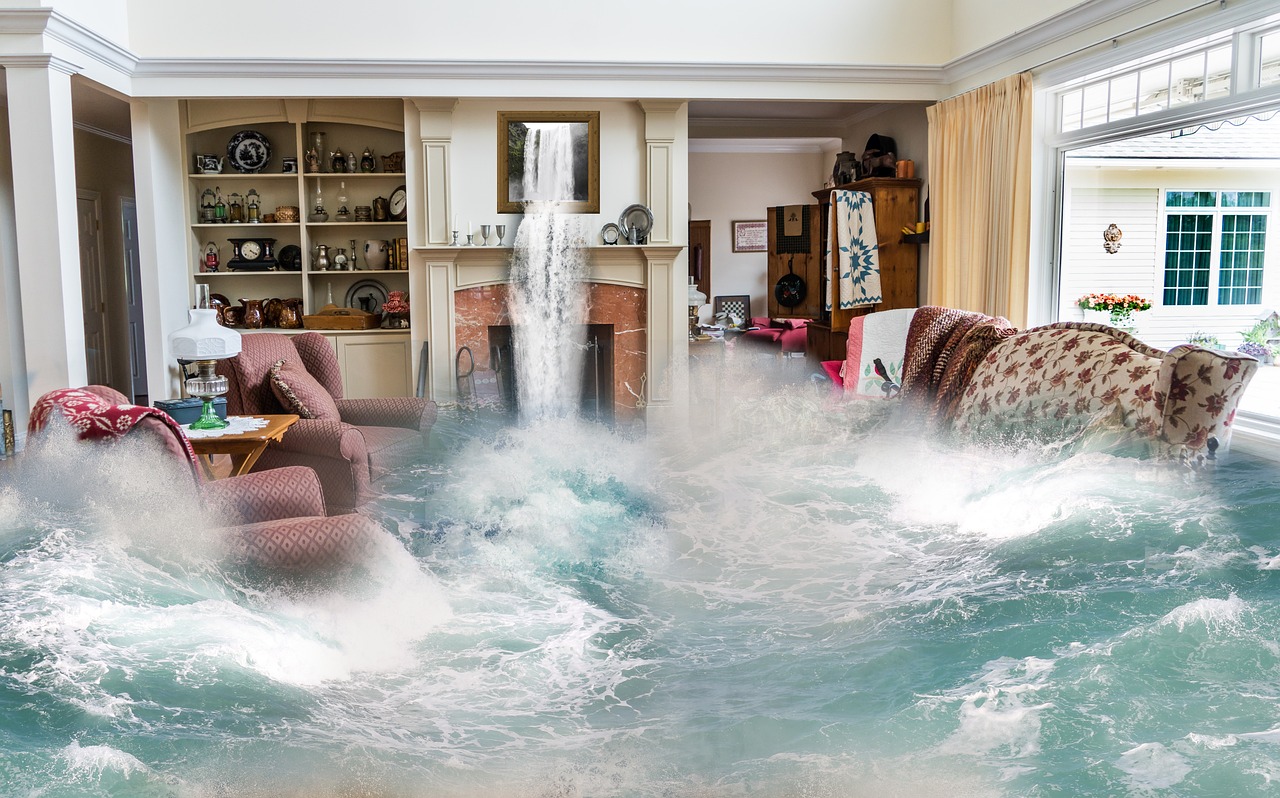
When your home suffers flood damage, the road to recovery is not just about repairing water-soaked walls and floors. It's about implementing long-term strategies that ensure your property not only looks and functions like new but also protects against future flooding events. This involves a multifaceted approach, from structural reinforcement to advanced mold removal techniques.
Take, for instance, the case of a homeowner in Dallas who experienced severe flooding from a nearby river surge. After the initial emergency, the local flood recovery experts recommended not only water extraction and dehumidification but also a comprehensive inspection for mold growth, which can pose significant health risks. They engaged professional mold removal services in Austin, a city with a high likelihood of seasonal flooding, to address this issue. This proactive step is important because according to a 2020 study by the U.S. Environmental Protection Agency, mold exposure can lead to respiratory issues, especially in children and the elderly.
A key component of the repair is understanding that it's not just about restoring the visible aspects of your home. The structural integrity, electrical systems, and plumbing must also be thoroughly inspected and repaired. This is where local disaster response teams like the Seattle Emergency Response Team or Providence Emergency Services come into play. They assess the damage, make necessary repairs, and ensure the safety and functionality of your property. After a major home flooding event in Houston, a team of expert water extraction specialists performed a full assessment, identified structural weaknesses, and implemented enhancements to prevent future water intrusion.
Beyond immediate repairs, the repair involves strategic planning for resilience. This might include elevating vulnerable areas of your home, such as the basement, or installing better flood barriers. In Austin, for instance, some homeowners have turned to Property Restoration of the Capital Region for advice on reinforcing their properties against future flooding. These measures not only protect against water damage but also can significantly reduce the cost of repairs and the emotional toll of future events. By adopting these long-term strategies, homeowners can turn a devastating experience into a resilient, safe home.
Frequently Asked Questions About home flooding repairs nearby
What should I do immediately after my home floods?
Within minutes, turn off the main power and water supply to prevent further damage. Document the damage with photos, noting the source and extent of the flood. Contact a reliable service like our 24/7 emergency response line for immediate assistance. The faster you act, the less extensive and costly the repairs will be.
How do I find a qualified contractor for home flooding repairs?
Check online reviews and local licensing boards for certified and insured contractors. Look for specialists in water damage restoration, who have the equipment and experience to handle mold removal, structural drying, and restoration work. Ask for references and ensure they have a proven track record, especially in similar situations.
What are the typical costs of home flooding repairs?
The average cost of home flooding repairs varies widely based on the severity of the damage. Minor repairs, like drywall replacement and painting, can range from $3,000 to $10,000. Extensive damage, involving structural repairs, mold remediation, and reconstruction, can cost $20,000 or more. Insurance coverage may offset these costs, but understanding deductibles and coverage limits is important.
Can I handle minor home flooding repairs myself?
While DIY enthusiasts may be inclined, minor repairs like drying out walls and replacing drywall might be manageable. However, deeper issues like mold removal, electrical work, and structural repairs require professional expertise. The risk of exacerbating the problem or endangering yourself outweighs potential cost savings.
What steps should I take to prevent future flooding?
Implementing preventive measures is key. Install and maintain water filters and pressure regulators on your plumbing system. Ensure downspouts direct water away from your home's foundation. Consider a sump pump or flood protection system, especially in areas prone to flash flooding or heavy rainfall. Regular maintenance and updates to your home's infrastructure can significantly reduce the risk.
How long does it typically take to dry out a home after a flood?
The drying process depends on various factors, including the size of the home, the source and extent of the water intrusion, and the humidity level. Typically, it can take 3-7 days for the structure to dry out, with an additional 2-4 weeks for personal belongings to completely dry and for mold to be eliminated through professional remediation.
What documentation should I keep after home flooding repairs?
Maintain detailed records of all communication with contractors, insurance companies, and any relevant professionals. Keep receipts for repairs, replacements, and materials. These documents are essential for insurance claims, tax deductions, and future reference if issues arise. A well-organized folder can prove invaluable during the recovery process.
effective the repair involves a multi-step, complete approach. By assessing key areas prone to water damage, utilizing natural solutions for efficient water extraction, and implementing long-term restoration strategies, homeowners can not only mitigate immediate harm but also enhance their homes' resilience. Professional services like those offered by local Neighborhood Specialists or Community Emergency Services can provide expert guidance tailored to regional needs, as seen with Portland 24/7 Water Extraction's swift response in Maine.
Practical next steps include regular maintenance to prevent future issues, such as sealing basement walls and improving drainage. Incorporating natural materials like coconut coir for soil absorption can also aid in water management. Community preparedness programs, modeled after Atlanta Commercial Flood Recovery's business continuity services, can empower residents to respond swiftly and effectively.
The ultimate goal is a solid, flood-resistant home. By combining natural solutions with professional expertise, homeowners can achieve lasting peace of mind, ensuring their properties are protected against the unpredictable nature of floods.
The repair Practical guide
In the repair, a thorough inspection is vital. Key areas include structural integrity, electrical systems, and indoor air quality. Check for water intrusion, electrical safety, mold signs, and structural components.
Natural, eco-friendly methods for water removal, like wet/dry vacuums, reduce disruption and chemical use. Using natural cleaning agents aligns with sustainability and health concerns.
Post-extraction, dehumidification prevents mold growth, which can cause respiratory issues and structural damage. Proactive measures, structural reinforcement, and advanced mold removal techniques ensure long-term protection.
Long-term the repair strategies involve elevating vulnerable areas, installing flood barriers, and strategic planning for resilience, significantly reducing future risks and costs.