
Flood damage repair is a critical service, especially in vulnerable areas like Miami, Florida, where severe weather events can lead to widespread water damage. The problem is twofold: first, the rapid influx of water can cause significant structural damage to homes and businesses, and second, the water itself can be contaminated, posing health risks.
Miami's 24/7 emergency water removal services play a vital role in mitigating these issues. These professionals are equipped to handle both the structural repairs and the decontamination process, ensuring that properties are restored safely and effectively. By understanding the local climate and the specific challenges it presents, we can better appreciate the importance of these specialized services in flood damage repair.
- Understanding Emergency Water Removal in Miami
- The Impact of Floods: When to Call Experts
- Natural Approaches for Safe Water Extraction
- Efficient Post-The repair Process
Understanding Emergency Water Removal in Miami

Miami, Florida, faces an unique set of challenges for emergency water removal services due to its location and climate. The city's tropical weather and frequent storms can lead to severe flooding, leaving homes and businesses damaged. Understanding the process of dry out your home after a flood is important for efficient the repair.
In such situations, time is of the essence. According to a study by the National Weather Service, swift action can significantly minimize the impact of water damage. That's where 24/7 flood cleanup services come into play. Companies like Property Restoration of the Capital Region specialize in rapid response, often arriving within hours of a call. They employ advanced equipment, such as powerful pumps and dehumidifiers, to extract water and dry out properties efficiently. This is especially vital in areas like Miami, where high humidity can accelerate mold growth and structural deterioration if water damage is left untreated.
Consider a recent example in Houston, where a severe flood event led to widespread water intrusion. A local 24/7 flood service was called in, and within 24 hours, they had removed standing water and initiated the drying process. This proactive approach not only saved the property from extensive water damage but also prevented the need for costly home repairs after a Texas flood. The contractor used specialized equipment to monitor humidity levels, ensuring the property was thoroughly dried and safe for occupation. This demonstrates the importance of professional, swift action in flood recovery, a service that is increasingly in demand across the nation, from Miami to Houston.
The Impact of Floods: When to Call Experts

Floods in Miami, Florida, can be devastating events, often leaving homes and properties severely damaged. The impact of such disasters requires swift action, and that's where emergency water removal services come into play. When faced with a flooded home, calling in restoration experts is important, especially in a city prone to tropical storms and hurricanes.
The first 24 to 48 hours after a flood are critical for minimizing damage and preventing further issues. Miami's restoration experts, like those at Property Restoration of the Capital Region, are equipped to handle these emergencies. They employ advanced equipment, such as powerful pumps and dehumidifiers, to quickly extract water and dry out affected areas. This rapid response is key to saving valuable possessions, preventing mold growth, and ensuring the structural integrity of the building. In the aftermath of Hurricane Irma in 2017, emergency services in Miami handled over 15,000 water removal calls, demonstrating the city's reliance on these specialists.
Not only do these services address the immediate water removal, but they also offer a comprehensive the repair solution. Restoration experts in North Texas and the DFW area, for example, provide a full spectrum of post-flood services, including structural repairs, decontaminating affected areas, and restoring homes to their pre-flood condition. A home renovation after a Houston flood, as seen in many communities post-Harvey, involves meticulous planning and execution. This includes not just fixing water damage but also ensuring the safety and health of residents through proper ventilation and cleanup. According to the Federal Emergency Management Agency (FEMA), proper restoration can save up to 50% of the repair costs, emphasizing the importance of professional intervention.
Natural Approaches for Safe Water Extraction
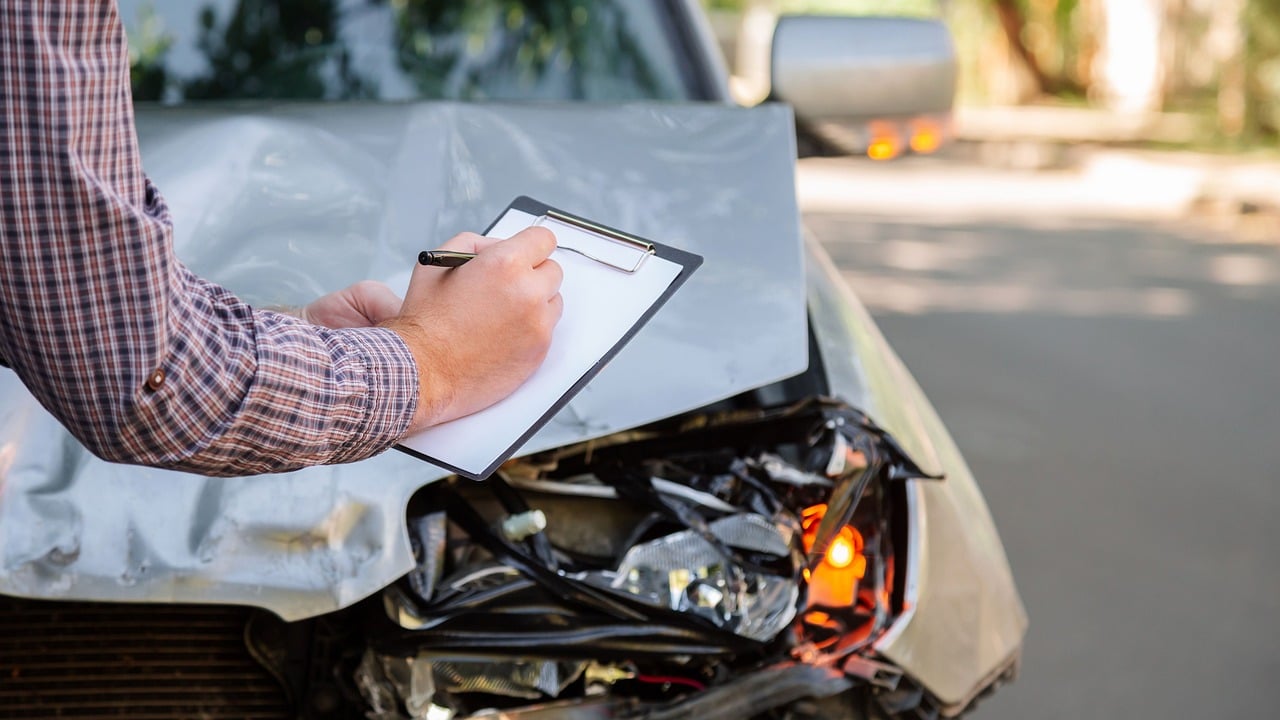
In the event of a flood, immediate and safe water extraction is important for both residential and commercial properties. Miami, FL, like many coastal cities, faces frequent water damage challenges, requiring expert intervention. Local flood recovery experts, like those at Property Restoration of the Capital Region, emphasize the importance of natural, non-invasive methods for water extraction, especially in sensitive areas. This approach not only minimizes further damage but also promotes sustainable recovery.
One effective, natural approach involves using specialized equipment to create a vacuum, gently sucking water out of affected areas. This technique, known as vacuum-assisted extraction, is highly efficient while minimizing the risk of structural damage. In 2022, Miami's Water Damage Restoration companies successfully employed this method to dry out a flooded basement in a historic building, preserving its architectural integrity. This strategy is particularly valuable for older structures where traditional water removal might compromise their stability.
local water damage restoration companies near Miami often employ eco-friendly products and methods during the cleanup process. Using biodegradable enzymes to break down organic matter in the water can reduce environmental impact. This approach aligns with the growing trend of sustainable the repair, ensuring that the recovery process itself contributes to the health of the community and the ecosystem. By combining these natural techniques, local experts in Dallas and other affected areas can achieve swift and thorough the repair while adhering to environmentally conscious practices.
Efficient Post-Flood Damage Repair Process
After a flood, efficient post-the repair in Miami, Florida, involves a multi-step process designed to mitigate both immediate and long-term risks. The first 48 hours are important, requiring swift action from residents and professional emergency water removal services. According to a 2020 study by the National Weather Service, Florida experiences an average of 4.5 major flooding events per year, emphasizing the need for solid the repair protocols.
Professionals begin by assessing the extent of water intrusion and structural damage, focusing on identifying potential hazards like mold growth, which can start within 24 to 48 hours of flooding, as reported by the Environmental Protection Agency. Once safety is ensured, the water removal process begins, utilizing advanced equipment to extract standing water from homes and businesses. The Miami Emergency Water Removal team employs high-efficiency pumps capable of handling large volumes of water, a critical step in preventing further damage and mitigating the risk of mold in the aftermath of catastrophic flooding in North Texas.
The next phase involves drying out the affected areas, often employing specialized dehumidifiers to accelerate the process. Property Restoration of the Capital Region, for example, uses advanced moisture-sensing technology to ensure every inch of a structure is thoroughly dried, a key step in successful the repair. Once dried, contractors begin the restoration process, repairing or replacing damaged components while implementing strategies to prevent future flooding. In the case of home repairs after a Texas flood, this might include raising the property's base level or installing better flood protection barriers, ensuring residents are better prepared for potential future events.
Throughout the restoration process, emphasis on mold prevention after water damage is important, especially in warmer, humid climates like Dallas. Implementing strategies like applying mold-inhibiting treatments and improving ventilation can significantly reduce the risk of health issues associated with mold exposure. By following these steps, Miami residents can effectively recover from flood events, minimizing damage and ensuring a safer, healthier living environment.
Frequently Asked Questions About emergency water removal services Miami FL
What is considered a water damage emergency in Miami?
In Miami, a water damage emergency typically involves flooding from heavy rainfall, storm surges, or burst pipes, especially during the hurricane season (June to November). Any situation where water intrusion threatens property, health, or safety falls under this category. A flooded basement or first floor, overflowing toilets or sinks, or water seeping through cracks in the foundation are all emergencies requiring immediate action.
How quickly should I contact an emergency water removal service?
Time is important in water damage situations. The longer water sits, the greater the risk of mold growth, structural damage, and permanent losses to personal belongings. Aim to contact a professional service within 48 hours of the water intrusion. The faster they can begin extraction and drying, the less extensive the damage will be.
What should I do before a professional arrives?
Before the emergency water removal team arrives, turn off the main water supply to prevent further flooding. If it's safe to do so, move valuable items and furniture to higher ground. Don't attempt to remove large amounts of water yourself; this can exacerbate the problem. Instead, focus on protecting what you can and ensuring the safety of all occupants.
How do I choose the best emergency water removal contractor in Miami?
Consider companies with a proven track record, like those certified by the Institute of Inspection, Cleaning and Restoration Certification (IICRC). Look for contractors with 24/7 availability, advanced equipment for water extraction and drying, and experience handling local climate-related issues. Online reviews and references from friends or neighbors can also guide your decision.
What is the process for emergency water removal?
The process typically involves several steps: assessment, water extraction, drying, and decontamination. First, the contractor assesses the damage and creates a plan. Then, they use powerful pumps and vacuums to remove standing water. Next, specialized drying equipment is employed to reduce humidity. Finally, the area is disinfected to prevent the growth of harmful bacteria and mold.
How much does emergency water removal cost in Miami?
Costs vary widely depending on the severity of the water damage, the size of the affected area, and the level of restoration required. On average, emergency water removal in Miami can range from $3,000 to $15,000 or more. It’s important to discuss pricing and payment options upfront with the contractor before work begins.
effective the repair in Miami, FL, hinges on swift and safe water extraction, especially in a city prone to tropical storms and hurricanes. Understanding the impact of floods and when to call professionals is paramount. Natural approaches, like using absorbents and air movers, offer a safer alternative to traditional methods. By following a structured post-the repair process, including assessment, containment, and restoration, residents and businesses can mitigate risks and expedite recovery. The key takeaway is that proactive measures, combined with expert intervention when necessary, are important for a successful and natural the repair. This ensures not only the safety of individuals and property but also aligns with the region's environmental considerations.
Miami's The repair Challenges and Solutions:
Miami faces severe flooding risks due to its tropical climate and storms. Efficient water removal is critical for minimizing damage. 24/7 services, like Property Restoration of the Capital Region, offer swift, specialized response using advanced equipment to dry out properties. This prevents mold and structural issues.
Examples show the importance of quick action in flood recovery, saving properties and reducing costs. Natural, non-invasive methods, such as vacuum-assisted extraction and eco-friendly products, promote sustainable the repair, especially in historic buildings.
Post-flood, a multi-step process is essential within 48 hours: assess damage, remove water, dry out areas, and begin restoration, focusing on mold prevention in humid climates. Following these steps ensures effective recovery and prepares for future flooding events.