





Atlanta residents face heightened flood damage risks due to increased rainfall. Rapid restoration by professional services like Property Restoration of the Capital Region minimizes long-term issues. Key steps include immediate safety assessments, 24–48-hour professional intervention for standing water extraction, meticulous cleaning, and natural odor elimination. Natural, eco-friendly methods focus on non-toxic water extraction, HEPA filter fans for cleaner air, essential oils for mold prevention, and moisture-resistant materials to enhance property resilience against future floods.
Commercial flood recovery in Atlanta GA is a critical aspect of maintaining a robust business environment. Rapidly rising waters can cause significant damage to commercial properties, disrupting operations and leading to substantial economic losses. Efficient flood damage repair, particularly for businesses, involves a multifaceted approach that goes beyond mere restoration. It entails strategic planning, specialized techniques like water extraction and drying, and meticulous restoration of assets and infrastructure to ensure minimal downtime and financial impact. By employing natural methods where applicable, Atlanta’s commercial flood recovery can be both effective and sustainable.
- Understanding Flood Damage in Atlanta: A Comprehensive Overview
- Immediate Steps After a Flood: Safety & Assessment
- Restoring Your Property: Efficient Flood Damage Repair Techniques
- Natural Approaches to Post-Flood Restoration: Eco-Friendly Tips
Understanding Flood Damage in Atlanta: A Comprehensive Overview

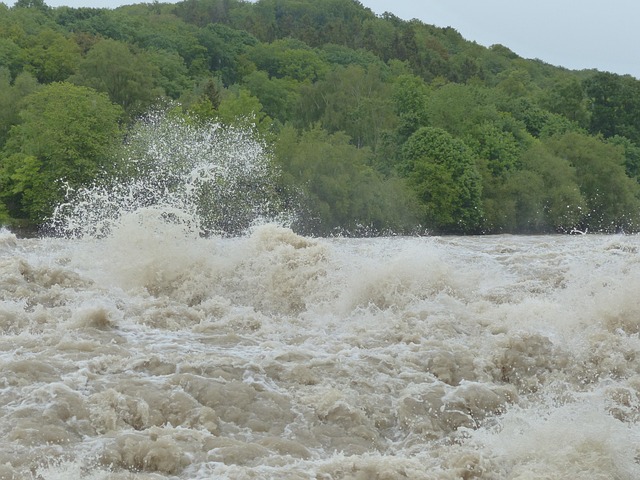
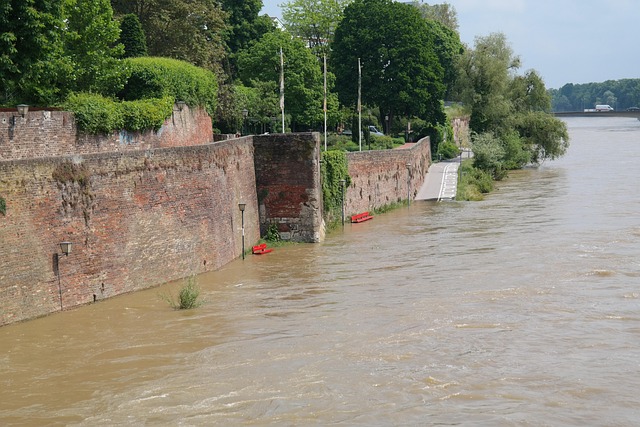
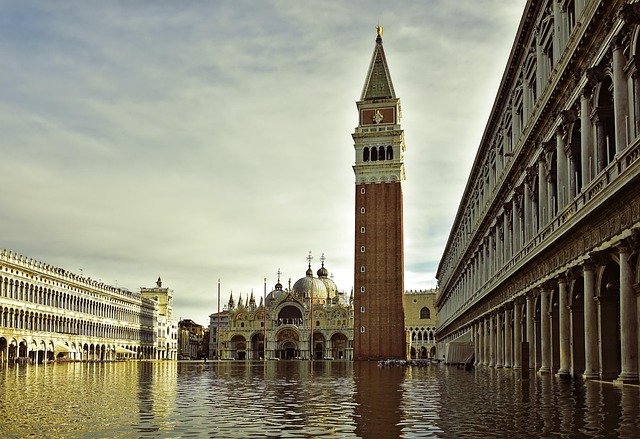
Flood damage is a significant challenge for Atlanta, GA, residents, often resulting from severe weather events that can leave homes and businesses severely impacted. Understanding the scope of flood damage is crucial for effective recovery. In addition to structural losses, water intrusion can cause extensive water damage repair needs, including compromised electrical systems, mold growth, and damaged belongings. According to recent data, Atlanta experiences an average of 15 days with measurable rainfall each year, significantly increasing the likelihood of flooding.
Fast flood damage restoration is vital for minimizing long-term consequences. In many cases, immediate action can prevent costly repairs down the line. Residents should prioritize contacting a reputable water damage restoration service near them, like Property Restoration of the Capital Region, for swift and effective intervention. These professionals bring specialized equipment to extract standing water and dry out affected areas quickly, reducing moisture levels crucial for preventing mold growth.
Beyond structural repairs, emergency flooding repair services often include content cleaning and deodorization to restore homes to their pre-flood condition. This involves safely removing damaged belongings, sanitizing surfaces, and using advanced techniques to eliminate persistent odors caused by water damage. For businesses, timely intervention is equally critical to limit downtime and financial losses. As a result of prompt action, many Atlanta businesses successfully reopen within days instead of weeks, thanks to professional flood damage repair services that understand the urgency of these situations.
Immediate Steps After a Flood: Safety & Assessment

After a flood, immediate action is crucial for both safety and minimizing damage to your property. The first 24–48 hours are critical in the flood damage repair process. Start by ensuring everyone’s safety—evacuate if necessary and avoid contaminated water or items. Contact local emergency flooding assistance like Dallas’s trusted professionals for guidance and support.
Next, assess the extent of the damage. Document every affected area with photos to help in insurance claims and future reference. Remember that floodwater can carry contaminants, posing health risks. Wear protective gear when inspecting your home. Look for signs of structural damage, water intrusion, or electrical hazards. This initial assessment guides the next steps, including getting your home back to normal after a flood.
Once safety is secured and the immediate shock passes, it’s time to call in local flood cleanup professionals like those in San Antonio. They bring specialized equipment and expertise for efficient water removal and drying, crucial in preventing mold growth and further damage. Consider engaging Property Restoration of the Capital Region for comprehensive flood damage repair services tailored to your needs. These professionals can also provide emergency flooding assistance, ensuring a smoother transition back to normalcy.
Data shows that rapid action within 48 hours significantly improves recovery outcomes and reduces costs associated with prolonged water damage. Therefore, don’t delay in reaching out for help. With the right support, you can restore your home and get back on track, learning valuable lessons from this challenging experience.
Restoring Your Property: Efficient Flood Damage Repair Techniques
Restoring your property after a flood is a critical process that requires professional expertise to ensure thorough flood damage repair and prevent long-term issues such as mold growth. In Atlanta, GA, where flooding events have become increasingly frequent, efficient flood damage repair techniques are essential for homeowners and businesses alike. Property Restoration of the Capital Region specializes in navigating these challenges, offering state-of-the-art solutions that prioritize both the structural integrity of your property and your peace of mind.
The initial step in effective flood damage repair involves assessing the extent of water intrusion and its impact on various materials. Unlike some who advocate for natural drying processes, experts recommend a systematic approach to drying out after a Houston flood or Dallas water damage event. This includes using advanced equipment like dehumidifiers and air movers to expedite the drying process and prevent mold prevention after water damage from taking hold. Water damage repair specialists in Houston understand that quick action is key; according to industry studies, if left unattended for even 24-48 hours, water can cause significant structural damage and foster the growth of harmful fungi.
Once the property is thoroughly dried, the focus shifts to meticulous cleaning and sanitization. This involves removing damaged materials—like drywall or carpeting—that cannot be salvaged and replacing them with new, moisture-resistant alternatives. The goal is not just to restore the property but to enhance its resilience against future flooding events. For instance, Property Restoration of the Capital Region often recommends using flood-resistant finishes on walls and floors, as well as installing improved drainage systems around the exterior of buildings. By adopting these strategies, homeowners can significantly reduce the impact of future floods, ensuring that their properties are better equipped to withstand such challenges naturally.
Natural Approaches to Post-Flood Restoration: Eco-Friendly Tips

In the aftermath of a flood, many Atlanta property owners seek sustainable and environmentally conscious options for flood damage repair. Natural approaches to post-flood restoration are not only beneficial for the local ecosystem but also offer long-lasting solutions for property recovery. By prioritizing eco-friendly practices, residents can effectively mitigate water damage and ensure their homes return to optimal condition without causing further environmental harm.
One of the primary steps in any flood recovery process is water extraction and drying. Traditional methods often rely on heavy chemicals and machinery that can leave behind residual contaminants. Instead, consider employing natural absorbers like baking soda and silica gel for water removal. These substances are not only non-toxic but also highly effective at drawing moisture out of affected areas. For example, Property Restoration of the Capital Region has successfully utilized these methods in numerous cases across Atlanta, demonstrating their practicality and efficiency. Moreover, using fans with HEPA filters can aid in drying processes while trapping any remaining airborne contaminants, ensuring cleaner air for occupants upon return.
Water damage restoration near me open late should not only focus on immediate removal but also prioritize long-term protection. Natural remedies like essential oils and citrus extracts have antimicrobial properties, making them powerful alternatives to synthetic disinfectants. These natural agents can be used in cleaning solutions to prevent mold growth and bacteria proliferation, a common issue after flood events. Additionally, using eco-friendly, non-toxic insulation materials during reconstruction ensures that the restored property is safe for residents while minimizing environmental impact. This holistic approach not only facilitates faster healing for affected homes but also contributes positively to Atlanta’s local ecosystem.
By encompassing a comprehensive understanding of flood damage in Atlanta, immediate safety protocols post-flood, efficient property restoration techniques, and eco-friendly practices, this article equips readers with valuable tools for navigating commercial flood recovery. Key insights include prioritizing safety during initial assessments, employing effective water extraction methods to mitigate mold growth, adopting natural cleaning solutions for safer and healthier environments, and considering long-term restoration strategies that align with sustainable practices, such as flood damage repair naturally. With these practical takeaways in hand, businesses can confidently navigate the complexities of flood recovery, ensuring both operational continuity and environmental stewardship.